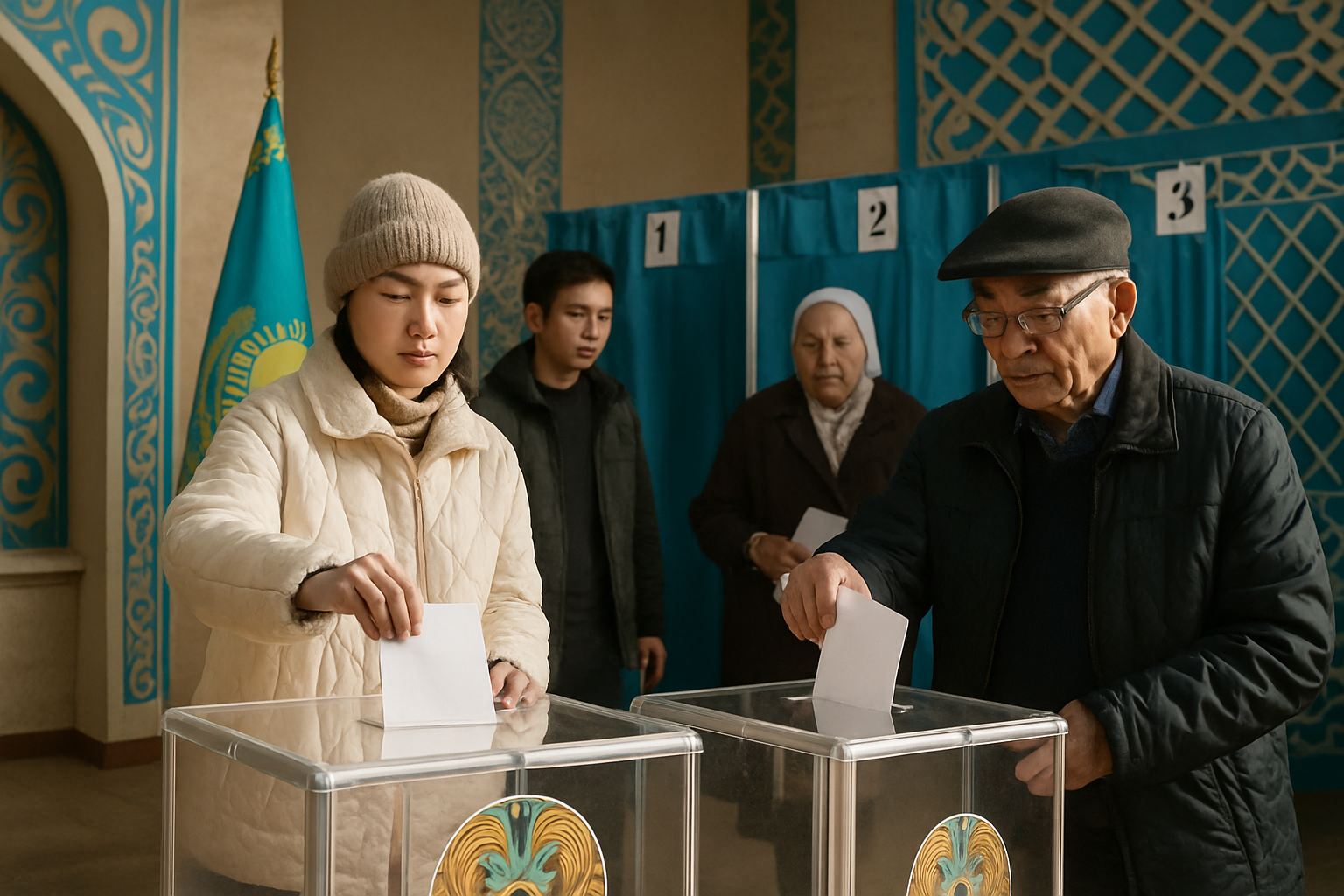
Kazakhstan has decisively adopted a new constitution following a national referendum on March 15, with 87.15% of participating voters supporting the sweeping constitutional amendments in what represents the most significant governance framework overhaul since independence in 1991.
The Central Referendum Commission confirmed that 9,127,192 citizens cast ballots from 12,482,613 eligible voters, achieving a robust turnout of 73.12% across the nation's vast territory. Of those who voted, 7,954,667 citizens endorsed the constitutional changes, while 1,172,525 voted against the proposals.
Unprecedented Democratic Participation
The referendum was conducted across 10,388 polling stations nationwide, demonstrating Kazakhstan's sophisticated administrative capacity to coordinate democratic processes across multiple time zones. The scale of the operation required extensive planning and coordination, with voting beginning at 7:00 AM local time across the country's diverse regions.
International participation added a global dimension to the exercise, with Kazakhstan citizens abroad casting ballots at 71 polling stations in 54 countries through diplomatic missions. This overseas voting component saw 9,050 citizens participate, spanning time differences from early morning in Astana to evening hours in San Francisco, completing a truly worldwide democratic process.
"This referendum represents direct citizen participation in constitutional development rather than a legislative amendment approach."
— Central Referendum Commission
Constitutional Changes Approved
The approved amendments introduce substantial reforms to Kazakhstan's governance structure. Key changes include enhanced presidential appointment powers, the creation of a vice-presidential position for succession planning, and provisions that could enable potential mandate extensions beyond the current 2029 expiration date.
These modifications represent the most comprehensive constitutional overhaul since Kazakhstan's independence, centralizing executive authority through direct citizen approval rather than legislative processes. The reforms establish new succession planning mechanisms unprecedented in Central Asian governance structures.
International Recognition and Oversight
The referendum drew significant international attention and oversight. A total of 359 observers from 11 international organizations and 38 countries provided comprehensive monitoring of the democratic process. Foreign observers reported increased first-time voter participation and broader civil society engagement throughout the campaign period.
The Prosecutor General's office confirmed that voting proceeded "within the legal field," ensuring democratic transparency and constitutional compliance. International observers praised the peaceful conduct of the referendum, noting the absence of significant violations that might have affected the outcome.
Regional and Historical Significance
The referendum positions Kazakhstan as a Central Asian model for transparent constitutional reform through inclusive democratic processes. The success occurs within a broader global context of democratic participation, joining similar constitutional exercises in Thailand, Switzerland, and Bangladesh during 2026.
Political analysts noted that the overwhelming approval rates—exceeding typical referendum thresholds—reflect genuine popular support rather than merely procedural compliance. This establishes a template for constitutional modernization that balances authority expansion with accountability through transparent popular participation.
Domestic and Regional Implications
The constitutional changes are expected to enhance government accountability, improve policy coordination, and strengthen the rule of law while expanding parliamentary powers with enhanced oversight capabilities. Judicial independence receives particular attention through provisions designed to insulate courts from political pressure.
Kazakhstan's balanced approach to constitutional reform emphasizes gradual institutional change rather than revolutionary transformation, attracting international praise and potentially influencing similar democratic consolidation processes across Central Asia.
Implementation Challenges and Opportunities
The new constitutional framework will determine governance structures for decades to come. Implementation challenges include government coordination, civil servant training, and maintaining public confidence during the transition period.
However, opportunities abound for enhanced institutional capacity, improved rule of law implementation, and strengthened democratic participation. The constitutional provisions enhance civil society's role in governance through expanded consultation mechanisms and improved government information access.
International cooperation programs, including technical assistance initiatives and knowledge-sharing arrangements, are expected to support the implementation process while respecting Kazakhstan's sovereignty.
Looking Forward
The referendum's success reinforces Kazakhstan's democratic credentials during a period of global democratic challenges. It provides a positive example of constitutional reform through inclusive processes that respect legal continuity and popular sovereignty, potentially serving as a template for broader Central Asian democratic development.
As President Kassym-Jomart Tokayev announced that March 15 will become an annual Constitution Day, the referendum represents not just a political milestone but a cornerstone for Kazakhstan's continued institutional modernization and democratic development in the 21st century.
The overwhelming popular mandate provides robust legitimacy for the governance reforms while demonstrating that democratic processes can successfully address constitutional questions through transparent, participatory mechanisms that respect both institutional continuity and popular will.