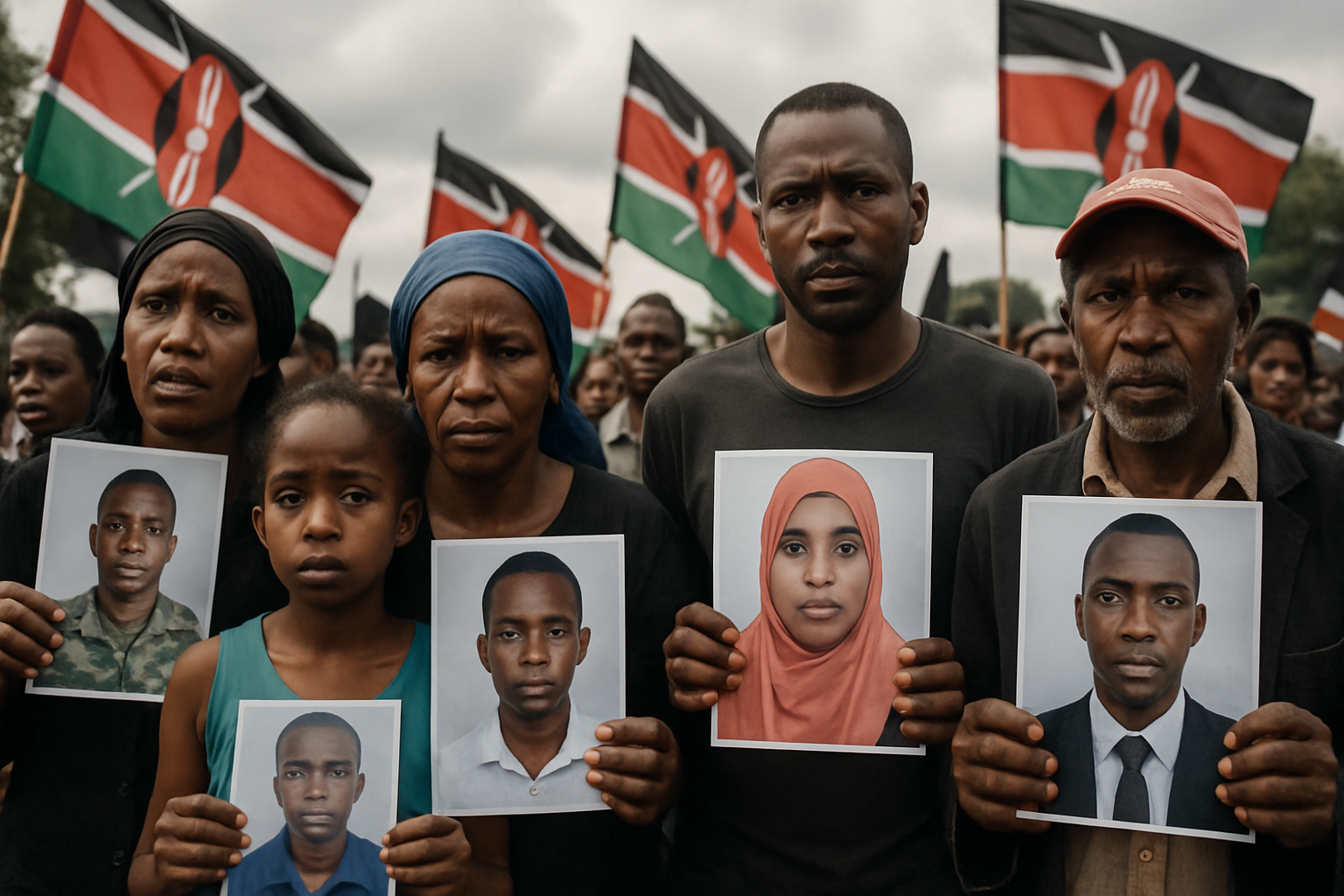
Over 1,000 Kenyan citizens have been recruited to fight for Russia in the Ukraine war through an elaborate network involving rogue government officials and human trafficking syndicates, according to a damning intelligence report presented to Kenya's parliament this week. Families of the recruited men are now demanding their government take urgent action to secure their loved ones' return.
The explosive findings, detailed in a report submitted by Kenya's National Intelligence Service (NIS) on Wednesday, reveal the scope of what officials describe as a "deeply disturbing" recruitment operation that has lured Kenyan nationals into active combat zones under false pretenses.
Scale of the Recruitment Network
According to the parliamentary briefing delivered by Majority Leader Kimani Ichung'wah, the intelligence report documents a systematic recruitment campaign that has ensnared significantly more Kenyans than previously estimated. The Kenyan government had earlier suggested that approximately 200 of its nationals had been recruited to fight for Russia, but the new intelligence assessment paints a far more extensive picture.
The report indicates that 89 Kenyans were confirmed to be on the front lines of the Russia-Ukraine conflict as of February this year, with at least one Kenyan soldier confirmed dead and several others having returned home bearing physical injuries and psychological trauma from their service.
"This represents a network of rogue state officials allegedly colluding with human trafficking syndicates," Ichung'wah told parliamentarians during the Wednesday briefing. The revelation has sparked outrage among Kenyan families who say their relatives were deceived about the true nature of their deployment.
Families Rally for Government Action
The families of 35 identified Kenyans who were lured into fighting for the Russian army gathered on Thursday to demand immediate government intervention. Their desperate pleas highlight the human cost of what appears to be a coordinated international recruitment scheme targeting vulnerable populations in Kenya.
Family members describe their loved ones as having been promised legitimate employment opportunities abroad, only to find themselves conscripted into active military service in one of Europe's deadliest conflicts since World War II. Many families report losing all contact with their relatives after they left Kenya.
"Our sons were deceived," said one family representative during Thursday's rally. "They thought they were going for legitimate work, not to fight in a foreign war."
Government Response and International Implications
The Kenyan government has previously indicated its intention to pressure Moscow to halt the conscription of Kenyan soldiers. However, the scale revealed in the new intelligence report suggests the challenge is far more complex than initially understood.
The recruitment network's alleged involvement of rogue government officials raises serious questions about oversight and accountability within Kenya's administrative systems. The NIS report's findings suggest that the trafficking operation may have benefited from insider knowledge and official facilitation.
"This is a deeply disturbing network of rogue state officials allegedly colluding with human trafficking syndicates."
— Kimani Ichung'wah, Parliament Majority Leader
Broader Context of Foreign Fighter Recruitment
The Kenyan recruitment scandal emerges amid growing international concern about the use of foreign fighters in the Russia-Ukraine conflict. Previous reports have documented similar recruitment operations targeting nationals from various African countries, suggesting a broader pattern of military recruitment across the continent.
The practice raises significant legal and ethical questions under international humanitarian law, particularly regarding the recruitment of individuals who may not have fully understood the nature of their deployment or the risks they would face.
Challenges in Securing Returns
The effort to secure the return of recruited Kenyans faces multiple obstacles. Many of the individuals are believed to be serving in active combat zones where communication and extraction are extremely difficult. Additionally, the complex legal status of foreign fighters in the conflict zone complicates diplomatic efforts.
Kenya's limited diplomatic leverage with Russia further constrains the government's ability to secure immediate returns. The broader context of international sanctions and diplomatic isolation of Russia over the Ukraine conflict makes direct negotiations particularly challenging.
Human Trafficking Concerns
The intelligence report's characterization of the recruitment network as involving human trafficking syndicates raises the stakes considerably. If confirmed, this would represent not just military recruitment but potentially serious criminal violations of international anti-trafficking laws.
Human rights organizations have increasingly raised concerns about recruitment practices that involve deception, coercion, or exploitation of vulnerable populations. The Kenyan case appears to fit several indicators of trafficking, including false promises about the nature of work and destination conditions.
Regional Security Implications
The revelation of extensive Kenyan involvement in the Russia-Ukraine conflict has broader implications for regional security and governance in East Africa. The apparent ease with which the recruitment network operated suggests potential vulnerabilities in Kenya's security systems that could be exploited for other purposes.
The involvement of government officials in facilitating the recruitment also raises questions about corruption and accountability that extend beyond this specific case. Such networks, once established, can potentially be repurposed for other illicit activities.
International Legal Questions
The recruitment of Kenyan nationals to fight in a foreign conflict raises complex questions under both Kenyan and international law. Kenya's constitution and legal framework may prohibit citizens from participating in foreign military conflicts without official authorization.
Additionally, the use of deceptive recruitment practices could constitute violations of international treaties on human trafficking and forced labor. The involvement of government officials in facilitating such recruitment could potentially constitute criminal conspiracy.
Calls for Accountability
Beyond the immediate focus on securing the return of recruited individuals, families and human rights advocates are demanding accountability for those responsible for organizing and facilitating the recruitment network. The parliamentary report's identification of "rogue state officials" as participants suggests potential criminal liability at multiple levels.
The case is likely to prompt broader scrutiny of Kenya's oversight systems and internal controls designed to prevent such trafficking operations. Reform advocates argue that the scale of the recruitment suggests systemic failures that require comprehensive response.
Ongoing Diplomatic Efforts
Despite the challenges, Kenyan officials continue to pursue diplomatic channels to secure the return of their nationals. The government has indicated it is working through various international partners and organizations to establish contact with recruited individuals and negotiate their safe return.
However, the ongoing nature of the conflict and the apparent integration of foreign fighters into Russian military units complicates these efforts. Success may depend on broader diplomatic developments in the Ukraine conflict and international pressure on Russia to respect the rights of foreign nationals in its service.
As families continue their vigil for news of their loved ones, the Kenyan recruitment scandal serves as a stark reminder of the global reach of the Ukraine conflict and the human costs borne by vulnerable populations far from the traditional battlefields of war.