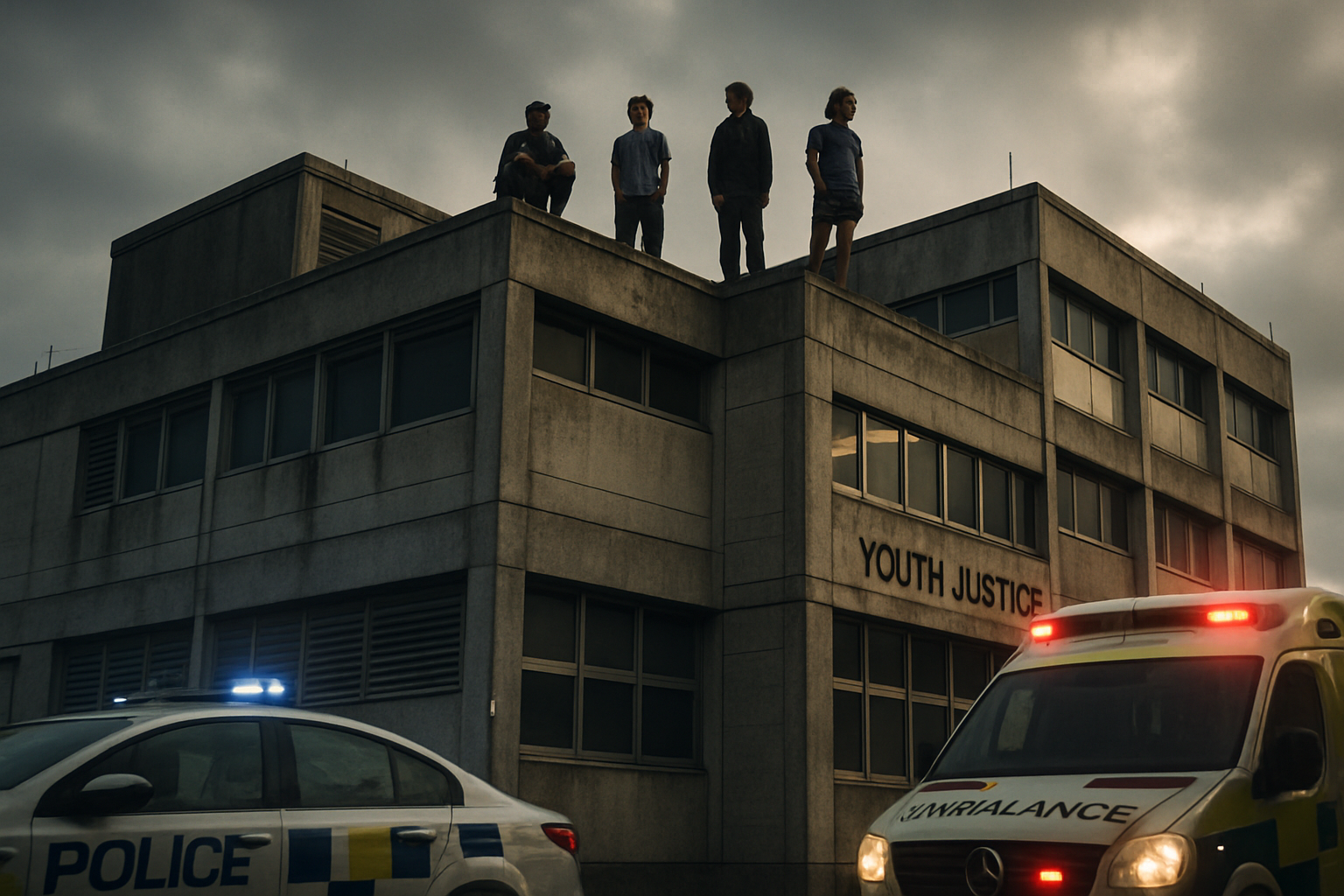
A group of young people have once again climbed onto the roof of the Korowai Manaaki Youth Justice facility in Wiri, Auckland, marking the second such incident in just a few months and highlighting persistent systemic issues within New Zealand's youth detention system.
Police confirmed their assistance to Oranga Tamariki on Thursday, April 10, 2026, after youth climbed onto the roof of the facility. The incident comes as New Zealand grapples with broader challenges across its criminal justice system and youth welfare services, raising serious questions about the effectiveness of current rehabilitation and detention practices.
A Pattern of Institutional Crisis
The Korowai Manaaki facility, operated by Oranga Tamariki, has experienced recurring problems that reflect deeper structural issues within New Zealand's approach to youth justice. This latest rooftop incident follows a similar occurrence in recent months, suggesting that underlying problems at the facility remain unresolved.
The facility serves as a secure residence for young people who have committed serious offenses or who pose a significant risk to public safety. However, these repeated incidents indicate that current containment and rehabilitation approaches may be failing both the young people housed there and the broader community they are meant to serve.
Youth Justice in Crisis
New Zealand's youth justice system has been under intense scrutiny throughout 2026, as part of a broader crisis affecting child welfare and juvenile services nationwide. Recent data reveals alarming trends that suggest systemic failures across multiple levels of youth support and intervention services.
The latest statistics show that one in seven New Zealand children are living in material hardship, with an additional 47,500 children experiencing material deprivation since 2022 – enough to fill Eden Park stadium. This escalation in child poverty creates the conditions that often lead young people into contact with the justice system.
"Children only get one chance at childhood – and action to reduce child poverty is needed now."
— Children's Commissioner warning about escalating hardship
The intersection of poverty, inadequate support services, and ineffective detention facilities creates a perfect storm that perpetuates cycles of disadvantage and criminality among New Zealand's most vulnerable youth.
Broader Context of System Strain
The incidents at Korowai Manaaki occur within a context of unprecedented pressure on New Zealand's social services and justice systems. Throughout 2026, multiple institutions have faced crises that expose fundamental weaknesses in how the country supports its most vulnerable populations.
Educational institutions have also struggled with safety concerns, including the recent violent incident at Tuakau College where a teacher was stabbed by a student, highlighting how violence and behavioral problems extend across youth-serving institutions. Research shows that 96% of children aged 10-15 use social media, with 70% experiencing harmful content exposure and over 50% encountering cyberbullying, contributing to deteriorating mental health and behavioral outcomes.
Global Youth Mental Health Emergency
New Zealand's youth justice challenges reflect broader international patterns. A groundbreaking survey revealed that 50% of young people aged 15-24 report anxiety or depression, with 57% believing the world is on a downward trajectory – representing what experts describe as a "crisis of confidence among young Kiwis."
This mental health emergency intersects directly with youth justice issues, as young people struggling with untreated psychological problems are more likely to engage in risky or criminal behavior. The failure to adequately address mental health needs often results in criminalization rather than appropriate therapeutic intervention.
Institutional Responses and Reform Needs
The recurring problems at Korowai Manaaki highlight the urgent need for comprehensive reform of New Zealand's youth justice approach. Current models that prioritize containment over rehabilitation have proven inadequate for addressing the complex needs of young offenders.
Successful international models emphasize prevention-first approaches that address root causes of youth offending, including poverty, trauma, mental health issues, and lack of educational and employment opportunities. Countries implementing comprehensive early intervention programs report superior outcomes compared to traditional detention-focused approaches.
Prevention Over Incarceration
Evidence from other jurisdictions demonstrates that prevention-focused strategies offer superior cost-effectiveness while achieving better outcomes for both young people and communities. Montana's mobile crisis teams achieved an 80% reduction in police mental health calls through prevention programs, while Finland has successfully balanced educational achievement with psychological wellbeing in youth services.
These models suggest that New Zealand's approach needs fundamental restructuring to prioritize early intervention, community-based support, and therapeutic responses over institutional detention for all but the most serious cases.
Economic and Social Implications
The ongoing crisis at facilities like Korowai Manaaki carries significant economic and social costs. Failed youth justice interventions lead to higher rates of adult criminality, increased incarceration costs, and reduced economic productivity as young people fail to develop into contributing members of society.
Childhood material hardship and ineffective justice responses create long-term healthcare, educational, and social welfare expenses while reducing future tax revenue and economic participation. Economic analysis suggests that comprehensive poverty reduction and early intervention investments generate positive returns through decreased crisis costs and improved long-term outcomes.
Breaking Cycles of Disadvantage
The rooftop incidents at Korowai Manaaki symbolize young people's desperation to escape systems that are failing to meet their needs. Rather than providing pathways to rehabilitation and reintegration, current approaches often reinforce patterns of institutional failure and social exclusion.
Breaking these cycles requires coordinated action across government departments, community organizations, and civil society. Success demands comprehensive approaches addressing multiple risk factors simultaneously: adequate family income, affordable housing, quality healthcare, educational opportunities, and community support networks that strengthen family resilience against economic shocks.
Looking Forward: The Need for Transformation
The repeated incidents at Korowai Manaaki serve as a stark reminder that New Zealand's current approach to youth justice is fundamentally inadequate. The facility's problems reflect broader systemic failures that require urgent, comprehensive reform.
Effective transformation will require sustained political commitment beyond electoral cycles, adequate funding for prevention and early intervention programs, comprehensive stakeholder engagement, and a fundamental shift from punishment-focused to rehabilitation and community-reintegration models.
The stakes extend far beyond the immediate crisis at one facility. New Zealand's response to these challenges will determine whether the country can build a youth justice system that actually serves its intended purposes: protecting public safety while providing young offenders with genuine opportunities for rehabilitation and positive life outcomes.
As the Children's Commissioner warned, children only get one chance at childhood. The repeated crises at Korowai Manaaki demonstrate that New Zealand's current approach is failing to protect that chance for some of its most vulnerable young people. The time for fundamental reform is long overdue.