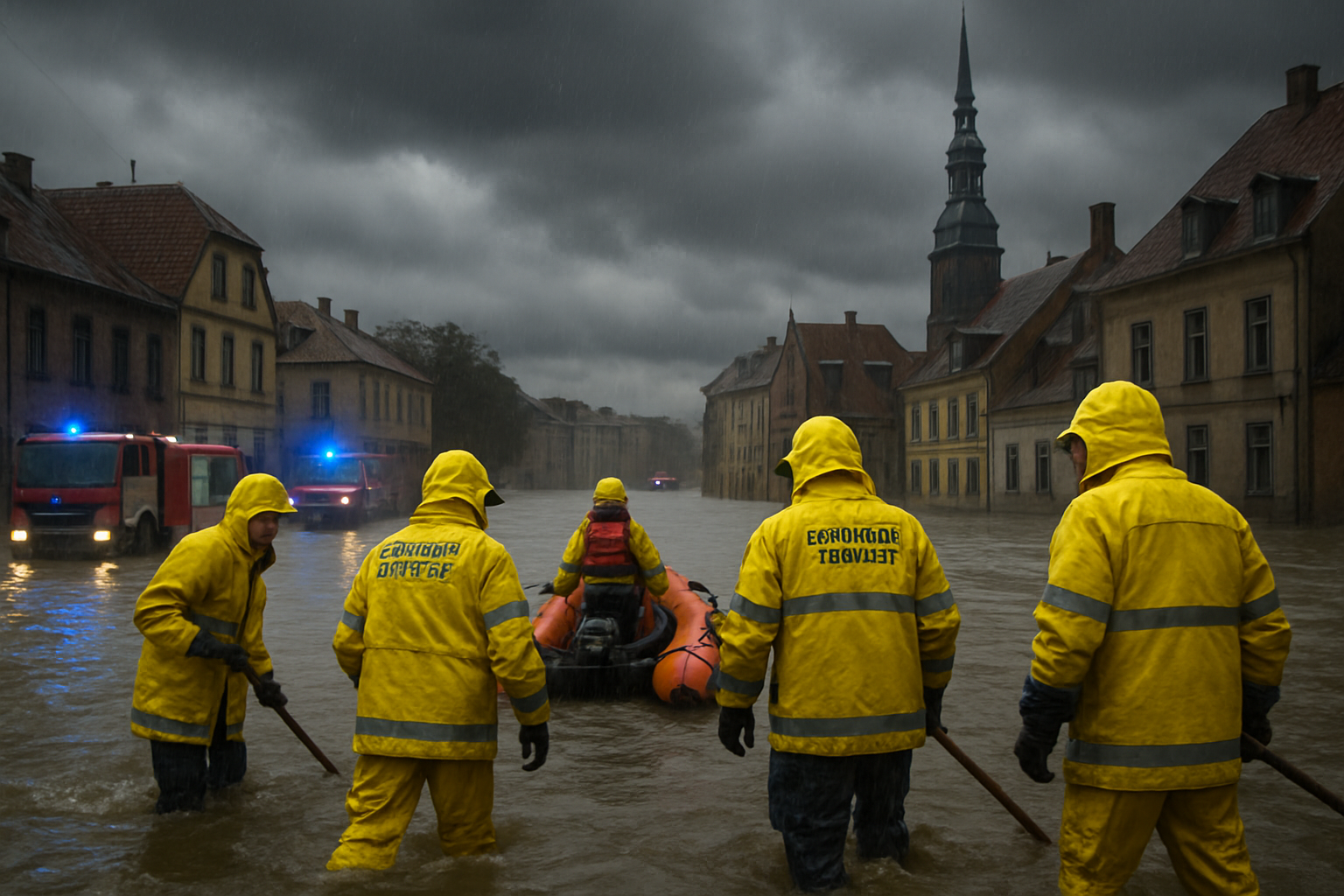
Latvia is confronting a dual emergency as flood risks across the country prompt urgent civil defense meetings while the search for a missing person ends in tragedy with the discovery of Arvils Vicinskis' body.
The State Fire and Rescue Service (VUGD), working in collaboration with the Ministry of Climate and Energy, has called for emergency civil defense commission meetings across all Latvian municipalities due to heightened flood and thaw risks threatening communities nationwide. The unprecedented coordination reflects the severity of weather conditions that have placed the entire Baltic nation on high alert.
Emergency Response Mobilization
VUGD officials informed the LETA news agency that the decision to convene municipal civil defense commissions represents one of the most comprehensive emergency preparedness measures undertaken in recent memory. The coordinated response involves local authorities across Latvia's 119 municipalities, each tasked with assessing flood vulnerabilities and implementing protective measures for their communities.
The emergency meetings come as meteorological conditions have created what experts describe as a "perfect storm" of flood-inducing factors. Rapid temperature fluctuations, saturated ground conditions, and accumulated snow and ice have combined to create dangerous runoff scenarios that could overwhelm Latvia's drainage infrastructure and river systems.
Tragic Discovery Ends Search
Amidst the flood preparations, Latvia's law enforcement community received devastating news regarding a separate emergency. The Zemgales Regional Police Department's Rietumzemgales precinct confirmed that Arvils Vicinskis, who had been missing and subject to an active search operation, was found deceased.
State Police announced the discovery through social media channels, confirming that Vicinskis was found "without signs of life." The circumstances surrounding his disappearance and death remain under investigation, with authorities withholding additional details pending the completion of forensic procedures and notification of family members.
Climate Context and Regional Vulnerability
Latvia's current emergency situation occurs within a broader pattern of extreme weather events that have challenged the Baltic region throughout 2026. The country's flat topography and extensive river network make it particularly vulnerable to flooding during periods of rapid snowmelt and heavy precipitation.
The comprehensive civil defense response reflects lessons learned from previous flooding events that have historically caught communities unprepared. Emergency management officials emphasize that proactive coordination between national and local authorities is essential for protecting lives and property when natural disasters strike.
Municipal Response Coordination
Local authorities across Latvia are now working around the clock to assess their preparedness for potential flooding scenarios. The civil defense commission meetings involve representatives from emergency services, municipal engineering departments, social services, and healthcare facilities to ensure comprehensive response capability.
Key priorities include identifying vulnerable populations who may require evacuation assistance, ensuring emergency shelter capacity, securing critical infrastructure, and establishing communication protocols for coordinating with national emergency services. Many municipalities are also reviewing their emergency supply inventories and testing warning systems to ensure rapid public notification capabilities.
Infrastructure Challenges
Latvia's aging infrastructure faces significant challenges when confronting extreme weather events. Many drainage systems, flood barriers, and emergency response facilities were designed for historical weather patterns that may no longer adequately represent current climate realities.
The coordinated emergency response provides an opportunity for municipalities to identify infrastructure vulnerabilities and develop enhancement strategies. This includes assessing the capacity of storm water management systems, reviewing evacuation routes, and ensuring backup power systems for critical facilities during extended emergencies.
Community Preparedness Emphasis
Emergency management officials are emphasizing the critical role of community preparedness in flood response. Citizens are being advised to monitor official weather warnings, prepare emergency supply kits, and familiarize themselves with evacuation procedures specific to their locations.
The tragic loss of Arvils Vicinskis serves as a somber reminder of the real human costs associated with emergency situations. While the specific circumstances of his case remain under investigation, it underscores the importance of maintaining robust search and rescue capabilities alongside flood preparedness efforts.
Looking Forward
As Latvia continues to monitor flood risks and coordinate emergency preparedness measures, the current situation highlights the growing importance of adaptive emergency management strategies. The comprehensive municipal response demonstrates the country's commitment to protecting its citizens through proactive rather than reactive approaches to natural disaster preparedness.
The convergence of flood warnings and the tragic discovery of Arvils Vicinskis represents the complex challenges facing emergency services as they work to protect communities while responding to ongoing crises. The coordinated civil defense response will likely serve as a model for future emergency preparedness efforts as Latvia continues to adapt to changing environmental conditions.
Emergency officials emphasize that public cooperation and awareness remain essential components of effective disaster response, encouraging citizens to stay informed through official channels and to take appropriate precautions to protect themselves and their families during this period of heightened risk.