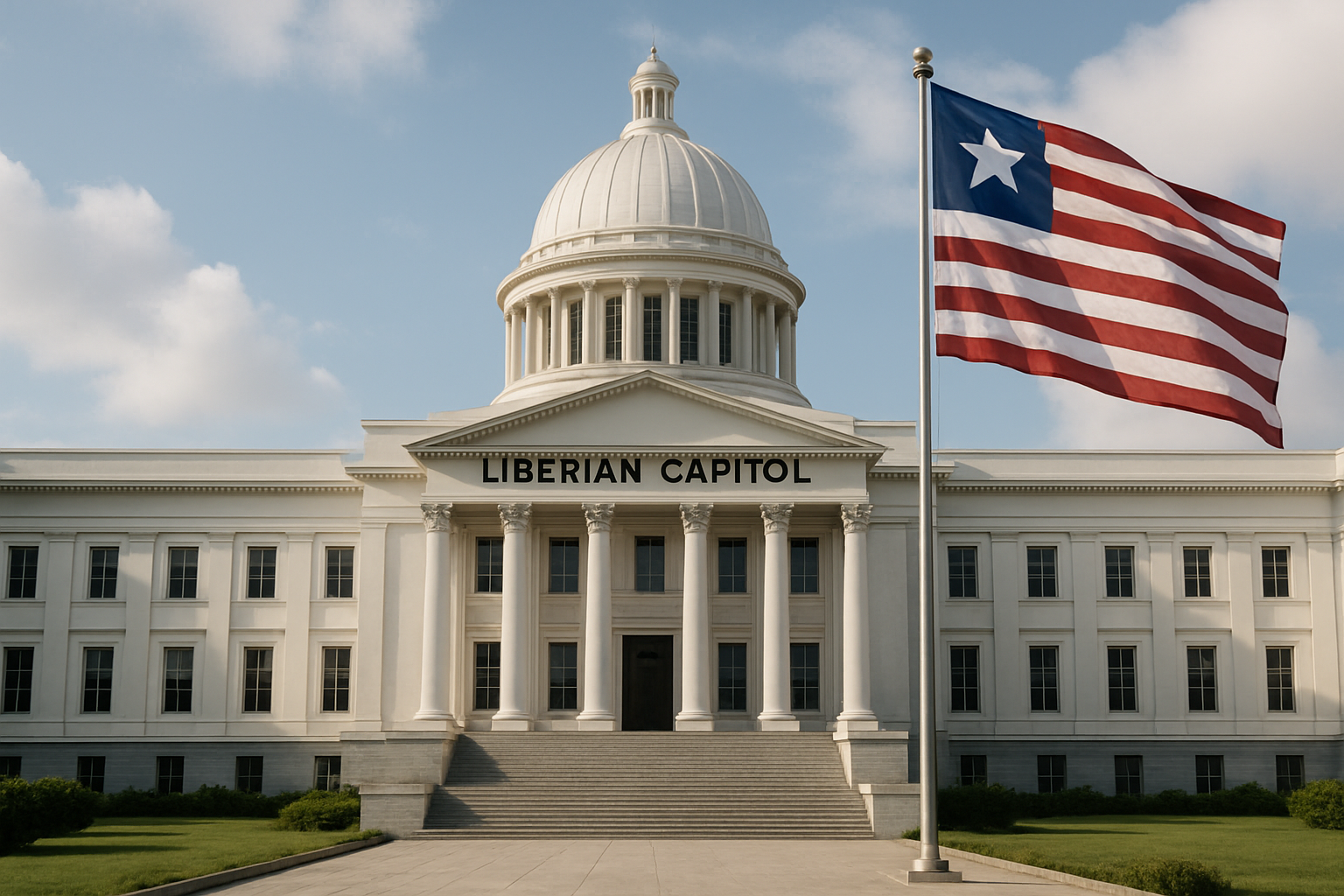
Liberia faces a pivotal moment in its democratic evolution as President Joseph Nyuma Boakai formally accepted the resignation of National Elections Commission (NEC) Chairperson Davidetta Browne Lansanah while parliament unanimously passed groundbreaking legislation prohibiting government officials from serving on public institution boards.
The dual developments mark a significant transformation in West African governance, addressing long-standing concerns about electoral integrity and institutional conflicts of interest that have plagued the region's democratic institutions. The timing of these events creates both opportunities and challenges for President Boakai's administration as it navigates complex political reforms.
Electoral Commission Leadership Crisis
Davidetta Browne Lansanah's departure from the NEC chairmanship concludes what observers describe as a "consequential and often turbulent tenure" overseeing Liberia's electoral processes. Her resignation comes at a critical juncture when public confidence in electoral institutions remains paramount for democratic stability in West Africa.
The electoral commission has faced mounting scrutiny over its operational independence and transparency, issues that have broader implications for regional democratic governance. According to documented analysis from political observers, West African electoral institutions face persistent challenges regarding independence, transparency, and public trust that threaten institutional credibility.
"This represents a broader challenge facing West African electoral institutions regarding independence, transparency, and public trust."
— Regional Political Analysis, March 2026
President Boakai now confronts the delicate task of appointing a successor who can restore public confidence while ensuring electoral continuity. The appointment process will be closely watched as a test of his administration's commitment to transparent governance and institutional reform.
Parliamentary Anti-Corruption Initiative
In a unanimous show of political will, the House of Representatives passed comprehensive legislation aimed at eliminating conflicts of interest within government structures. The new law prohibits active government officials from serving on boards or in management positions of public institutions, representing what lawmakers describe as a "decisive move aimed at strengthening governance, promoting transparency, and safeguarding public resources."
This legislative breakthrough addresses a systemic issue that has undermined public trust in government institutions across West Africa. The unanimous passage suggests rare political consensus on the need for structural reforms to combat corruption and enhance accountability.
The legislation's scope extends beyond symbolic gestures, establishing concrete mechanisms to prevent the dual loyalties and conflicts of interest that have historically compromised public institution effectiveness. Implementation will require robust oversight mechanisms to ensure compliance and maintain the reform momentum.
Historical Context and Regional Implications
These developments occur within a broader pattern of West African democratic challenges documented throughout 2025-2026. Previous analysis reveals that electoral integrity questions have threatened institutional credibility across the region, with Liberia's experience reflecting common institutional challenges faced by electoral bodies seeking independence, transparency, and public legitimacy.
The reforms also connect to documented concerns about the "National Fula Security" organization that prompted Justice Ministry intervention and House of Representatives demands for clarification from senior officials. These incidents highlight the complex security and governance challenges facing Boakai's administration as it attempts to balance reform initiatives with political stability.
Regional observers have noted that Liberia's approach to addressing institutional governance provides potential precedents for neighboring countries grappling with similar challenges of democratic consolidation and corruption prevention.
Implementation Challenges Ahead
While the legislative passage represents significant progress, successful implementation faces substantial obstacles. The new anti-corruption measures require development of enforcement mechanisms, training programs for compliance officials, and sustained political commitment across government levels.
The electoral commission appointment process presents immediate challenges for President Boakai. The successor must demonstrate both technical competence and political independence to rebuild institutional credibility. The appointment will signal the administration's priorities regarding democratic governance and institutional reform.
Civil society organizations and international partners are likely to monitor implementation closely, given the regional significance of Liberia's democratic development trajectory. Success could provide templates for similar reforms across West Africa, while failure might undermine broader regional democratic progress.
International and Regional Significance
Liberia's political developments carry implications beyond national borders, particularly given the country's role in West African regional cooperation and democratic governance. The reforms occur amid documented patterns of democratic stress across multiple African countries, where institutional strengthening remains critical for regional stability.
International observers have noted the importance of these developments for broader African democratic development, particularly as countries across the continent navigate complex transitions between authoritarian legacies and democratic consolidation. Liberia's approach to addressing electoral integrity and government accountability provides potential models for regional application.
The timing of these reforms also coincides with broader African political developments, including documented youth-led democratic movements and institutional innovations across the continent. Success in implementing these reforms could enhance Liberia's position as a regional democratic leader and strengthen its partnerships with international development organizations.
Looking Forward: Critical Tests Ahead
The coming months will prove decisive for determining whether these political developments translate into sustainable institutional improvements. The new NEC leadership appointment process will test President Boakai's commitment to transparent governance, while implementation of the anti-corruption legislation will require sustained political will and adequate resources.
Success in these endeavors could strengthen democratic institutions and enhance public trust in government, potentially providing momentum for additional reforms. However, failure to effectively implement these changes risks undermining public confidence and missed opportunities for democratic consolidation.
As Liberia navigates these critical political developments, the international community watches closely for indicators of democratic resilience and institutional strengthening that could influence broader regional democratic development patterns. The outcomes will likely shape Liberia's political trajectory and its role in West African democratic leadership for years to come.