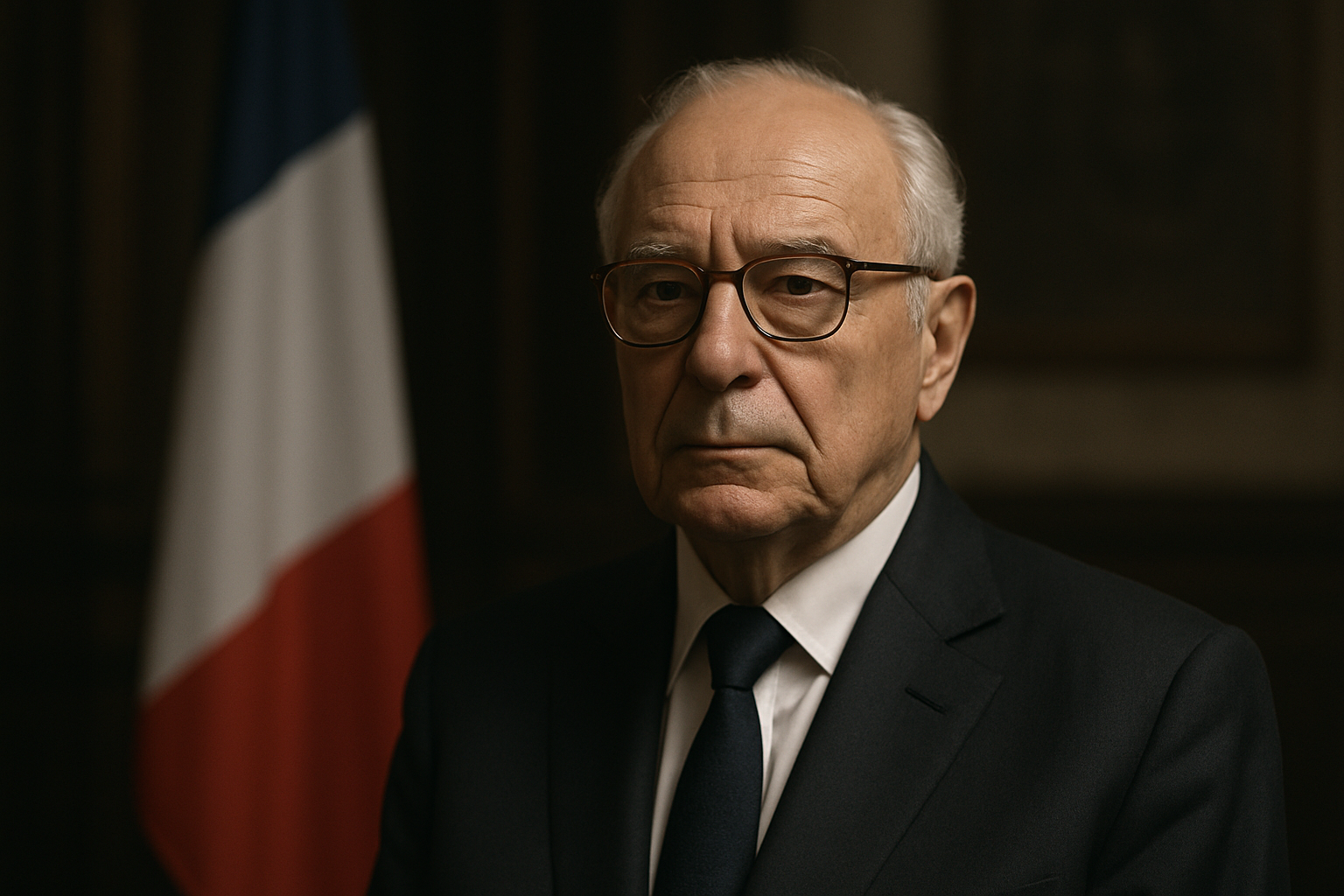
Former French Prime Minister Lionel Jospin, a Socialist reformer who introduced the 35-hour working week and transformed France's modern left, has died at age 88, his family announced on Monday.
Jospin died on Sunday, March 22, 2026, marking the end of an era for French Socialist politics. The longest-serving Prime Minister of the Fifth Republic during cohabitation, he served from 1997 to 2002 under President Jacques Chirac, leading what he called a "plural left" government during a period of economic growth and social reform.
A Distinguished Political Career
Born in 1937, Jospin became a towering figure of the French Socialist left, holding numerous positions throughout his distinguished career. He served twice as First Secretary of the Socialist Party (1981-1988 and 1995-1997) and held ministerial positions under François Mitterrand, helping to shape modern French social democracy.
His most significant achievement came as Prime Minister when he implemented the groundbreaking 35-hour work week in 2000, reducing the standard French working week from 39 hours in a revolutionary policy aimed at combating unemployment and improving work-life balance. The policy remains one of the most lasting domestic achievements of his tenure, celebrated by supporters as progressive social legislation while criticized by opponents as hampering economic competitiveness.
"Jospin incarnated the French left before his death on Sunday March 22 at the age of 88."
— Burkina24.com report
Presidential Ambitions and Electoral Setback
Jospin's political career was marked by two failed presidential campaigns that would ultimately define his legacy. In 1995, he reached the second round but lost to Jacques Chirac. More dramatically, in 2002, he was eliminated in the first round of the presidential election, finishing third behind Chirac and far-right leader Jean-Marie Le Pen in a shocking result that allowed the far-right to reach the second round for the first time in French history.
That 2002 elimination marked a turning point in French politics, contributing to the far-right becoming a permanent fixture in electoral discourse and leading to Jospin's retirement from active political life.
Economic Stewardship and European Integration
During his tenure as Prime Minister, Jospin oversaw a period of sustained economic growth, declining unemployment, and successful transition to the euro. His government was committed to European integration while maintaining Socialist values through pragmatic governance that earned respect across the political spectrum.
The "plural left" coalition he led included not only Socialists but also Communists, Greens, and other left-wing parties, demonstrating his ability to build consensus during a time of divided government with President Chirac.
Recent Health Concerns
According to reports from Luxembourg's Le Quotidien, Jospin had indicated in January that he had undergone "a serious operation," though he did not divulge details about his health condition. His family's announcement on Monday confirmed his peaceful death on Sunday.
Legacy and Impact
Jospin's death removes one of the last major figures from the Mitterrand generation of French Socialist politicians. He represented a consensual era of French politics before the rise of populist movements and increased political polarization that has characterized recent decades.
Known for his intellectual approach and pragmatic governance, Jospin successfully combined Socialist values with practical leadership during his five years as Prime Minister. His government's achievements in reducing unemployment, maintaining economic growth, and implementing progressive social policies left a lasting mark on French society.
"Former French prime minister Lionel Jospin, a Socialist reformer who introduced the 35-hour working week and civil partnerships for same-sex couples, has died aged 88."
— RFI International
International Recognition
Beyond domestic achievements, Jospin earned international recognition for his contributions to French democracy and European integration. His approach to governance, balancing socialist ideals with economic pragmatism, influenced social democratic movements across Europe.
His government also advanced social causes, including the introduction of civil partnerships for same-sex couples, demonstrating his commitment to progressive social reform alongside economic policy.
End of an Era
Jospin's death marks the end of a significant chapter in French political history. As one of the last major figures from the generation that shaped modern French socialism, his passing represents the conclusion of an era characterized by more consensual politics and institutional stability.
Funeral arrangements are expected to be announced in the coming days, with current and former French leaders anticipated to pay their respects to a statesman who dedicated his life to public service and the advancement of social democratic ideals.
His legacy lives on through the institutions and policies he helped create, particularly the 35-hour work week, which remains a defining characteristic of French labor policy and continues to influence debates about work-life balance across Europe and beyond.