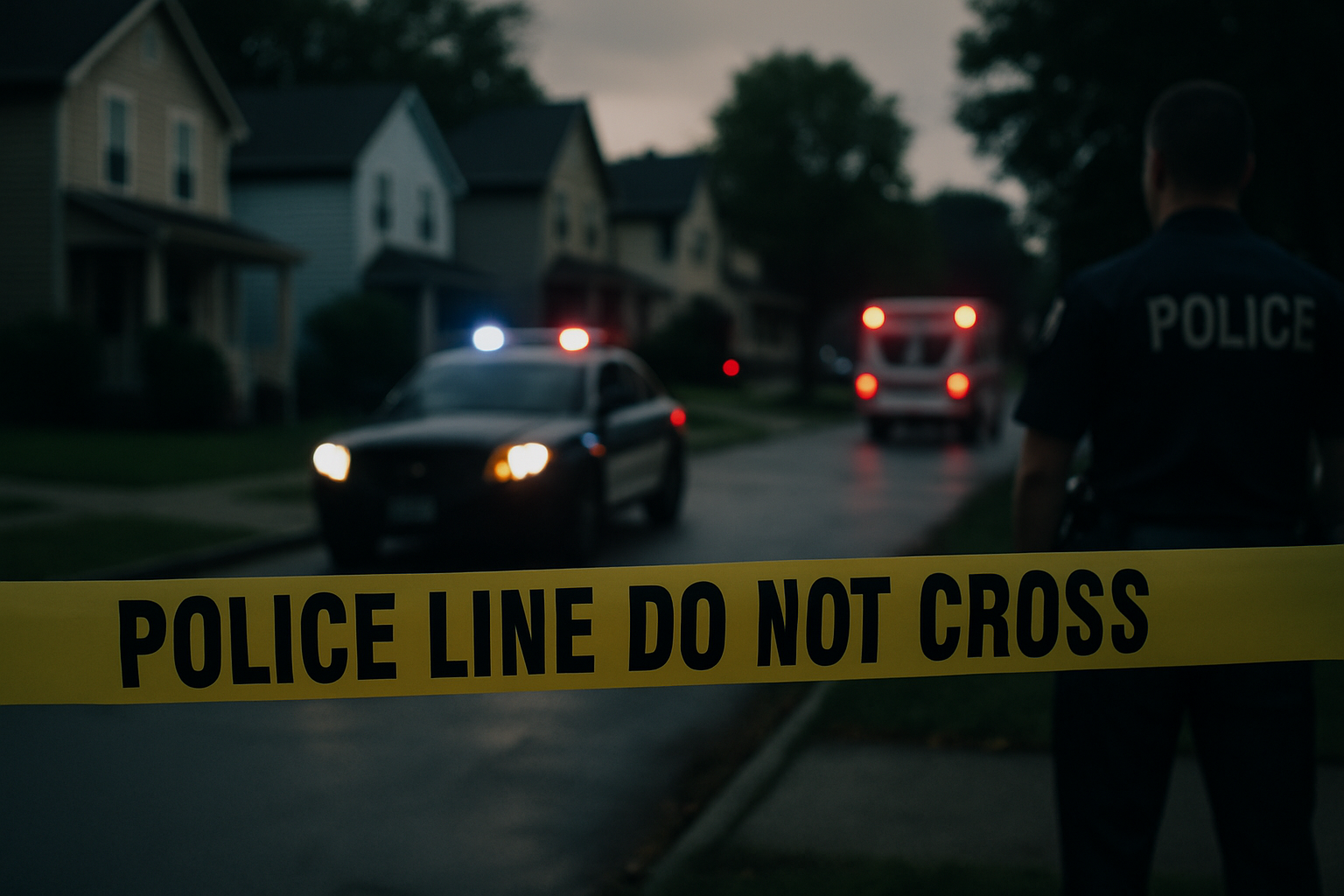
A 31-year-old Louisiana man killed eight children, including seven of his own, during a domestic violence-related shooting spree that unfolded across three homes in Shreveport early Sunday morning, marking the deadliest mass shooting in the United States in more than two years.
Shamar Elkins opened fire just after 6:00 AM local time in the city's Cedar Grove neighborhood, systematically targeting multiple residences before being shot dead by police following a two-hour pursuit through the community. The victims included three boys and five girls ranging in age from 3 to 11 years old—seven of whom were Elkins' biological children and one cousin.
Shreveport Police Corporal Chris Bordelon confirmed the shootings were "domestic in nature," representing a catastrophic escalation of family violence that has sent shockwaves through the tight-knit community and renewed urgent calls for enhanced domestic violence prevention measures.
Timeline of Terror
The attack began at approximately 6:00 AM Central Time at a residence near West 79th Street and Harrison Street. According to police accounts, Elkins first shot his partner—the mother of his children—before systematically moving through the Cedar Grove neighborhood targeting multiple homes where family members resided.
Two women, including Elkins' wife who was the mother of their seven children, were shot and critically injured but survived the initial attack. A 13-year-old boy escaped the violence by fleeing from a home and jumping from the roof, sustaining broken bones but surviving what Bordelon described as "a few broken bones" with expectations for full recovery.
Following the initial shootings, Elkins hijacked a vehicle and led police on an extended pursuit lasting approximately two hours through residential areas. The chase ended when officers fatally shot Elkins, who authorities say was "resisting arrest" at the time of his death.
Community in Crisis
The Cedar Grove neighborhood, home to working-class families in Shreveport's urban core, has been left devastated by the unprecedented violence. Crisis counseling services have been established, and local churches and community organizations are mobilizing comprehensive support for survivors and traumatized residents.
The systematic targeting of children across multiple residences has particularly shaken a community unaccustomed to such extreme violence. Neighbors described a quiet Sunday morning transformed into a scene of terror as the sound of gunfire echoed through residential streets.
"This is one of the most horrific acts of domestic violence we've ever encountered,"
— Shreveport Police Corporal Chris Bordelon
The Louisiana State Police are conducting a separate investigation into the officer-involved shooting that ended Elkins' life, following standard protocols for such incidents. The FBI's Joint Terrorism Task Force is also assisting with the investigation, though officials have classified the incident as domestic violence rather than terrorism.
National Context and Gun Violence Statistics
According to data from the Gun Violence Archive, this shooting represents the deadliest mass casualty event in the United States in more than two years. The incident adds to what experts describe as a growing domestic violence crisis, with 2026 already recording 114 mass shootings nationally.
The targeting of young children—with victims ranging from just 3 to 11 years old—represents one of the deadliest mass shootings specifically targeting children in recent U.S. history. The systematic nature of the attack, spanning multiple residences and involving family members, highlights the complex intersection of domestic violence and mass casualty events.
French media characterized the shooting as the worst U.S. mass shooting in over two years, describing it as part of an "intrafamilial violence" crisis affecting American communities. Norwegian sources highlighted the deadly combination of domestic violence escalation with easy firearm accessibility.
Investigation and Law Enforcement Response
The comprehensive investigation involves multiple agencies, including Shreveport Police, Louisiana State Police, and federal authorities. The focus has shifted to examining Elkins' background for previous domestic violence reports, mental health concerns, and any missed opportunities for intervention that might have prevented the tragedy.
Authorities are conducting a timeline analysis to understand the sequence of events and determine whether warning signs were missed by the various systems designed to protect vulnerable family members. The investigation includes examination of firearm access, previous police visits to residences, and any documented concerns about Elkins' behavior.
The complexity of the crime scene—spanning multiple homes across the Cedar Grove neighborhood—has required extensive forensic investigation and witness interviews. Police have not released details about the specific weapons used or how Elkins gained access to the residences.
Domestic Violence Prevention Gaps
The Louisiana shooting has highlighted critical gaps in domestic violence prevention and intervention systems. While authorities have not released details about any previous police contacts with Elkins or his family, the extreme escalation to mass murder of children underscores the deadly potential when domestic violence intersects with firearm access.
Experts note that domestic violence-related mass shootings often involve perpetrators who specifically target family members and children, representing a particularly devastating form of intimate partner violence that can extend beyond immediate households to include extended family and community members.
The incident has renewed calls for enhanced threat assessment capabilities, improved mental health resources, and more effective intervention strategies before domestic disputes escalate to lethal violence. Community leaders are emphasizing the need for comprehensive support systems that can identify and address warning signs before they result in tragedy.
Community Response and Healing
In the aftermath of the shooting, the Cedar Grove neighborhood has demonstrated remarkable unity and resilience. Community organizations have established support services for affected families, while local churches are providing both practical assistance and spiritual counseling for those traumatized by the violence.
The healing process is expected to require years of sustained community commitment, with particular attention to the needs of surviving family members and children who witnessed or were affected by the violence. Mental health professionals have emphasized the importance of long-term support for a community grappling with such an unprecedented act of violence.
Local leaders have stressed that while the investigation continues, the immediate priority remains caring for survivors and supporting a community working to process an unimaginable tragedy. The response has included both immediate crisis intervention and longer-term planning for ongoing support services.
Broader Implications
The Shreveport shooting occurs within the context of ongoing national debates about gun violence, domestic violence prevention, and community safety measures. The incident has drawn attention to the particular vulnerability of children in domestic violence situations and the deadly consequences when such conflicts involve firearms.
As one of the deadliest mass shootings targeting children in recent U.S. history, the event is likely to influence policy discussions about domestic violence intervention, gun safety measures, and community-based prevention strategies. The systematic targeting across multiple residences also raises questions about threat assessment and early warning systems.
The investigation's findings may provide crucial insights into preventing similar tragedies, particularly regarding the identification of escalating domestic violence situations and the development of intervention strategies that can effectively protect vulnerable family members before violence occurs.
As the Cedar Grove neighborhood begins the long process of healing, the broader implications of this tragedy continue to resonate across Louisiana and the nation, serving as a stark reminder of the deadly intersection between domestic violence and easy access to firearms in American communities.