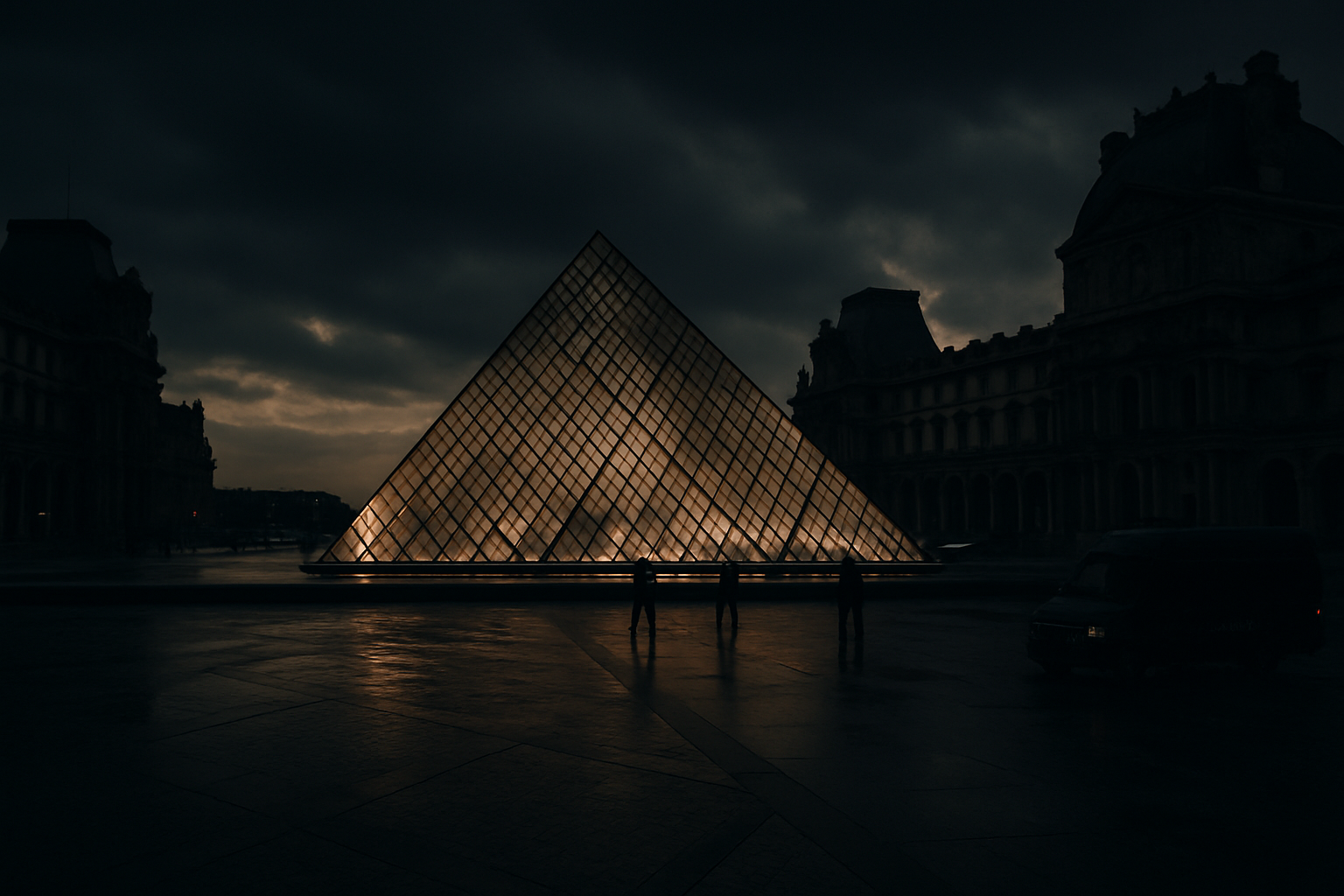
Laurence des Cars has resigned as director of the Louvre Museum, ending her tenure at the world's most prestigious cultural institution amid a cascade of crises that began with a spectacular €88 million jewelry heist and evolved into a comprehensive institutional breakdown.
French President Emmanuel Macron accepted des Cars' resignation on Tuesday, February 24, 2026, describing it as an "act of responsibility" in a statement from the Élysée Palace. The president acknowledged that the museum, shaken by multiple scandals, required "new impetus" to restore public confidence and operational effectiveness.
The October 19, 2025 Heist That Changed Everything
The crisis began on October 19, 2025, with what German media have called a "Jahrhundertraub" (heist of the century). Four thieves executed a meticulously planned operation, stealing jewelry worth €88 million from the museum's collection of French Crown Jewels. The theft exposed critical security vulnerabilities that had gone unaddressed despite the Louvre's status as the world's most visited museum.
According to sources familiar with the investigation, the perpetrators demonstrated intimate knowledge of the museum's security protocols, suggesting either extensive surveillance or inside information. The heist revealed what French media described as "failles de sûreté" (security flaws) that undermined confidence in the institution's ability to protect priceless cultural artifacts.
Des Cars initially offered her resignation immediately following the theft, but President Macron declined to accept it at that time. However, as subsequent events unfolded, her position became increasingly untenable.
Escalating Internal Tensions and Staff Strikes
The heist was merely the beginning of des Cars' troubles. In mid-December 2025, museum staff launched rolling strikes that severely disrupted operations at the institution that welcomes approximately 10 million visitors annually. The "grève perlée" (rolling strikes) reflected deep-seated dissatisfaction with management decisions and working conditions.
French media reports suggested that staff grievances extended beyond typical labor disputes, encompassing concerns about institutional direction, resource allocation, and leadership responsiveness to security concerns. The strikes created a climate of operational chaos that compounded the reputational damage from the October heist.
Ticket Fraud Scandal Deepens Crisis
Des Cars' leadership faced additional scrutiny following the February 12, 2026 arrest of nine individuals in a sophisticated ticket fraud scheme targeting both the Louvre and the Palace of Versailles. The investigation revealed a decade-long operation that resulted in an estimated €10 million in losses, primarily affecting Chinese tourists through an organized network that exploited tourism infrastructure.
Two Louvre employees were among those arrested, raising questions about internal oversight and employee vetting procedures. The scheme involved tourist guides and a suspected network organizer who systematically defrauded the museums beginning in summer 2024, though prosecutors suggest the operation may have deeper historical roots.
The fraud investigation prompted enhanced security measures at both institutions, including improved employee oversight, ticketing system monitoring, and enhanced cooperation with tour operators. However, the revelation of internal employee involvement further damaged confidence in des Cars' administrative oversight.
Water Damage Compounds Museum Crisis
In February 2026, the Louvre suffered additional setbacks when broken pipes caused severe water damage to galleries 706 and 707, affecting Renaissance masterpieces including works by Beato Angelico and Bernardino Luini. A 19th-century Charles Meynier fresco sustained potentially irreversible damage, representing a catastrophic loss of cultural heritage.
The water damage incident highlighted broader infrastructure vulnerabilities affecting European cultural institutions amid extreme weather events and resource constraints. For des Cars, it represented another crisis requiring immediate management attention while dealing with ongoing security, labor, and fraud investigations.
Recent Security Breaches
Des Cars' final weeks as director were marked by additional security incidents that underscored persistent institutional vulnerabilities. On February 23, 2026, British activists from the group "Everyone Hates Elon" successfully infiltrated museum security to hang a framed arrest photograph of Prince Andrew on a museum wall.
The protest photograph, showing Prince Andrew leaving a UK police station after his February 19 arrest, remained displayed for several minutes during peak visiting hours before security removal. The incident demonstrated that despite heightened security measures following the October heist, activist groups could still bypass multiple security layers at the world's most secure museum.
Political and Cultural Context
Des Cars' resignation occurred against a backdrop of broader challenges facing French cultural institutions. The Louvre crisis coincided with the resignation of Jack Lang from the Arab World Institute presidency following his involvement in the Jeffrey Epstein files scandal, and broader questions about governance and accountability in France's cultural sector.
Industry observers noted that des Cars' departure reflected systemic challenges beyond individual leadership, including aging infrastructure, resource constraints, evolving security threats, and changing public expectations for cultural institution accountability.
"The Louvre requires new leadership to address not just immediate security concerns, but fundamental questions about how France's premier cultural institution operates in the 21st century."
— Cultural Policy Expert, Sciences Po Paris
Legacy and Future Challenges
Laurence des Cars became the Louvre's first female director when she assumed the position in 2021, bringing extensive experience from her previous role leading the Musée d'Orsay. Her tenure began with high expectations for institutional modernization and enhanced public engagement.
However, her directorship will be remembered primarily for the institutional crises that defined its final months. The €88 million heist, staff strikes, fraud investigations, and water damage created a perfect storm of challenges that ultimately proved insurmountable.
The next director will inherit an institution requiring comprehensive reform across security protocols, staff relations, infrastructure maintenance, and public accountability measures. The Louvre's status as a symbol of French cultural excellence demands leadership capable of restoring both operational effectiveness and public confidence.
International Implications
The crisis at the Louvre has broader implications for cultural institutions worldwide, particularly regarding security, internal oversight, and crisis management. Museums globally are reviewing their own protocols in light of the sophisticated heist that exposed vulnerabilities at even the most prestigious institutions.
The combination of external threats, internal fraud, infrastructure challenges, and labor disputes represents a comprehensive test of cultural institution resilience. Des Cars' resignation marks the end of an era and the beginning of necessary institutional transformation at one of the world's most important cultural venues.
As France begins the search for the Louvre's next director, the appointment will be closely watched internationally as a signal of how democratic societies address accountability and reform in their most cherished cultural institutions.