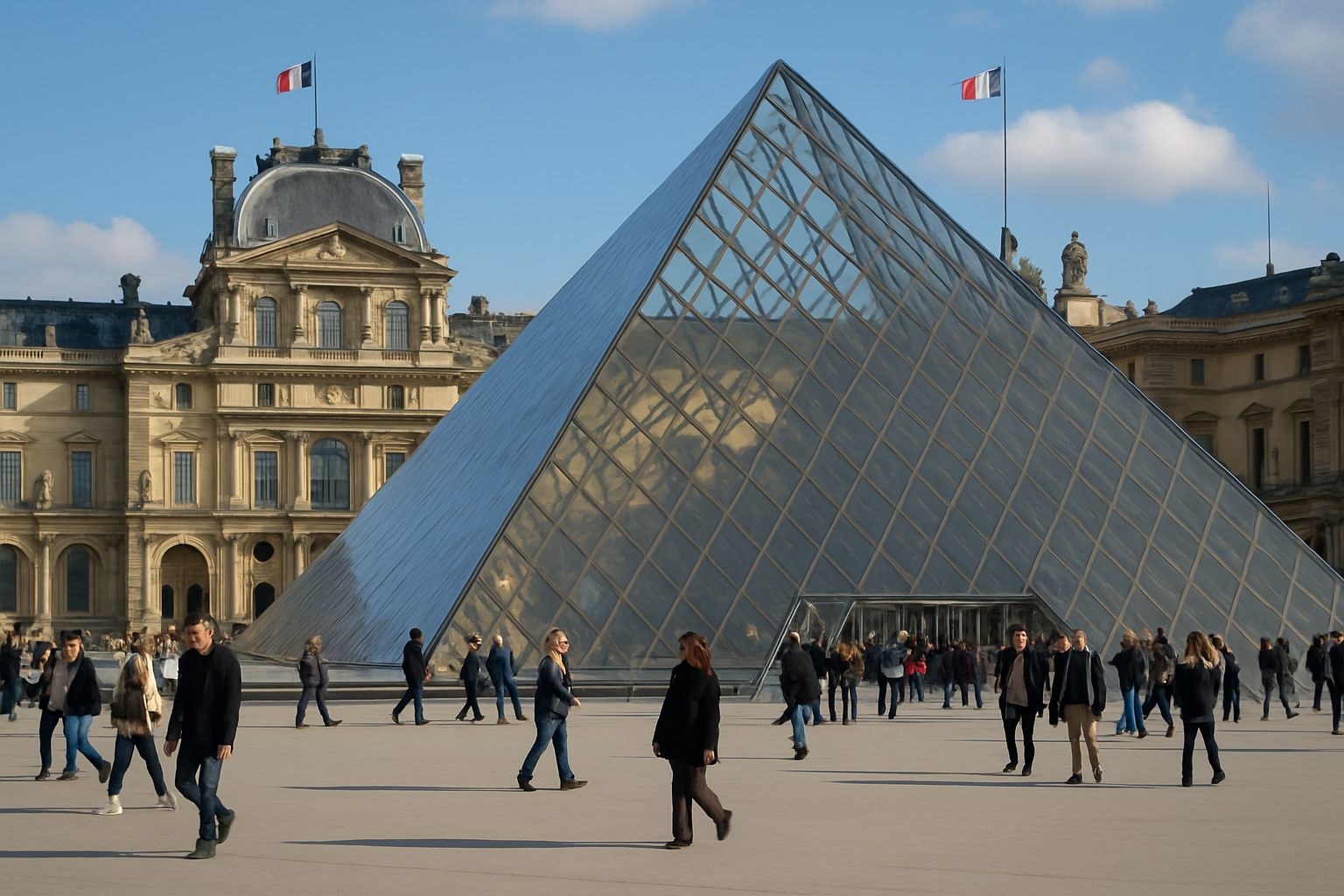
French President Emmanuel Macron has appointed Christophe Leribault, current president of the Palace of Versailles, as the new director of the Louvre Museum, replacing Laurence des Cars who resigned following a cascade of institutional crises that rocked the world's most visited cultural institution.
The appointment, confirmed at Wednesday's Council of Ministers meeting on February 25, 2026, marks a critical juncture for the Louvre as it seeks to restore public confidence and operational stability following months of unprecedented challenges that exposed fundamental vulnerabilities in the museum's security, management, and infrastructure systems.
From Crisis to Leadership Change
Leribault inherits an institution reeling from a series of devastating incidents that began with the October 19, 2025 theft of €88 million worth of crown jewels from the Apollo Gallery. The brazen daylight heist, executed by four thieves in just eight minutes, demonstrated alarming security vulnerabilities and suggested possible inside assistance, fundamentally undermining confidence in the museum's protective capabilities.
The crisis deepened with rolling staff strikes throughout December 2025, known as "grève perlée," which disrupted museum operations and highlighted growing dissatisfaction with management decisions. The situation reached a breaking point in February 2026 when a major ticket fraud scandal emerged, resulting in nine arrests including two Louvre employees and exposing a decade-long scheme that primarily targeted Chinese tourists, causing losses exceeding €10 million.
"The museum needs calm and strong new impetus for security upgrades and modernization."
— Emmanuel Macron, French President
Water damage to galleries 706-707 in February further compromised the institution when Renaissance masterpieces by Beato Angelico and Bernardino Luini were affected, with a 19th-century Charles Meynier fresco suffering potentially irreversible damage. The final blow came on February 23 when activists from the group "Everyone Hates Elon" successfully bypassed security to hang a framed photograph of Prince Andrew on museum walls during peak visiting hours, once again highlighting continuing security failures.
Proven Leadership from Versailles
Leribault brings to the Louvre extensive experience in managing France's premier cultural institutions. As president of the Palace of Versailles, he has demonstrated expertise in balancing heritage preservation with modern visitor expectations while maintaining the highest standards of cultural stewardship. His appointment represents a strategic choice by the Macron administration to install proven leadership capable of comprehensive institutional reform.
The new director faces immediate priorities including a complete security overhaul, strengthening internal controls, addressing infrastructure maintenance needs, rebuilding staff morale, and restoring public trust. Despite the challenges, the Louvre maintains its position as the world's most visited museum, welcoming over 10 million visitors annually, underscoring both the scale of responsibility and the institution's fundamental importance to global cultural life.
Broader Context of Cultural Institution Pressures
The Louvre's crisis reflects broader challenges facing major cultural institutions worldwide. The departure of des Cars, who became the first female Louvre director in 2021 with an ambitious modernization mandate, illustrates how traditional museum governance structures struggle to adapt to contemporary security threats, evolving visitor expectations, and operational complexities.
Des Cars initially offered her resignation after the October crown jewels heist, but Macron refused at the time, believing the institution could weather the crisis. However, as incidents multiplied—from the ticketing fraud to infrastructure failures—her position became increasingly untenable. Her legacy, initially focused on progressive reform and increased accessibility, became defined by crisis management rather than transformative change.
International Implications and Reform Requirements
The Louvre crisis has reverberated throughout the international museum community, setting precedents for institutional accountability and crisis response protocols. The appointment of Leribault signals France's commitment to maintaining its cultural leadership while acknowledging the need for fundamental operational reforms.
The new director must navigate complex requirements including enhanced security protocols following repeated breaches, comprehensive review of internal controls and staff oversight, systematic infrastructure improvements beyond cosmetic repairs, development of crisis communication strategies, and coordination of extensive renovation projects while maintaining public access.
"This represents a test case for how democratic institutions respond to cultural stewardship failures while preserving their essential mission."
— Cultural Heritage Analyst
The international significance extends beyond France's borders, as museums worldwide grapple with similar challenges of balancing accessibility with security, preserving heritage while embracing innovation, and maintaining public trust amid increasing operational complexity. The Louvre's recovery under Leribault's leadership will influence global museum practices and institutional governance standards.
Future Challenges and Opportunities
Leribault's appointment occurs within the broader context of what observers have termed the "February 2026 Cultural Renaissance," a period of unprecedented global cultural activity and institutional innovation. This environment presents both challenges and opportunities for the Louvre's recovery and transformation.
The museum's ability to maintain its cultural mission while implementing necessary reforms will serve as a template for other institutions facing similar pressures. Success will depend on balancing enhanced security with visitor accessibility, rebuilding staff confidence while maintaining operational efficiency, and preserving the Louvre's unique character while adapting to contemporary realities.
As Leribault assumes his new role, the global cultural community watches closely to see whether one of the world's most prestigious institutions can emerge from crisis stronger and more resilient, setting new standards for 21st-century museum governance and cultural stewardship.
Looking Forward
The appointment represents more than a simple leadership change—it signals France's determination to maintain its position as a global cultural leader while acknowledging the need for fundamental institutional evolution. Leribault's proven track record at Versailles, combined with the urgent need for comprehensive reform at the Louvre, creates a unique opportunity for transformative change.
The success of this transition will influence not only the future of the Louvre but also broader questions about how cultural institutions adapt to contemporary challenges while preserving their essential mission of protecting and sharing humanity's cultural heritage. The stakes extend far beyond Paris, touching on fundamental questions of cultural stewardship, institutional accountability, and the role of museums in democratic society.