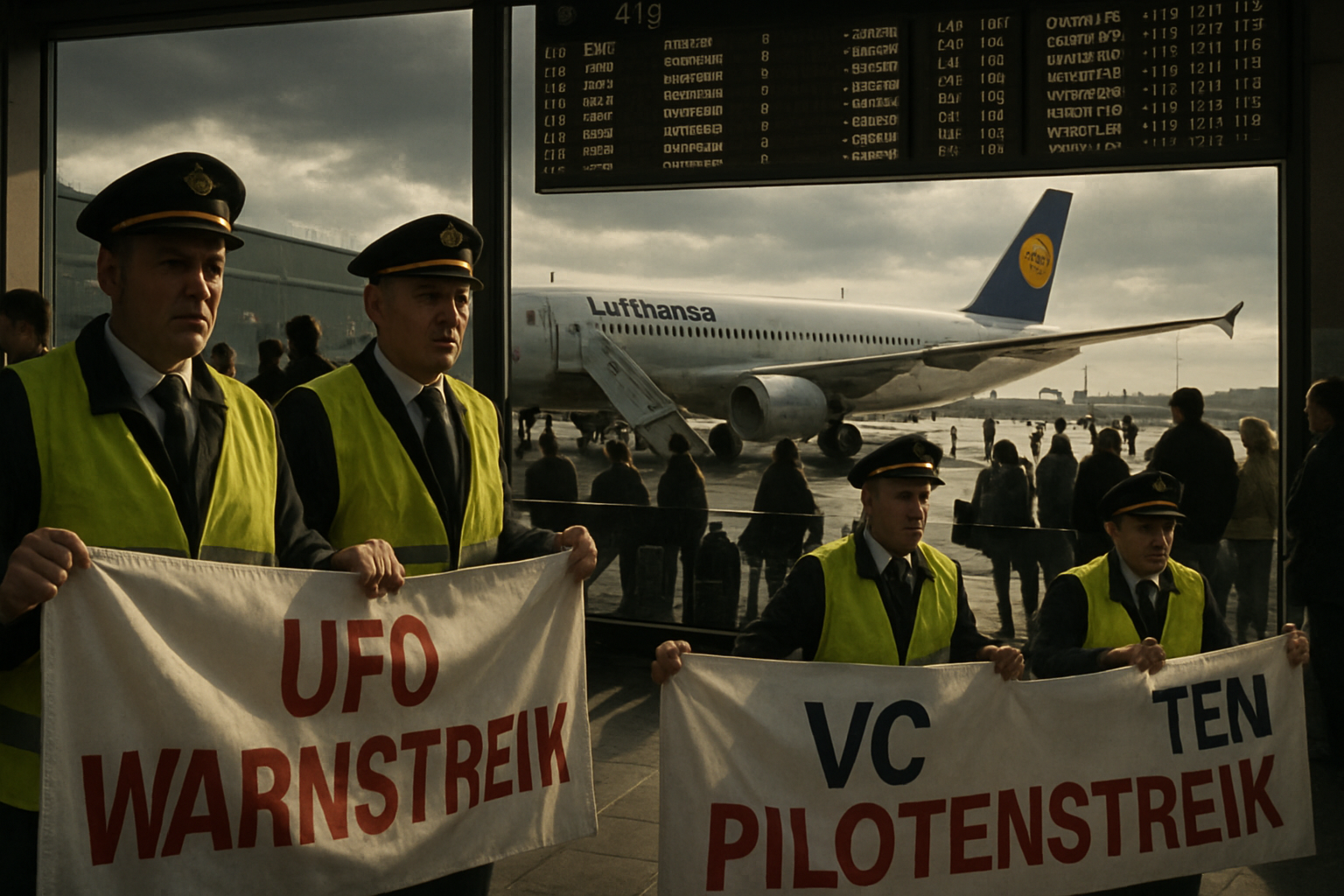
Lufthansa faced massive flight disruptions on February 12, 2026, as pilots and flight attendants launched a coordinated 24-hour strike over pension contributions, forcing the cancellation of hundreds of flights across Germany's major airports and stranding thousands of passengers throughout Europe.
The strike, organized by the Vereinigung Cockpit pilots' union and supported by cabin crew, affected all flights operated by Lufthansa and its subsidiaries CityLine and Lufthansa Cargo. Major German airports including Frankfurt, Munich, Hamburg, Bremen, and Stuttgart experienced significant disruptions, with more than 200 departures canceled at Frankfurt Airport alone.
Union Demands and Management Response
The labor dispute centers on pilot pension contributions, with union leaders arguing that Lufthansa has failed to present adequate proposals for improving retirement benefits. Vereinigung Cockpit President defended the strike action, stating that the union deserves increased funding for pilot retirement security.
"We deserve what we are demanding. Lufthansa has not presented any offer."
— Vereinigung Cockpit President
The strike represents one of the most significant labor actions affecting European aviation in recent months, coming amid broader tensions between airline management and workers across the continent. Lufthansa management criticized the timing and scope of the industrial action, describing it as "extremely harsh and disproportionate" given ongoing negotiations.
Widespread Flight Cancellations
The impact extended far beyond Germany's borders, with international routes severely affected. Budapest's airport saw most flights to and from Frankfurt canceled, with German-based connections virtually eliminated. The disruptions particularly impacted business travelers and passengers with connecting flights through Lufthansa's major European hubs.
According to aviation sources, the strike affected not only passenger services but also cargo operations, disrupting supply chains that rely on Lufthansa's extensive freight network. The airline had announced extensive cancellations for Thursday, advising passengers to check their flight status and make alternative arrangements where possible.
Passenger Rights and Compensation
Under European Union regulations, passengers affected by the strike are entitled to care and assistance, including meals and accommodation where necessary. Lufthansa established special rebooking procedures and customer service lines to handle the volume of affected travelers.
The airline industry has faced increasing pressure from labor unions across Europe as workers seek improved working conditions and compensation following the challenges of the COVID-19 pandemic recovery period. Aviation workers have been particularly vocal about job security and benefits as airlines work to restore profitability.
Broader Industry Context
The Lufthansa strike occurs against a backdrop of labor tensions throughout the European transport sector. Recent memory includes significant strikes affecting German public transport, with the Verdi union organizing widespread actions affecting buses, trams, and subway services across multiple German states.
Aviation industry analysts note that pilot shortages and increased demand for air travel have strengthened unions' negotiating positions. The highly specialized nature of pilot training and certification creates particular leverage for aviation workers in labor disputes.
Regional Impact Assessment
The strike's effects rippled across Central and Eastern Europe, with airports in Budapest, Prague, and other regional hubs reporting significant disruptions to their German connections. Many passengers faced lengthy delays or complete trip cancellations, particularly affecting business travel and time-sensitive connections.
Swedish aviation sources confirmed the widespread nature of the disruptions, with Lufthansa's extensive European network meaning that even secondary routes experienced cancellations and schedule changes.
Resolution Prospects
While the 24-hour strike was limited in duration, union leaders indicated that further action could follow if negotiations do not produce satisfactory results on pension contributions. The timing of the strike, during a busy travel period, was designed to maximize pressure on management to return to the negotiating table with improved offers.
Industry observers expect intensive negotiations in the coming days as both sides work to prevent additional disruptions. The German aviation sector's importance to European connectivity means that prolonged industrial action could have significant economic consequences beyond the immediate passenger inconvenience.
Lufthansa's ability to resolve this labor dispute quickly will be closely watched by other European airlines facing similar pressures from their workforce. The outcome could set precedents for pension and benefits negotiations throughout the aviation industry as it continues recovering from recent global challenges.