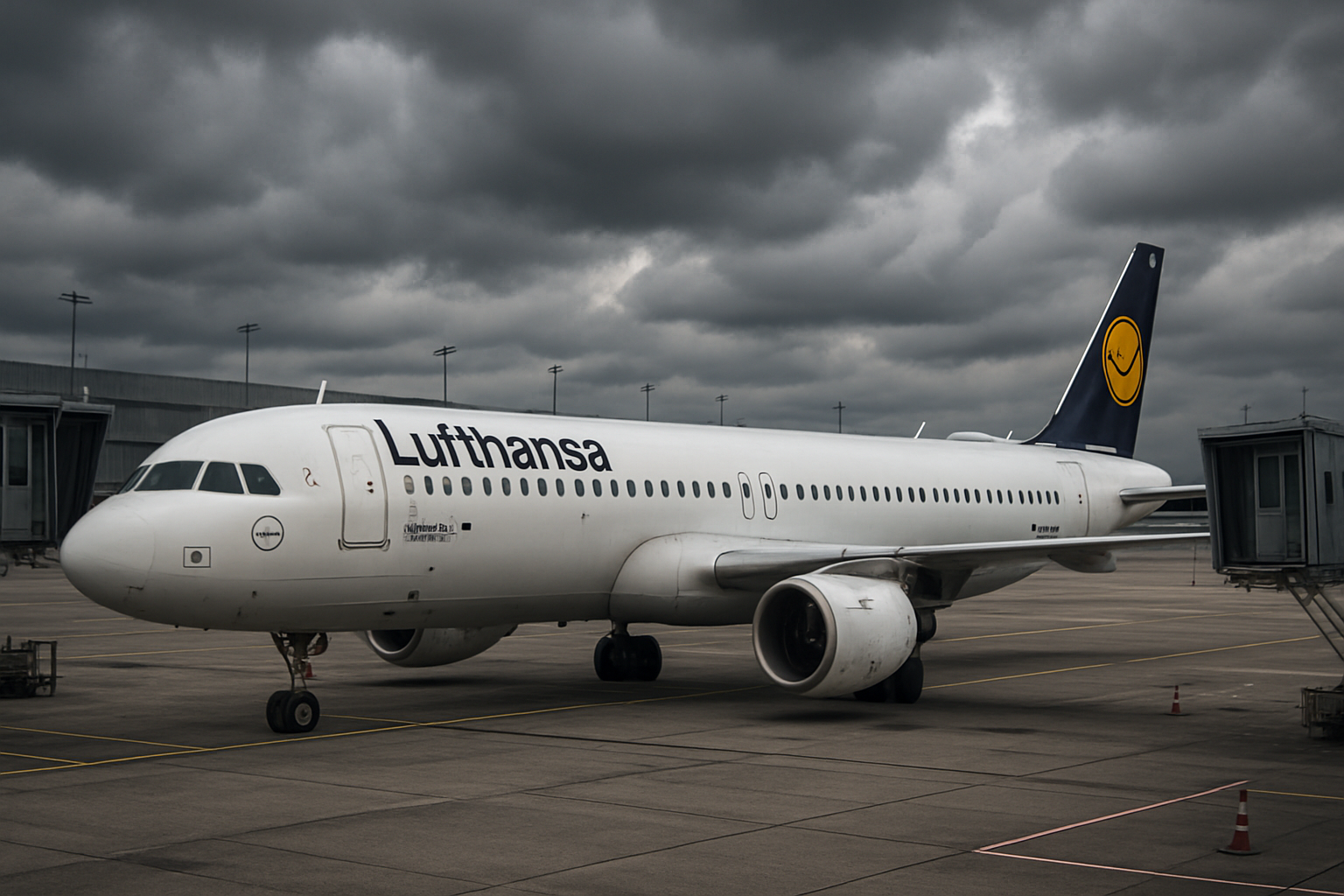
The Vereinigung Cockpit pilots' union has called for strike action at Lufthansa on Monday and Tuesday, April 13-14, extending the airline's operational crisis just days after cabin crew strikes forced hundreds of flight cancellations across German airports.
The strikes will affect Lufthansa's main operations as well as its subsidiaries Eurowings and Lufthansa CityLine, according to multiple German media sources. The action represents the latest escalation in ongoing labor disputes that have plagued Europe's largest airline group throughout 2026, building on a pattern of transportation strikes across the continent.
Strike Timeline and Scope
The pilot strike is scheduled to begin at 00:01 local time on Monday, April 13, and continue through Tuesday, April 14. This follows closely on the heels of cabin crew strikes on Friday that already caused significant disruptions to Lufthansa's operations, forcing passengers to exercise considerable patience as the airline group faces its most challenging operational period in recent memory.
According to reports from German broadcaster Tagesschau, the strikes will impact not only the flagship Lufthansa brand but also its regional subsidiaries, creating a comprehensive disruption across the group's network. The coordinated action demonstrates the sophisticated strategic planning that has characterized European transportation strikes throughout 2026.
Historical Context of Labor Relations
This latest strike action continues a troubling pattern for Lufthansa that stretches back to early 2026. In February, the airline faced a 24-hour pilot strike over pension contributions that caused massive disruptions across European aviation, with over 200 flights cancelled at Frankfurt airport alone. That action, also organized by Vereinigung Cockpit, was described by management as "extremely harsh and disproportionate."
The strikes come as part of a broader European transportation crisis that has seen coordinated labor actions across multiple countries. Recent memory also includes a comprehensive two-day pilot strike in March 2026 that affected an estimated 300 flights per day from Frankfurt am Main and Munich airports, disrupting German aviation hub connectivity across the continent.
"Lufthansa passengers currently need a tremendous amount of patience. After the cabin crew strikes on Friday, the Cockpit union is now calling on pilots to lay down their work on Monday and Tuesday."
— FAZ.NET Report
Union Strategy and Demands
The Vereinigung Cockpit union has evolved its tactics significantly throughout 2026, moving from traditional single-day actions to more sustained multi-day strikes designed to maximize economic pressure on the airline. This strategic evolution reflects broader changes in European labor relations, with unions increasingly departing from traditional social partnership models toward more confrontational approaches.
While specific demands for this week's action have not been publicly detailed, previous pilot strikes have focused primarily on pension contributions and working conditions. The union has consistently argued that pilots' specialized skills and critical safety responsibilities warrant enhanced compensation and benefits packages, particularly in the post-pandemic recovery period when pilot shortages give aviation workers considerable leverage.
Broader European Transportation Crisis
The Lufthansa strikes occur within the context of what has been described as the most challenging year for European transportation since the COVID-19 pandemic. Throughout 2026, the continent has experienced a series of coordinated transportation strikes affecting multiple sectors, from German Ver.di union actions demanding 20% salary increases to Belgian De Lijn funding disputes.
This pattern represents a fundamental shift in European labor relations, with evidence of increasing tactical coordination between transportation unions across national boundaries. The sophisticated timing and scope of these actions suggests unions are sharing strategies and coordinating efforts for maximum collective impact on the European transportation network.
Economic and Operational Impact
The strikes come at a particularly challenging time for Lufthansa, which is still recovering from various operational pressures that have affected the aviation industry throughout 2026. The airline group has faced fuel supply challenges related to Middle East conflicts, forcing it to consider grounding up to 40 aircraft, according to Romanian media reports that described the consequences as "more severe than expected."
Transportation strikes have proven to cost millions of euros in lost productivity, supply chain delays, and tourism impacts. For Lufthansa specifically, the multi-day nature of the pilot strike threatens to create cascading effects throughout its network, affecting not only passengers but also the broader European aviation ecosystem that relies on German airports as major international hubs.
Passenger Rights and Alternatives
Under EU regulations, passengers affected by strike-related delays and cancellations are entitled to compensation and care provisions. The airline must provide alternative transportation, accommodation, and financial compensation depending on the specific circumstances of the disruption. However, the scale of the strikes may strain these support systems.
Passengers are advised to contact Lufthansa directly for rebooking options and to monitor flight status updates closely. The interconnected nature of European aviation means that even passengers not flying directly with Lufthansa may experience delays and disruptions due to the ripple effects of reduced capacity at major German airports.
Industry Implications
The Lufthansa pilot strikes demonstrate the significant leverage that aviation workers possess due to pilot shortages and the specialized training requirements in the industry. Post-pandemic recovery challenges and evolving operational demands have created labor tensions that are becoming increasingly common across the European aviation sector.
Aviation experts note that the interconnected nature of European aviation networks means that strikes at major carriers like Lufthansa create cascading disruption effects throughout the continent. This vulnerability has prompted discussions about the need for enhanced contingency planning, route diversification, and more flexible booking policies as industry standards.
Looking Forward
The success or failure of this week's strike action will likely influence future union strategies and airline responses across Europe. As the aviation industry continues to navigate post-pandemic recovery challenges while facing new operational pressures, the balance between worker demands and operational reliability remains a critical challenge for Europe's transportation network.
The strikes also highlight the need for enhanced crisis management frameworks that can better handle the increasing frequency and coordination of transportation disruptions. As European unions become more sophisticated in their tactical approaches, airlines and airport operators must develop more resilient operational models to maintain connectivity even during widespread labor actions.