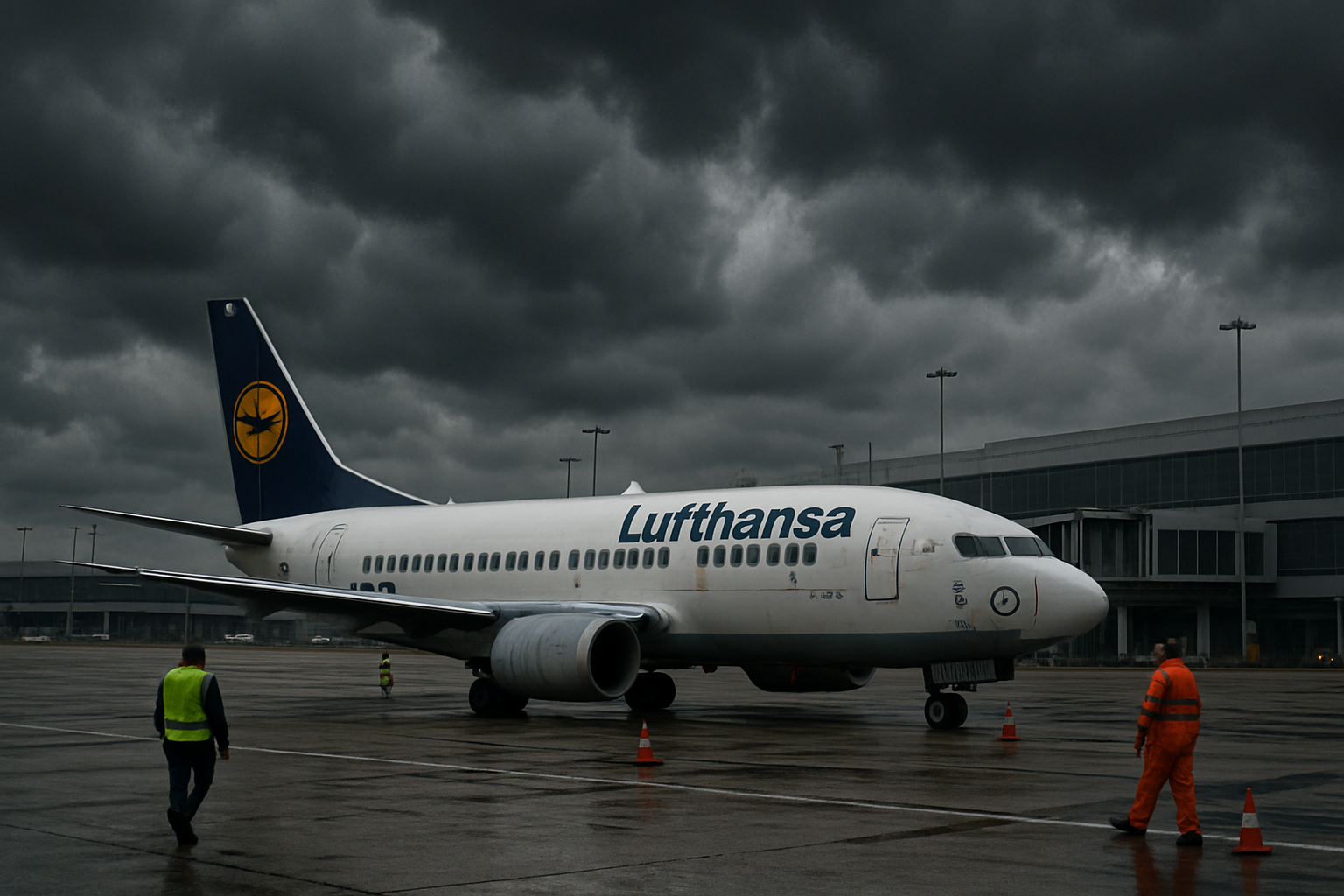
A coordinated strike by Lufthansa pilots' union is disrupting an estimated 300 flights per day on Thursday and Friday, affecting passengers across Germany's major airports as Europe grapples with widespread transportation challenges stemming from ongoing infrastructure vulnerabilities and labor disputes.
The strike, organized by the Vereinigung Cockpit pilots' union, is impacting all Lufthansa, CityLine, and Lufthansa Cargo operations from Frankfurt am Main and Munich airports, according to reports from German media. The action represents the latest in a series of transportation strikes that have plagued European aviation this year, following a similar 24-hour Lufthansa pilot strike on February 12, 2026, that caused massive disruptions across the continent.
Strike Impact Across German Aviation Network
Frankfurt Airport, Germany's busiest aviation hub, is experiencing significant cancellations as the strike affects both passenger and cargo operations. Munich Airport is similarly impacted, with hundreds of flights cancelled or rescheduled during the two-day action period. The disruptions are particularly concerning given Germany's role as a central European aviation hub connecting international travelers.
Slovak and Swedish media outlets have reported widespread concern about the strike's impact on international connections. Bratislava and Stockholm passengers who rely on Frankfurt and Munich as connecting hubs are facing significant delays and rebooking challenges, highlighting the interconnected nature of European aviation networks.
"We are seeing cancellations primarily at Frankfurt am Main and Munich airports,"
— Lufthansa spokesperson, as reported by TREND.sk
Broader European Transportation Crisis Context
The current Lufthansa strike occurs against a backdrop of mounting European transportation challenges. The continent has experienced unprecedented disruptions throughout 2026, including severe weather events, infrastructure failures, and labor disputes that have tested the resilience of transportation networks designed for 20th-century conditions but struggling with 21st-century volatility.
February 2026 saw devastating storm successions that claimed over 30 lives across Portugal, Spain, and France, requiring the largest coordinated European emergency response in recent history. The EU Civil Protection Mechanism was activated, with Sweden and Denmark providing €246 million in assistance.
Compounding these weather-related challenges, the aviation industry has faced additional pressures from the ongoing Middle East crisis, which has disrupted global flight patterns and forced airlines to implement complex rerouting strategies. Over 18,000 flights were cancelled worldwide during the March crisis, demonstrating the interconnected vulnerability of modern transportation networks.
Labor Relations and Industry Pressures
The Vereinigung Cockpit union's latest action follows their previous February strike, which management described as "extremely harsh and disproportionate." Union demands typically focus on improved pension contributions, better working conditions, and enhanced compensation packages as pilots leverage their specialized skills and training requirements.
Aviation worker strikes have become increasingly common across Europe as the industry grapples with post-pandemic recovery challenges, pilot shortages, and evolving operational demands. The specialized nature of aviation work gives unions significant leverage, particularly during peak travel periods when disruptions can affect hundreds of thousands of passengers.
Germany's transportation sector has faced additional challenges this year, including a major 48-hour Verdi union strike in February that affected 100,000 workers across buses, trains, and subways. These coordinated actions demonstrate broader labor tensions as workers adapt to changing industry conditions while seeking to balance operational continuity with system modernization needs.
Passenger Rights and Compensation
Passengers affected by the Lufthansa strike are entitled to compensation and care provisions under European Union regulations. Airlines must provide alternative transportation, accommodation when necessary, and financial compensation for significant delays caused by strikes, though specific terms depend on individual circumstances and ticket conditions.
Travel industry experts recommend that affected passengers contact their airlines directly for rebooking options and monitor official Lufthansa communications for real-time updates on flight status. Given the interconnected nature of European aviation, the disruptions may have cascading effects on connecting flights and partner airlines.
Infrastructure Vulnerability and Future Preparedness
The current transportation disruptions highlight fundamental vulnerabilities in European infrastructure that was designed for historical climate patterns and operational demands. Emergency services are operating at or near capacity limits, and traditional mutual aid systems are strained by simultaneous crises across multiple regions.
Industry analysts note that the aviation sector faces particular challenges in managing geopolitical risks, extreme weather events, and labor disputes simultaneously. The February Middle East crisis, which shut down Dubai International Airport and forced massive passenger evacuations, demonstrated how regional conflicts can instantly create global transportation disruptions.
Recovery from transportation crises now requires weeks to months rather than days, emphasizing the need for enhanced resilience planning and "building back better" infrastructure designed for permanent climate volatility rather than historical patterns.
Economic and Social Implications
Transportation strikes and disruptions carry significant economic costs beyond passenger inconvenience. The February German transport strike resulted in millions of euros in lost productivity, delayed freight operations, and cascading effects throughout supply chains. Educational institutions, healthcare facilities, and essential services all face operational challenges during major transportation disruptions.
The tourism industry, still recovering from pandemic impacts, faces additional pressures from unpredictable transportation availability. International conferences, business travel, and leisure tourism all suffer when major aviation hubs experience extended disruptions.
For passengers like those traveling between European capitals through German hubs, the strikes represent not just scheduling inconveniences but potentially significant additional costs for alternative routing, accommodation, and rebooking fees.
Looking Forward: Enhanced Crisis Management
The ongoing transportation challenges across Europe have catalyzed discussions about enhanced crisis management frameworks and international cooperation mechanisms. The successful coordination during recent weather emergencies provides a template for future responses, but aviation-specific challenges require specialized approaches.
Airlines are implementing enhanced contingency planning, including alternative routing strategies, improved passenger communication systems, and flexible booking policies to better manage disruptions. However, the fundamental challenge of maintaining European connectivity while navigating increasing geopolitical, climate, and labor volatility requires systemic solutions.
As the Lufthansa pilot strike continues through Friday, passengers are advised to check flight status regularly and consider flexible travel arrangements. The broader context of European transportation challenges suggests that such disruptions may become more common, requiring both industry adaptation and passenger preparedness for an era of increased travel uncertainty.