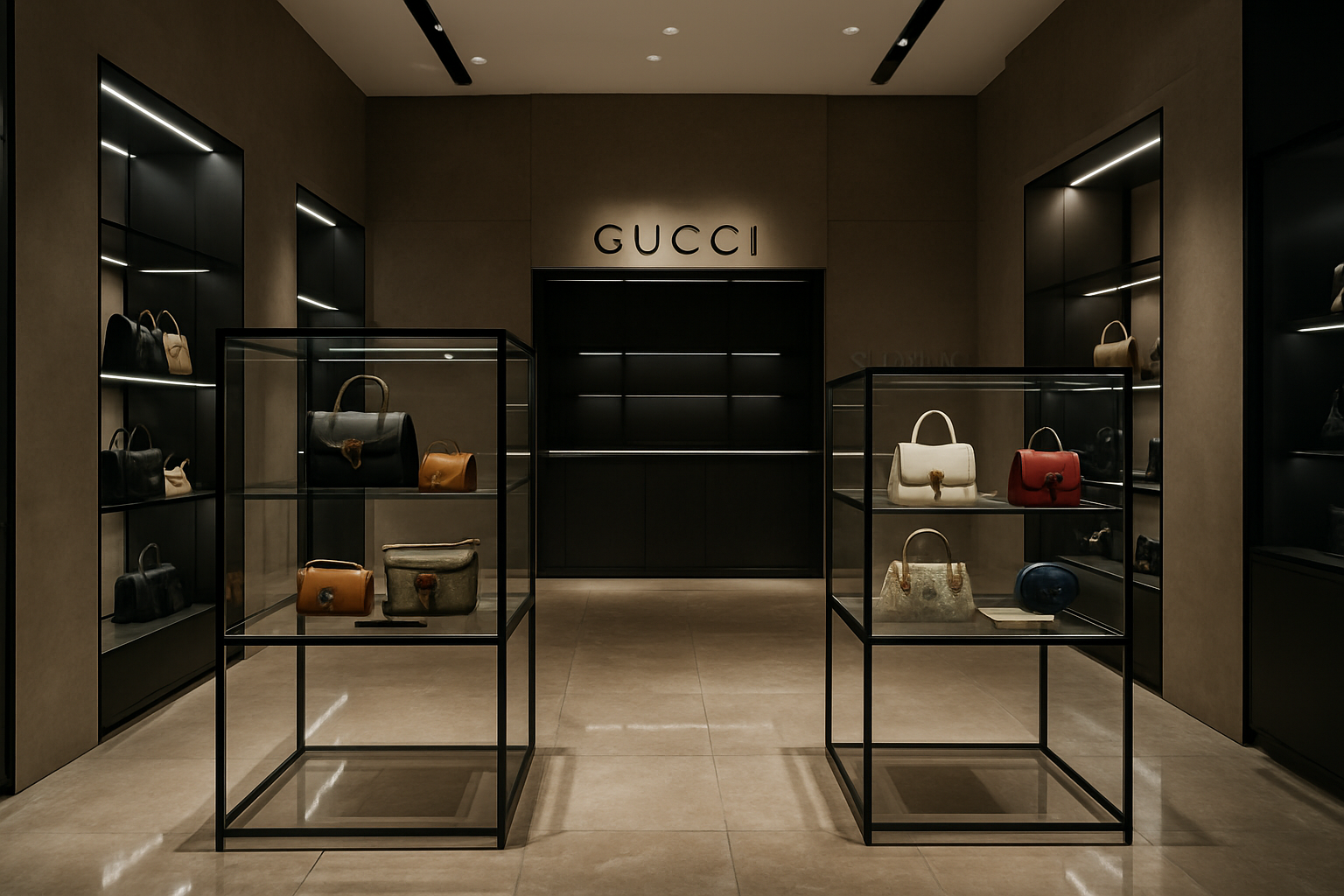
The luxury fashion sector delivered mixed signals in early February 2026, with Kering SA surging 14% on better-than-expected quarterly results while simultaneously announcing the closure of 32 Gucci stores as part of CEO Luca de Meo's "severe restructuring" plan. Meanwhile, audio streaming giant Spotify demonstrated the resilience of digital entertainment, jumping 12% after monthly active users exceeded analyst expectations.
Kering SA, the luxury conglomerate behind brands including Gucci, Bottega Veneta, and Saint Laurent, reported a smaller-than-expected decline in fourth-quarter sales on Tuesday, providing relief to investors who had braced for steeper losses. The company's shares climbed nearly 14% at market open, reflecting cautious optimism about the luxury group's strategic direction under challenging market conditions.
Kering's Strategic Restructuring Under De Meo
The positive market reaction came despite significant restructuring news from France, where Kering CEO Luca de Meo announced the closure of 32 Gucci stores throughout 2025. According to Le Monde, the luxury group may shutter nearly 100 additional locations in the medium term, representing the most significant downsizing in the brand's recent history.
This strategic consolidation reflects broader challenges facing the luxury sector, as brands grapple with evolving consumer preferences, economic uncertainties, and shifting demographic trends. The closures suggest a focus on quality over quantity, emphasizing profitable locations and premium customer experiences over widespread retail presence.
"To return to growth and improve margins"
— Kering SA, 2026 Outlook Statement
The company's stated primary goal for 2026 is "to return to growth and improve margins," indicating a strategic pivot toward operational efficiency and profitability rather than pure expansion. This approach aligns with historical context from previous luxury market downturns, where successful brands prioritized brand equity preservation over short-term revenue maximization.
Contrasting Digital Entertainment Success
In stark contrast to the physical retail challenges facing luxury fashion, digital entertainment platforms demonstrated robust growth. Spotify Technology S.A.'s US-listed shares jumped more than 12% on Tuesday following the release of its fourth-quarter earnings report for fiscal 2025.
The Swedish audio streaming giant reported that monthly active users (MAU) grew 11% year-on-year, surpassing analysts' expectations and demonstrating the continued strength of subscription-based digital services. This performance highlights the divergent trajectories between traditional luxury retail and digital entertainment platforms.
Sector Performance Divergence
The contrasting fortunes of Kering and Spotify illustrate broader market dynamics affecting consumer discretionary spending. While luxury fashion faces headwinds from economic uncertainty and changing consumer priorities, digital entertainment services continue to benefit from their essential role in modern lifestyle and entertainment consumption.
Memory of previous market cycles suggests that luxury brands typically recover through strategic focus on core customers, product quality, and brand authenticity rather than aggressive expansion. The current restructuring at Kering appears to follow this established playbook, prioritizing long-term brand health over short-term market share gains.
Market Context and Investor Sentiment
The 14% surge in Kering shares reflects investor relief at the company's relatively modest sales decline compared to feared steeper losses. This market reaction demonstrates how expectations management has become crucial in the luxury sector, where brands must balance transparency about challenges with confidence in strategic recovery plans.
The luxury sector's challenges extend beyond individual company performance to include broader economic factors such as inflation concerns, geopolitical tensions affecting international travel, and evolving consumer values prioritizing experiences over material possessions. These macro trends require strategic adaptation from luxury brands traditionally focused on physical product sales.
Industry analysts note that successful navigation of current market conditions requires brands to emphasize quality craftsmanship, heritage storytelling, and exclusive customer experiences as key differentiators. This approach contrasts with previous expansion strategies that emphasized rapid market penetration and broad accessibility.
Looking Forward: Strategic Implications
The divergent performance between traditional luxury retail and digital entertainment platforms suggests a fundamental shift in consumer spending patterns. While discretionary physical goods face pressure from economic uncertainty, digital services maintain their position as essential lifestyle components.
For the luxury fashion sector, recovery likely requires continued adaptation to changing consumer preferences, investment in digital capabilities, and careful balance between exclusivity and market expansion. The success of restructuring efforts like those at Kering will depend on execution quality and consistency with long-term brand positioning.
The broader implications for consumer sectors include recognition that traditional business models must evolve to address new market realities while maintaining core brand values. Companies demonstrating strategic patience and consistent execution during challenging periods are positioned to emerge stronger when market conditions improve.
As the luxury fashion sector navigates this transitional period, investor focus remains on operational efficiency, margin improvement, and strategic positioning for future growth rather than immediate sales volume recovery. This approach reflects industry maturity and recognition that sustainable success requires foundation-building during challenging market cycles.