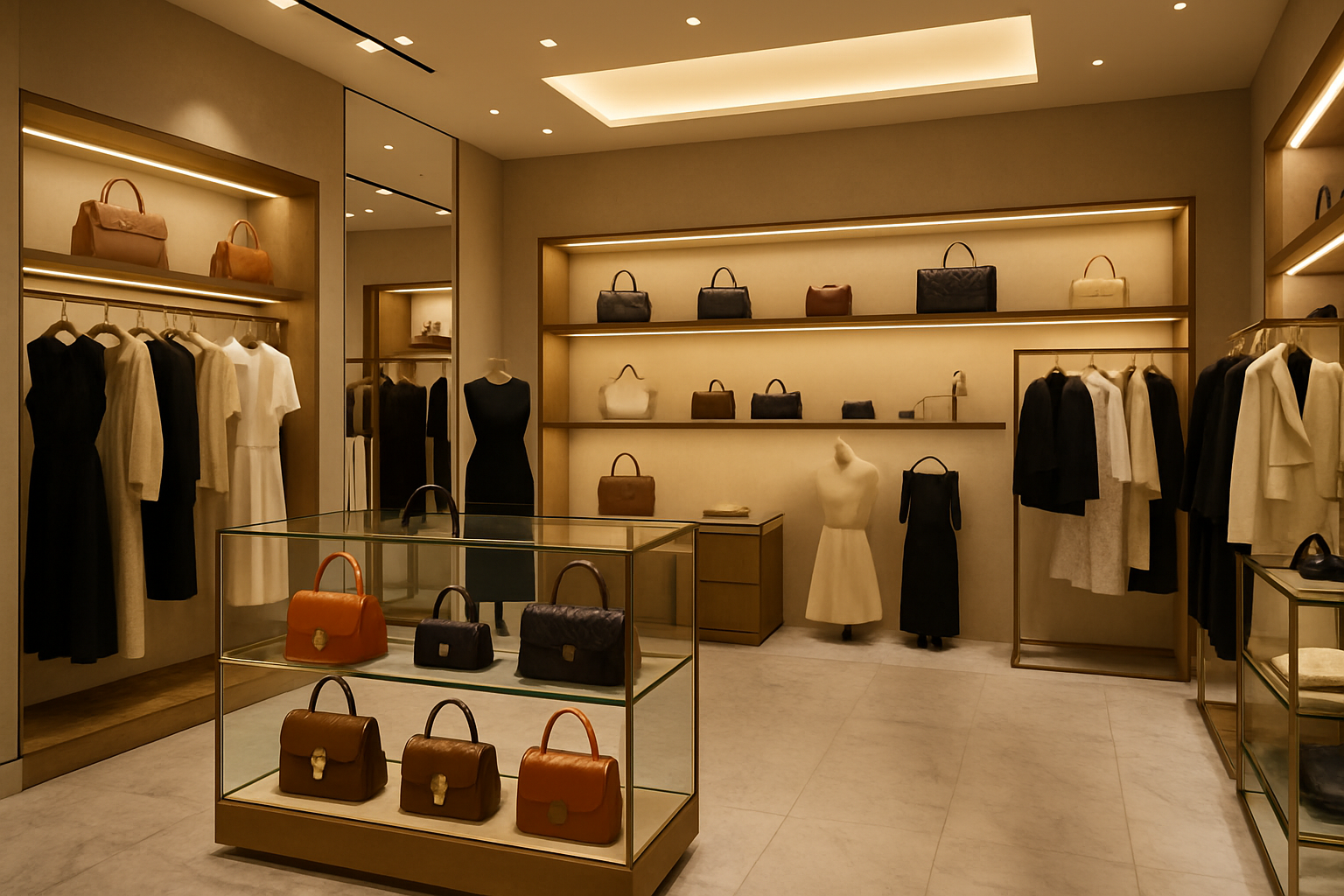
The luxury goods sector is navigating a complex recovery landscape as mixed performance signals emerge across major European markets, with Kering's Gucci brand showing early signs of stabilization despite continued revenue declines that have sent ripple effects throughout the industry.
French luxury conglomerate Kering, owner of the iconic Gucci brand, has become the focal point of investor attention as the company reports what analysts describe as a "fragile recovery" following months of declining sales. According to reports from multiple European markets, Gucci's revenue fell by 10% in the final quarter of 2025, a significant improvement compared to the 22% decline experienced during the first nine months of the year.
Stabilization Efforts Under New Leadership
The gradual improvement in Gucci's performance reflects the strategic stabilization efforts implemented under the leadership of Luca de Meo, whose turnaround initiatives are beginning to show measurable results. Industry analysts point to this quarter-over-quarter improvement as evidence that the luxury brand's repositioning strategy may be gaining traction, despite the continued negative growth trajectory.
The stabilization efforts have encompassed multiple areas including product portfolio refinement, supply chain optimization, and targeted marketing campaigns aimed at reconnecting with core luxury consumers. These initiatives represent a comprehensive approach to addressing the challenges that have affected Gucci's performance throughout 2025.
Market Response and Investor Sentiment
Despite the continued revenue declines, investor sentiment toward Kering and the broader luxury sector has shown marked improvement. European luxury stocks experienced significant gains following Kering's quarterly announcement, with the company's shares rising by double-digit percentages. This positive market response reflects investor confidence in the company's strategic direction and optimism about future performance.
The broader luxury sector has benefited from this renewed investor confidence, with luxury stocks across Europe experiencing what market analysts describe as sector-wide momentum. This demonstrates the interconnected nature of luxury brand performance and investor perception within the European market.
Broader Industry Context
Kering's mixed performance mirrors broader challenges facing the luxury goods industry as consumer spending patterns continue to evolve in the post-pandemic environment. The sector has faced headwinds from changing consumer preferences, economic uncertainties, and shifting demographic trends that have particularly affected traditional luxury categories.
Industry experts note that the luxury sector's recovery has been uneven, with some brands and categories showing resilience while others continue to struggle with declining demand. This divergent performance pattern has created opportunities for strategic repositioning and market share consolidation among established players.
Regional Market Dynamics
The European luxury goods market has shown varying performance across different regions, with some markets demonstrating greater resilience than others. Consumer behavior analysis indicates that luxury spending has become more selective, with customers increasingly focusing on value proposition and brand authenticity rather than traditional prestige markers.
This shift has prompted luxury brands to reassess their market strategies, emphasizing quality craftsmanship, heritage storytelling, and exclusive customer experiences as key differentiators in an increasingly competitive marketplace.
Strategic Implications for the Sector
The mixed signals from Kering's performance highlight the complex dynamics facing luxury goods companies as they navigate evolving market conditions. The company's ability to reduce the rate of decline while maintaining investor confidence suggests that strategic patience and consistent execution may be key factors for sector recovery.
Industry observers emphasize that sustainable recovery in the luxury sector will likely require continued adaptation to changing consumer preferences, strategic investment in digital capabilities, and careful management of brand positioning to maintain exclusivity while expanding market reach.
Future Outlook
As the luxury goods sector continues its gradual recovery, Kering's experience provides valuable insights into the challenges and opportunities facing established luxury brands. The company's progress toward stabilization, while modest, represents a crucial step in rebuilding consumer confidence and market position.
Market analysts suggest that continued improvement in quarterly performance metrics, combined with sustained investor support, could position Kering and similar luxury brands for stronger growth as global economic conditions stabilize and consumer spending patterns normalize.
The luxury goods industry's path forward will likely depend on companies' ability to balance traditional brand values with innovative approaches to customer engagement, product development, and market expansion, as demonstrated by Kering's ongoing transformation efforts.