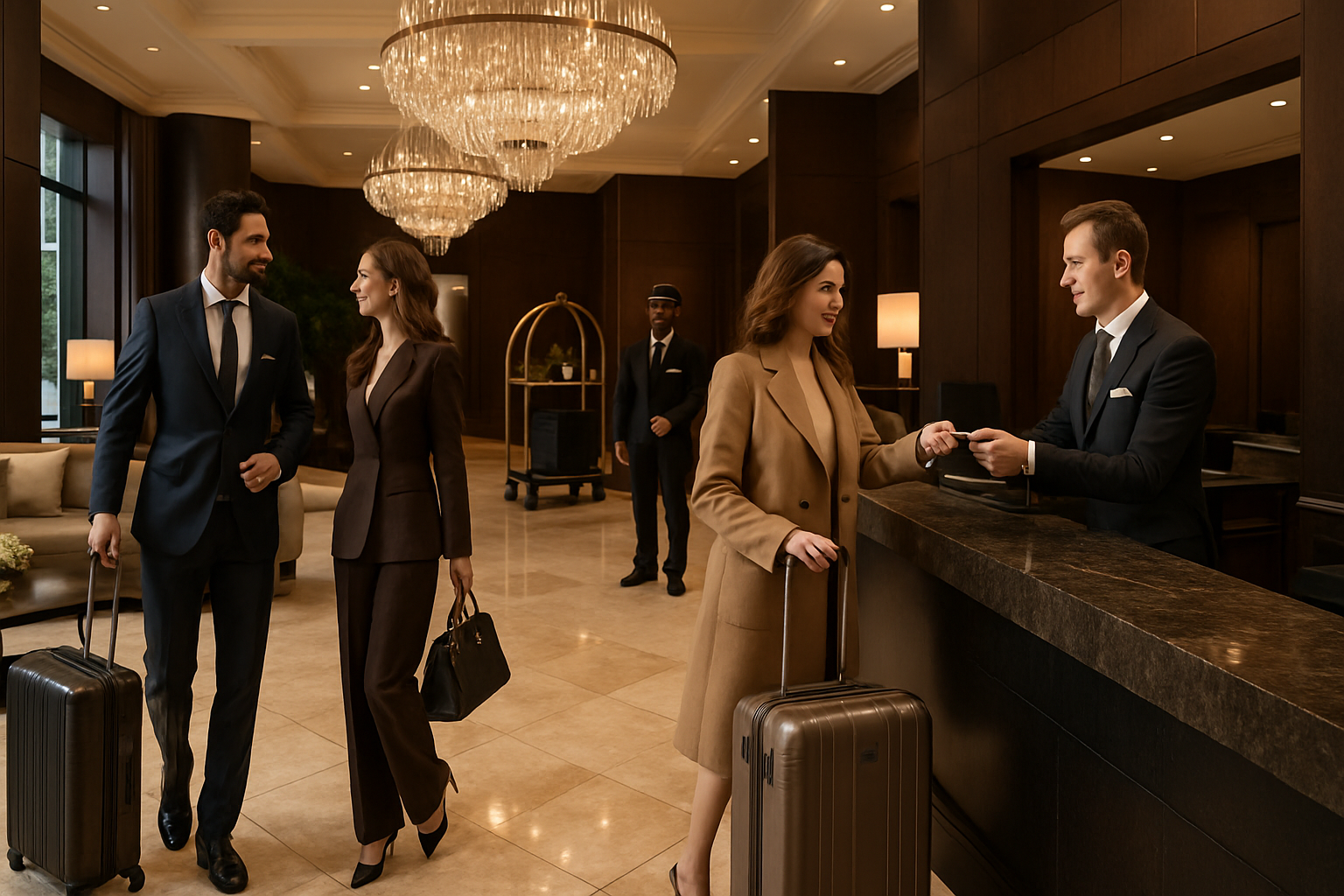
The luxury travel sector is experiencing unprecedented growth as premium hospitality brands and destinations expand their exclusive services to cater to affluent travelers demanding sophisticated, personalized experiences that transcend traditional tourism offerings.
Three major developments this week illustrate the dramatic transformation occurring within the high-end tourism industry, as brands position themselves to capture the growing market of affluent travelers seeking unique, premium experiences.
Virtuoso Partnership Elevates Cyprus Destination
Cap St Georges Hotel & Resort in Cyprus has achieved acceptance into Virtuoso's exclusive portfolio of luxury travel partners, joining an elite network of over 2,200 preferred suppliers across 100 countries. This strategic partnership positions the Mediterranean destination to access Virtuoso's network of more than 20,000 luxury travel advisors and their highly desirable clientele.
According to Panayiotis Markou, Director of Sales & Marketing at Cap St Georges Hotel & Resort, inclusion in Virtuoso will present significant new sales and marketing opportunities. The network's agencies worldwide sell an average of $25-30 billion annually, making Virtuoso the most influential player in global luxury travel.
"Virtuoso's acceptance process is incredibly selective, so becoming a preferred partner is a true honor. The reputation Virtuoso member agencies have for outstanding dedication to their clients is a perfect fit with our own bespoke approach to service."
— Constantinos Malaou, Director of Business Development, Cap St Georges Hotel & Resort
Porsche Design Tower Bangkok Showcases Ultra-Luxury Real Estate
The luxury travel landscape is expanding beyond traditional hospitality into ultra-premium residential tourism, exemplified by the Porsche Design Tower Bangkok's showcase at the Singapore Yachting Festival 2026. This unique project blends high-performance automotive engineering with architectural permanence, representing a new category of luxury real estate that transcends conventional offerings.
Taking place from April 23-26 at ONE°15 Marina Sentosa Cove, the festival provides an exceptional platform for showcasing projects that appeal to the most affluent international travelers and investors. The tower represents the convergence of luxury automotive culture with premium hospitality experiences, targeting ultra-high-net-worth individuals seeking exclusive lifestyle investments.
Leadership Appointments Signal Industry Confidence
The appointment of Louis Chang as Chief Operating Officer at Lanson Place Hospitality Management Limited demonstrates the luxury hospitality sector's continued expansion and sophistication. Chang brings extensive experience as the former Owners' Representative for New World Development Company, overseeing a portfolio of 21 luxury hotels across Greater China and Southeast Asia.
His previous roles include five years as Operations Controller for Mandarin Oriental Hotel Group and more than two decades in senior finance leadership positions with Hyatt Asia Pacific. This level of executive movement indicates the industry's confidence in long-term growth prospects and the increasing complexity of luxury hospitality operations.
Global Context: Quality Over Volume Revolution
These developments occur within a broader transformation of the global tourism industry, which has shifted dramatically toward quality-focused strategies over volume-based approaches. Industry data reveals that Generation Z travelers, representing 50% of multiple annual trip-makers, are driving demand for authentic cultural experiences enhanced by technology and premium service levels.
The luxury travel sector is benefiting from unprecedented infrastructure investment, with over $570 billion allocated globally in 2026 to enhance comprehensive visitor services. This includes everything from healthcare networks to digital management systems that elevate the guest experience while preserving cultural authenticity.
Regional Competition and Market Dynamics
The Mediterranean region, where Cap St Georges operates, continues demonstrating exceptional resilience despite global uncertainties. Cyprus achieved record tourism performance in 2025 with 4.5 million visitors generating €3.6 billion in revenue, with per-person expenditure increasing 4.6%, reflecting successful quality-focused tourism strategies.
Meanwhile, Asian markets are showing remarkable strength, with Chinese travelers identified as the highest-spending airport passengers in the Asia-Pacific region, outspending the regional average by 100% on luxury goods. This trend is driving premium positioning strategies across hospitality brands seeking to capture affluent Asian travelers.
Technology Enhancement Without Cultural Compromise
Modern luxury travel increasingly emphasizes the integration of sophisticated technology that enhances rather than replaces authentic cultural experiences. Successful destinations are implementing AI-integrated travel planning while maintaining cultural authenticity, creating seamless experiences that serve the most discerning travelers.
Examples include Rome's Trevi Fountain managed access system, which generates €6 million annually through €2 entry fees while protecting the historic site, and Venice's expanded entry fee system covering 60 days in 2026 versus 29 days in the 2024 pilot program.
Climate Resilience and Sustainable Luxury
With January 2026 marking the 18th consecutive month of global temperatures exceeding 1.5°C above pre-industrial levels, luxury destinations are prioritizing climate-resilient infrastructure as essential for competitiveness. Successful luxury brands are adapting through enhanced facilities, alternative transportation options, and seasonal diversification strategies.
Croatia leads European innovation with 62 tourist medical clinics representing Europe's most extensive seasonal healthcare network, demonstrating how premium destinations provide comprehensive support services that justify higher price points while ensuring visitor satisfaction.
Economic Multiplier Effects
The luxury tourism sector generates substantial economic multiplier effects extending beyond immediate hospitality revenue. These developments support infrastructure improvements, cultural industry development, artisan networks, and year-round employment creation, particularly important for smaller destinations like Cyprus seeking sustainable economic diversification.
Regional cooperation is replacing individual competition, with coordinated marketing initiatives, collaborative infrastructure development, and multi-destination experiences benefiting entire regions while maintaining unique cultural identities that attract luxury travelers seeking authentic experiences.
Looking Forward: Sustainable Luxury Tourism
The developments highlighted this week represent a fundamental maturation of the luxury travel industry toward sustainable, community-focused development models. Success factors consistently include cultural authenticity preservation, strategic technology integration, meaningful community involvement, international cooperation, and adaptive management responding to evolving consumer preferences.
As the industry continues evolving from volume-based to value-based approaches, luxury brands and destinations that successfully balance economic objectives with community benefits, cultural preservation, and environmental responsibility position themselves for long-term competitiveness in an increasingly sophisticated global marketplace.
The luxury travel renaissance of 2026 establishes new standards for premium hospitality that prioritize authentic experiences, comprehensive service, and sustainable development - principles that will likely define the sector for decades ahead.