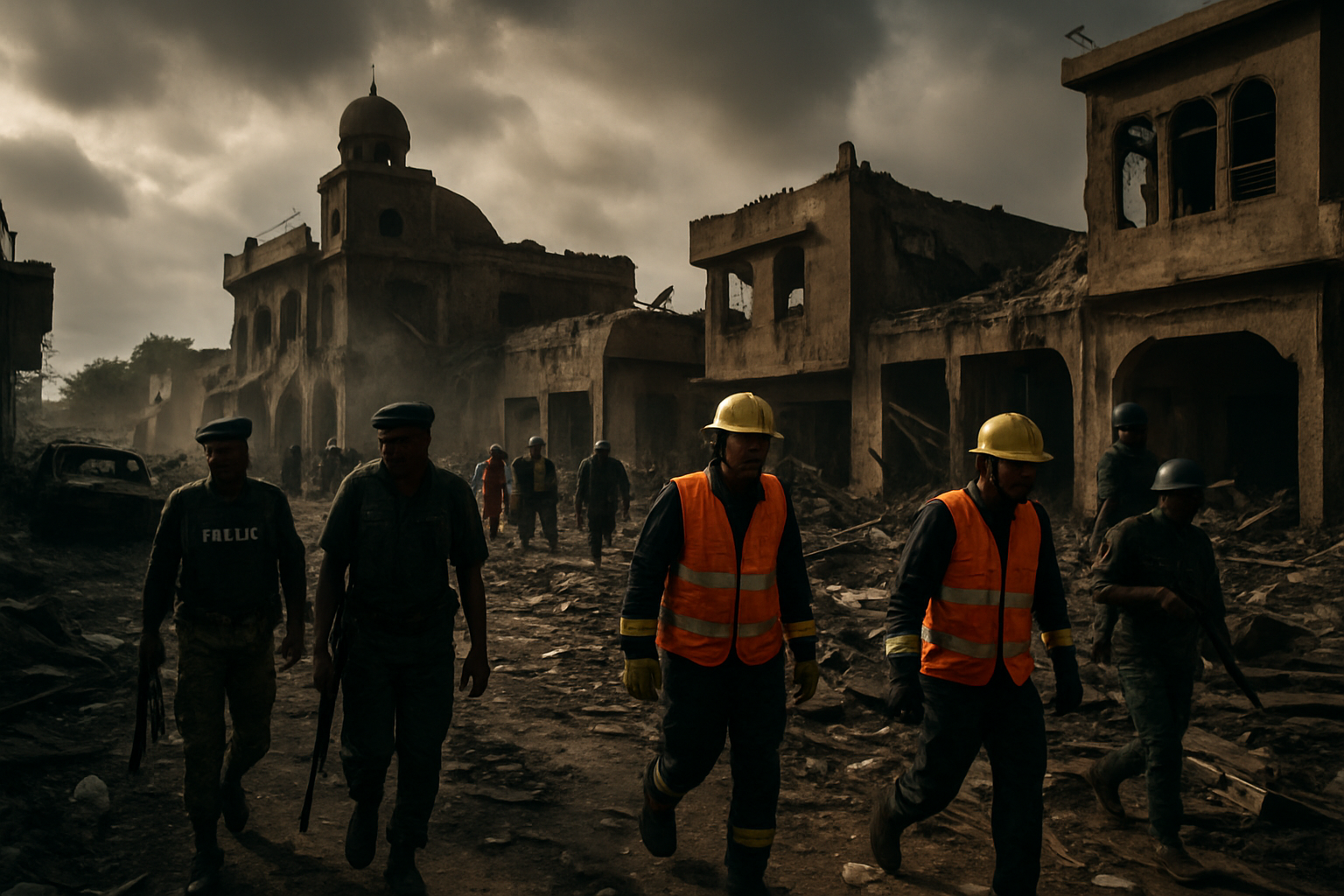
Coordinated suicide bombings tore through Nigeria's northeastern city of Maiduguri on March 17, 2026, killing at least 23 people and wounding more than 100 others in one of the most devastating attacks on the Borno State capital in years.
The deadly explosions occurred in multiple locations across the city during evening hours, targeting busy markets and residential areas where civilians had gathered. The attacks have shattered years of relative calm in what serves as Nigeria's primary counter-terrorism hub in the fight against insurgent groups.
Coordinated Terror Assault
According to multiple sources, suspected suicide bombers launched coordinated blasts that struck a busy market and other densely populated areas of Maiduguri. The attacks bore the hallmarks of sophisticated terrorist operations, with multiple explosions occurring in quick succession to maximize casualties.
The timing and coordination of the attacks suggest extensive planning and intelligence gathering by the perpetrators. Maiduguri, as the capital of Borno State, has long been a strategic target for terrorist groups operating in Nigeria's northeast region.
Casualties and Emergency Response
Medical facilities across Maiduguri were overwhelmed as emergency responders rushed to treat the wounded. At least 23 people were confirmed dead, with casualty figures expected to rise as rescue operations continue and medical teams assess the full extent of injuries.
More than 100 people sustained injuries of varying severity, with many requiring emergency surgery and intensive care. Local hospitals activated emergency protocols to handle the mass casualty incident, with medical staff working around the clock to save lives.
"This represents one of the worst attacks we have seen in Maiduguri in recent years. The coordinated nature of these bombings shows the perpetrators had detailed planning and local knowledge."
— Security Source, speaking on condition of anonymity
Strategic Significance of Maiduguri
The attack on Maiduguri carries particular significance given the city's role as Nigeria's primary counter-terrorism operations center. The city serves as the headquarters for military operations against Boko Haram and other insurgent groups that have plagued the region for over a decade.
For years, Maiduguri had experienced relative stability compared to the height of the insurgency crisis. The city became a symbol of resilience and recovery, hosting hundreds of thousands of internally displaced persons who had fled violence in surrounding rural areas.
The successful penetration of the city's security perimeter represents a concerning escalation in the capabilities of terrorist networks operating in the region. Intelligence sources suggest the attacks required extensive surveillance and coordination that indicates sophisticated organizational capacity.
Pattern of Expanding Violence
The Maiduguri bombings occur within a broader context of escalating security challenges across Nigeria. Recent months have witnessed a concerning expansion of terrorist activities beyond traditional northeastern strongholds into previously stable regions of the country.
This includes the devastating February 2026 Kwara State massacre where Islamic State-affiliated Lakurawa militants killed over 170 people in coordinated village attacks. The geographic spread of such sophisticated operations demonstrates the evolving threat landscape facing Nigerian security forces.
Military sources indicate that despite sustained counter-terrorism operations that have eliminated hundreds of militants in recent months, terrorist networks retain the capacity to conduct complex urban attacks. The targeting of civilian infrastructure and population centers represents a tactical shift designed to maximize psychological impact.
Security Response and Investigation
Nigerian security forces immediately cordoned off the attack sites and launched comprehensive investigations into the bombings. Explosive clearance teams were deployed to secure the areas and search for any additional devices that might pose continuing threats to public safety.
Enhanced security measures were implemented across Maiduguri and other major northeastern cities as authorities worked to prevent potential follow-up attacks. The investigation is treating the incident as a sophisticated terrorist operation requiring coordinated intelligence gathering and operational planning.
President Bola Tinubu's administration faces mounting pressure to address the persistent security challenges that continue to plague Africa's most populous nation. The attack represents a significant test of Nigeria's counter-terrorism strategy and inter-agency coordination capabilities.
Humanitarian Impact
Beyond the immediate casualties, the Maiduguri attacks have created a broader humanitarian crisis for the city's residents and displaced populations. Many families who had begun rebuilding their lives after years of conflict now face renewed trauma and uncertainty.
The bombings occurred during a time when thousands of internally displaced persons were beginning to consider returning to their home communities, viewing Maiduguri's stability as a positive sign. The attacks threaten to reverse progress in confidence-building and reconstruction efforts.
Educational and healthcare facilities in the affected areas have suspended operations while security assessments are conducted. This disrupts essential services for vulnerable populations who depend on these institutions for basic needs.
Regional and International Implications
The sophisticated nature of the Maiduguri attacks raises concerns about the evolving capabilities of terrorist networks operating across West Africa. Intelligence indicates increasing coordination between various extremist groups, sharing tactical knowledge and operational resources across national boundaries.
Nigeria's security challenges have broader implications for regional stability, given the country's role as West Africa's largest economy and most populous nation. Continued instability threatens trade routes, development cooperation, and humanitarian access across the subregion.
International partners, including the African Union and ECOWAS, have expressed concern about the escalating violence and offered continued support for counter-terrorism efforts. However, addressing the root causes of extremism requires comprehensive approaches beyond immediate military responses.
Looking Forward
As Maiduguri begins the difficult process of recovery from these devastating attacks, the incident serves as a stark reminder of the persistent security challenges facing Nigeria. The ability of terrorist networks to penetrate one of the country's most protected cities demonstrates the complex nature of the threats involved.
Effective responses will require not only enhanced security measures but also sustained efforts to address underlying factors that enable extremist recruitment and operations. This includes economic opportunity creation, educational access, good governance, and community engagement initiatives.
The resilience of Maiduguri's residents, who have endured years of conflict while maintaining their communities and culture, provides hope for eventual recovery. However, the path forward requires sustained commitment from government institutions, international partners, and civil society to prevent such tragedies from recurring.