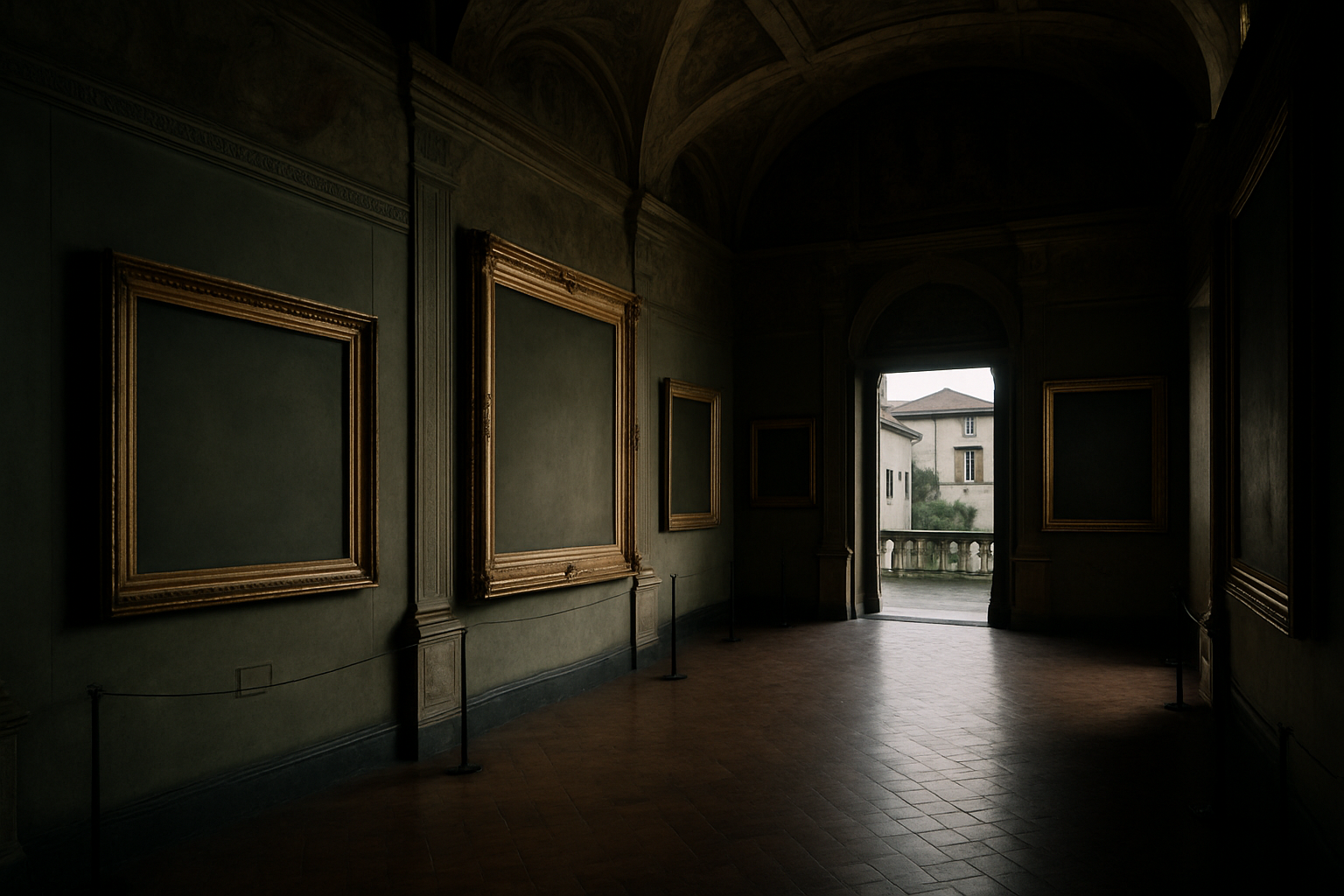
A meticulously planned art heist has shaken Italy's cultural heritage community, with four masked intruders stealing three masterpieces by French impressionist and post-impressionist masters from the prestigious Fondazione Magnani-Rocca in northern Italy.
The theft occurred during the night of March 22-23, 2026, at the foundation's villa in Mamiano di Traversetolo, near Parma, but remained undetected for nearly a week before being announced publicly on March 29. The stolen works include Pierre-Auguste Renoir's "Les Poissons" (The Fish), painted around 1917, Paul Cézanne's "Still Life with Cherries" from 1885-1887, and Henri Matisse's "Odalisque on the Terrace" – collectively valued at tens of millions of euros.
Professional Operation Demonstrates Inside Knowledge
According to Italian investigators from the Carabinieri Cultural Heritage Protection Unit, the thieves demonstrated intimate knowledge of the museum's security systems and layout, suggesting extensive reconnaissance and possibly inside assistance. The entire operation was completed in just three minutes, with the intruders bypassing less valuable works to target specific French Impressionist and Post-Impressionist pieces.
"This was clearly a professional operation carried out by individuals with sophisticated knowledge of both the collection and the security infrastructure," a source close to the investigation told local media. "The precision and speed suggest this was planned over an extended period."
Stolen Masterpieces of Immense Value
The centerpiece of the theft is Renoir's "Les Poissons," an oil on canvas work that represents one of the rare examples of the impressionist master's work permanently housed in an Italian collection. Created in 1917, near the end of Renoir's career, the painting holds both artistic and historical significance as part of Italy's limited holdings of French Impressionist art.
Cézanne's "Still Life with Cherries," dating from 1885-1887, exemplifies the artist's revolutionary approach to form and color that would later influence the development of modern art. Matisse's "Odalisque on the Terrace" represents the French artist's fascination with Orientalist themes and his mastery of color and composition.
"These works are irreplaceable treasures that represent not just monetary value but centuries of artistic heritage. Their theft is a loss to all of humanity."
— Cultural Heritage Official, Carabinieri Protection Unit
Security Vulnerabilities Exposed During Cultural Renaissance
The theft has exposed critical vulnerabilities in cultural heritage protection during what experts have termed the "2026 Cultural Renaissance" – a period of unprecedented European cultural activity and increased accessibility initiatives. The Magnani-Rocca Foundation, housed in a historic villa, had implemented standard security measures, but these proved insufficient against the sophisticated operation.
The timing of the theft is particularly significant, occurring during a period when cultural institutions across Europe have been balancing increased public access with security requirements. The foundation's temporary closure for security assessment reflects broader concerns about protecting cultural heritage while maintaining community engagement.
International Recovery Efforts Launched
The stolen works have been entered into international databases including Interpol, the FBI Art Crime Team registry, and the Art Loss Register, triggering a coordinated global recovery effort. Art recovery specialists note that the professional nature of the theft suggests an extended investigation timeline, as such operations typically involve international networks and sophisticated hiding mechanisms.
The case has prompted a reassessment of security protocols across European cultural institutions, with many museums reviewing their balance between public accessibility and protection requirements. The theft represents one of the most significant European art heists in recent history, highlighting the ongoing challenges facing cultural heritage protection in an era of increased international mobility and technological sophistication.
Historical Context and Ongoing Investigation
This latest theft adds to a concerning pattern of high-profile cultural heritage crimes affecting major European institutions. The case recalls previous sophisticated operations that have targeted museums across the continent, often involving works by French masters that command premium prices in illicit markets.
The investigation continues under the specialized Carabinieri Cultural Heritage Protection Unit, with international cooperation networks activated to track the movement of the stolen works. Recovery efforts face significant challenges given the professional execution of the theft and the high-value nature of the stolen pieces, which make them attractive to private collectors willing to operate outside legitimate markets.
As the investigation unfolds, the Magnani-Rocca Foundation remains closed while security improvements are implemented. The theft serves as a stark reminder of the vulnerabilities facing cultural institutions worldwide and the ongoing need for sophisticated protection measures that preserve accessibility while safeguarding irreplaceable artistic heritage for future generations.