Malaysia's opposition coalition Perikatan Nasional (PN) has completed a comprehensive leadership restructuring that places Terengganu Menteri Besar Datuk Seri Ahmad Samsuri Mokhtar at the helm as the new chairman, while positioning PAS to take control of the Opposition Leader's position in the Dewan Rakyat, marking the most significant political realignment within the coalition since its formation.
The leadership transition, formalized during an extraordinary supreme council meeting at PAS headquarters in Kuala Lumpur on February 22, represents a strategic shift in Malaysia's political landscape as the coalition adapts to internal changes following the expulsion of a key figure from Parti Pribumi Bersatu Malaysia (Bersatu).
New Leadership Structure Takes Shape
In a joint statement signed by coalition leaders—including Bersatu president Tan Sri Muhyiddin Yassin, PAS president Tan Sri Abdul Hadi Awang, Gerakan president Datuk Dominic Lau, and MIPP president P. Punithan—PN officially confirmed that Samsuri was "unanimously appointed" as the new chairman with immediate effect.
The appointment comes after Muhyiddin's resignation as PN chairman, which became effective January 1, 2026. Significantly, Muhyiddin has now been appointed as deputy chairman of the coalition, marking his continued influence within the organization despite stepping down from the top position.
The leadership restructuring has also seen important changes in the supreme council composition. According to PN deputy secretary-general Datuk Seri Takiyuddin Hassan, PAS president Abdul Hadi Awang has chosen to step back from the PN supreme council, opting instead to participate only in the presidential council. "The other deputy positions remain as before, except that the PAS president does not wish to be part of the PN supreme council," Takiyuddin confirmed.
Opposition Leadership Set for Transition
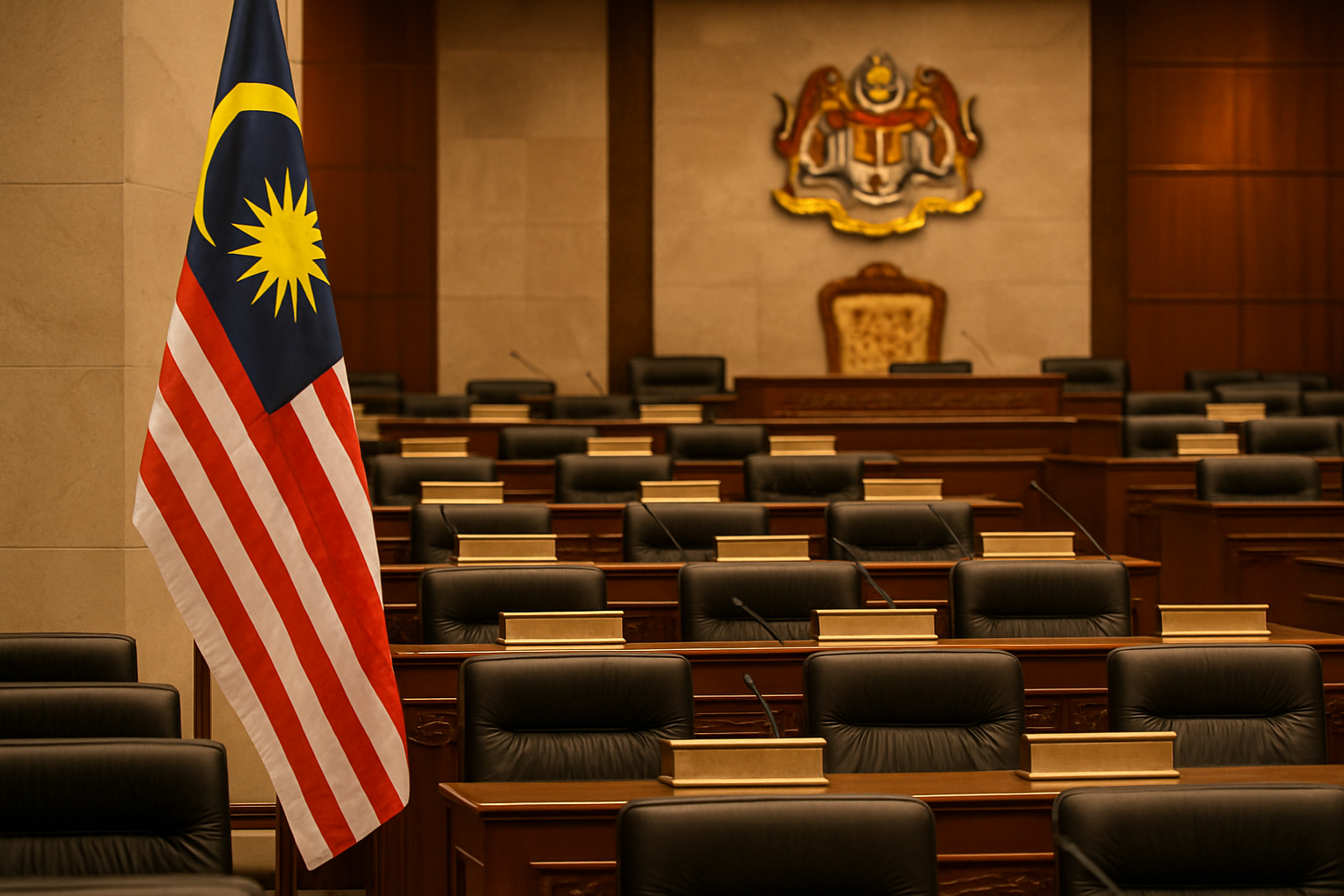
Perhaps the most significant development is PAS's positioning to assume the Opposition Leader role in the Dewan Rakyat, a position previously held by Bersatu. This transition follows the recent expulsion of Datuk Seri Hamzah Zainudin from Bersatu over alleged attacks on party president Muhyiddin Yassin.
Takiyuddin Hassan confirmed that deliberations were ongoing regarding which PAS MP would take the crucial parliamentary role, stating that "all parties need more time to consider the matter and consult other stakeholders." The development represents a major shift in parliamentary dynamics, as PAS prepares to lead the opposition's legislative agenda.
The timing of this transition is particularly significant, as it comes during a period of political turbulence within Bersatu that has seen internal conflicts spill into public view through the expulsion of high-profile members.
Strategic Implications for Malaysian Politics
The elevation of Ahmad Samsuri Mokhtar to the chairmanship brings a different political profile to PN's leadership. As Terengganu's chief minister, Samsuri represents a more regional and administratively-focused approach compared to his predecessor. His unanimous appointment suggests strong consensus within the coalition about the direction forward.
"The council had unanimously appointed YAB Dato' Seri Ir Dr Ahmad Samsuri bin Mokhtar as the new PN chairman, with immediate effect."
— Joint Statement by PN Leaders
The restructuring also reflects PAS's growing influence within the coalition. The Islamic party's positioning to take the Opposition Leader role signals a potential shift in the coalition's parliamentary strategy and public messaging approach.
Internal Dynamics and Party Relations
The changes within PN come at a time when Malaysian politics continues to experience significant flux. The expulsion of Hamzah Zainudin from Bersatu over what the party described as "illegal acts of sabotage" during parliamentary sessions highlights the tensions that can emerge within political coalitions under pressure.
Muhyiddin's transition from chairman to deputy chairman appears designed to maintain stability while allowing for fresh leadership. His continued presence in a senior role suggests that the coalition values his experience and political capital, even as it adapts to changing circumstances.
The decision by Abdul Hadi Awang to step back from the supreme council while remaining in the presidential council may reflect a strategic repositioning that allows PAS to take a more prominent operational role while maintaining senior spiritual and ideological guidance.
Parliamentary and Electoral Implications
The potential transition of the Opposition Leader role to PAS carries significant implications for Malaysia's parliamentary dynamics. As the Opposition Leader, the PAS representative would be responsible for coordinating opposition responses to government policies, leading parliamentary debates, and serving as the primary alternative voice in national politics.
This development could also impact the coalition's electoral strategy for future polls. PAS's more prominent role may influence how PN positions itself with different voter segments, particularly given the Islamic party's distinct political identity within the broader coalition.
Regional Political Context
The PN restructuring occurs within a broader context of political realignment across Southeast Asia, where opposition coalitions are adapting to changing political landscapes and internal pressures. The Malaysian developments reflect common challenges facing multi-party coalitions in maintaining unity while managing diverse political interests and leadership ambitions.
The emphasis on unanimous decision-making in Samsuri's appointment suggests an effort to project unity and stability despite the underlying tensions that led to these changes. The coalition's ability to manage this transition smoothly may influence its credibility as an alternative government.
Looking Forward
As PN implements these leadership changes, the coalition faces the challenge of maintaining political momentum while adapting to new internal dynamics. The success of the restructuring will likely be measured by the coalition's ability to present a united front in parliament and maintain its position as Malaysia's primary opposition force.
The appointment of Ahmad Samsuri Mokhtar as chairman brings both opportunities and challenges. His administrative experience as a state leader may strengthen the coalition's governance credentials, but he will need to demonstrate his ability to manage national-level politics and coalition dynamics.
The transition also raises questions about how the restructured PN will approach key policy issues and whether the greater prominence of PAS will influence the coalition's overall political positioning on social, economic, and international matters.
As Malaysia's political landscape continues to evolve, the Perikatan Nasional leadership restructuring represents a significant moment in the country's democratic development, with implications that extend beyond the immediate coalition dynamics to the broader trajectory of Malaysian politics.