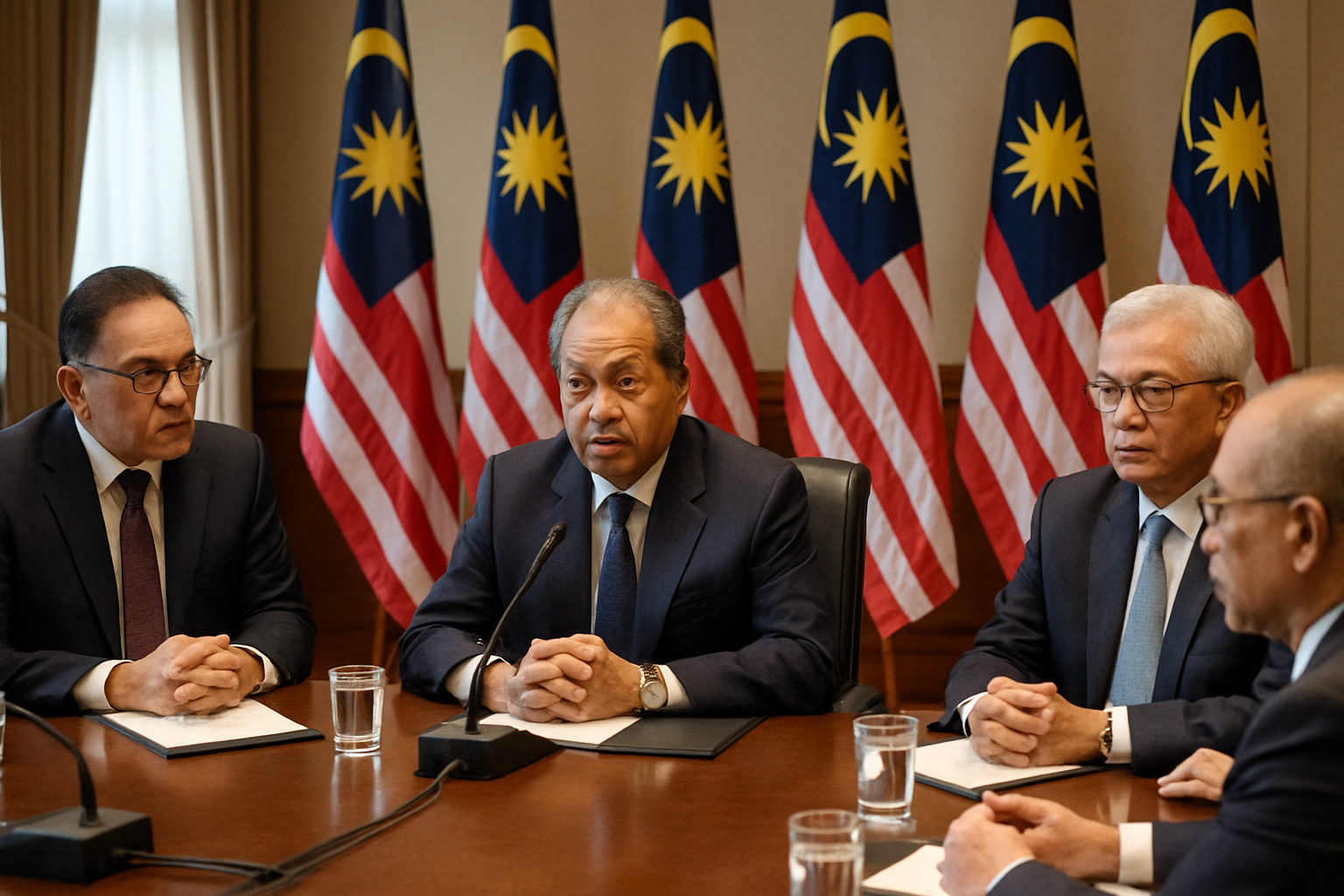
In a dramatic political realignment that underscores the shifting dynamics within Malaysia's opposition, 19 Members of Parliament expelled from Bersatu have publicly pledged their support to Datuk Seri Ahmad Samsuri Mokhtar, the newly appointed Perikatan Nasional (PN) chairman from PAS.
The unprecedented move comes just two weeks after former Bersatu deputy president Datuk Seri Hamzah Zainudin and 18 allied MPs were terminated from the party in what observers characterized as a systematic purge by then-party president Tan Sri Muhyiddin Yassin. The expulsions have fundamentally altered the balance of power within Malaysia's opposition coalition and positioned PAS to assume greater prominence in parliamentary leadership roles.
Historic Leadership Transition
Ahmad Samsuri Mokhtar's appointment as PN chairman on February 22, 2026, marked the most significant realignment within the opposition coalition since its formation. The Terengganu Menteri Besar's unanimous selection to replace Muhyiddin Yassin, who transitioned to deputy chairman, reflects PAS's growing influence within the coalition structure.
In their joint statement, the 19 expelled MPs, including prominent figures such as Datuk Seri Ronald Kiandee and Datuk Saifuddin Abdullah, declared their confidence in the coalition's leadership choice. "We record our highest congratulations to Datuk Seri Dr Ahmad Samsuri Mokhtar on his appointment as the new chairman of Perikatan Nasional, and we give our full support," the statement read.
The Bersatu Purge and Its Aftermath
The expulsion of Hamzah and his allies represented one of the most dramatic internal conflicts within Bersatu since the party's establishment. Sources within the party indicated that tensions had been building for months over strategic direction and leadership style, with the ousted faction allegedly critical of Muhyiddin's approach to opposition politics.
The timing of the expulsions, coinciding with the broader PN leadership restructuring, suggests a coordinated effort to consolidate power and eliminate dissenting voices. This internal purge has inadvertently strengthened PAS's position within the coalition, as the expelled MPs' public support for Samsuri demonstrates their willingness to work with the Islamic party's leadership structure.
Parliamentary Implications
The political realignment carries significant implications for Malaysia's parliamentary dynamics. With Hamzah's expulsion from Bersatu creating a vacuum in the Opposition Leader position in the Dewan Rakyat, discussions are ongoing within PN leadership about which PAS MP might assume this crucial parliamentary role.
Takiyuddin Hassan, PN's deputy secretary-general, confirmed that deliberations regarding the Opposition Leader transition remain active. The shift would mark a historic moment, transferring the primary opposition voice in Parliament from a multiracial party to one with a distinct Islamic political identity.
"This represents the most significant PN realignment since formation, reflecting PAS's growing influence within the coalition while maintaining its ideological guidance role."
— Political Analyst Assessment
Strategic Implications for Malaysian Politics
The realignment extends beyond internal coalition politics to broader questions about Malaysia's democratic landscape. PAS's elevated role within PN could influence the coalition's electoral strategy and positioning with different voter segments, given the party's distinct Islamic political identity and historical base in specific Malaysian states.
The expelled MPs' decision to publicly support Samsuri rather than attempt reconciliation with Bersatu leadership suggests a fundamental break with their former party's direction. This unprecedented show of cross-party support within the opposition coalition demonstrates the complex nature of Malaysian political alliances, where personal relationships and strategic calculations often transcend strict party lines.
Coalition Dynamics and Future Challenges
The success of this political realignment will ultimately be measured by PN's ability to present a united front in Parliament and maintain credibility as an alternative government. With 19 experienced MPs now operating outside their original party structure, questions arise about their long-term political allegiances and the coalition's organizational coherence.
Administrative experience from Samsuri's state leadership in Terengganu may strengthen PN's governance credentials, addressing long-standing criticism about the coalition's readiness to govern. However, the integration of expelled Bersatu members into PAS-led structures while maintaining diverse political perspectives presents ongoing challenges.
Regional Context and Implications
This political realignment occurs within broader Southeast Asian patterns of coalition politics and party restructuring. The peaceful nature of the transition, despite internal conflicts, demonstrates Malaysia's democratic institutions' capacity to accommodate significant political changes without systemic disruption.
The developments also reflect common challenges that multi-party coalitions face worldwide in maintaining unity while managing diverse interests and ambitions. Success will depend on the coalition's ability to balance PAS's increased influence with the need to appeal to Malaysia's diverse electorate.
Looking Forward
As Malaysia's political landscape continues to evolve, the expelled Bersatu MPs' support for PAS leadership represents a significant test of the opposition coalition's adaptability and resilience. The realignment may ultimately strengthen PN by eliminating internal divisions, but it also raises questions about ideological coherence and electoral viability.
The coming months will reveal whether this political restructuring enhances the coalition's effectiveness or creates new fractures within Malaysia's opposition movement. What remains clear is that the events of February 2026 have fundamentally altered the trajectory of Malaysian politics, with implications that will likely influence the country's democratic development for years to come.