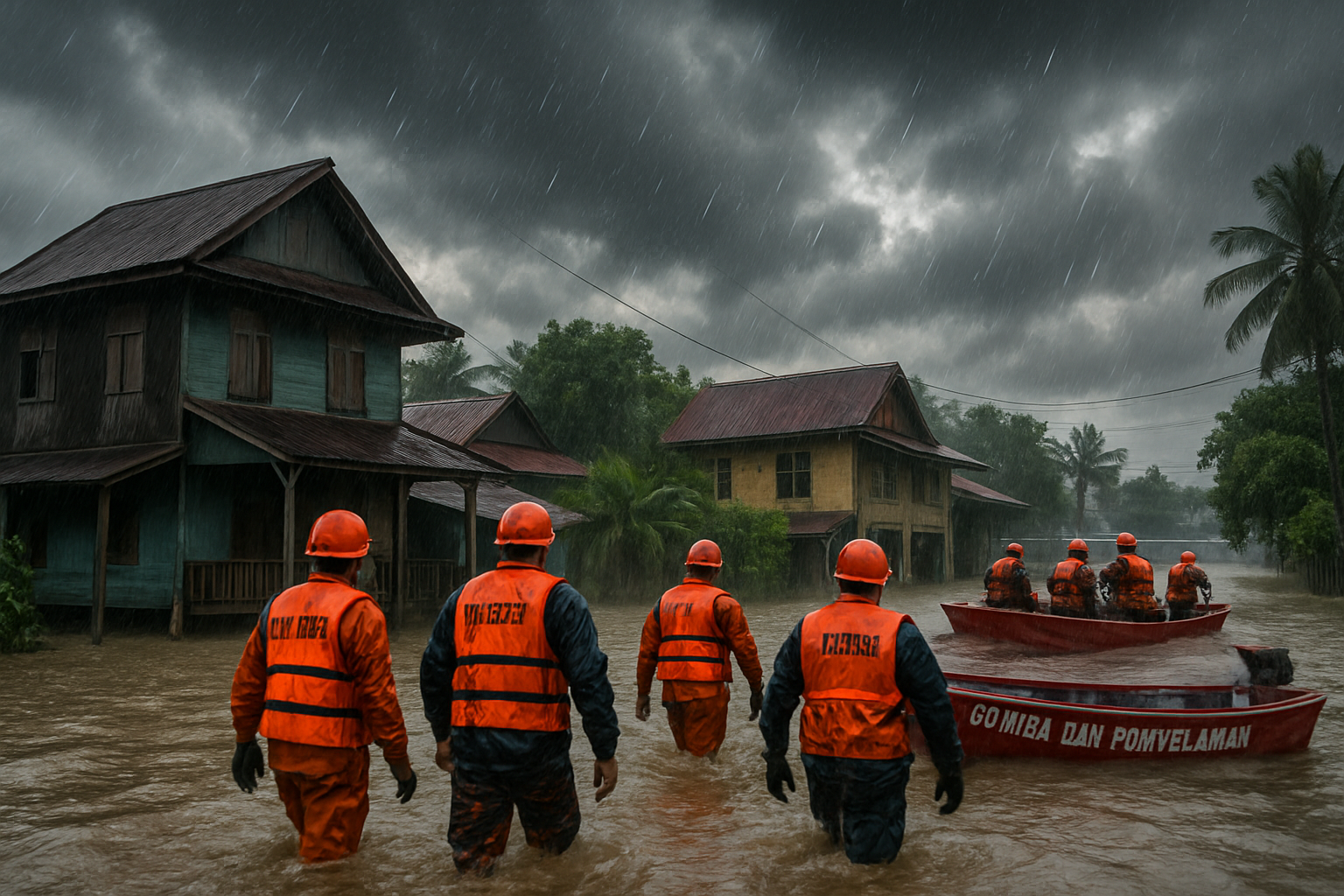
Malaysian authorities have activated comprehensive emergency response measures as severe weather warnings and flooding impact multiple states, with the Sarawak Fire and Rescue Department (Bomba) conducting proactive flood monitoring operations while MetMalaysia issues severe continuous rain alerts for several Sabah districts.
The Malaysian Meteorological Department (MetMalaysia) issued severe and alert-level continuous rain warnings across multiple areas in Sabah on February 20, with Director-General Dr. Mohd Hisham Mohd Anip announcing severe-level warnings for Sandakan (Beluran) and Kudat (Kota Marudu and Pitas) areas. Alert-level continuous rain warnings have been issued for the West Coast (Ranau and Kota Belud), Sandakan (Telupid and Sandakan), and Kudat districts.
Active Flooding Crisis in Sabah Districts
Continuous rainfall since February 19 has resulted in significant flooding across three Sabah districts, forcing the opening of emergency relief centers and triggering large-scale evacuations. The Sabah State Disaster Management Secretariat confirmed that 213 flood victims from 63 families have been relocated to a temporary relief center at Sekolah Menengah Kebangsaan Tandek 2 in Kota Marudu.
According to flood notifications issued by District Officers serving as chairmen of the District Disaster Management Committees, the affected districts include Pitas and Paitan, alongside Kota Marudu. The Sabah Fire and Rescue Department Operations Centre reported a flash flood incident in Taman Merpati Batu 7, Sandakan, early on February 19, with the Sandakan Fire and Rescue Station receiving an emergency call at 4:52 AM.
Proactive Monitoring Operations in Sarawak
In neighboring Sarawak, the Fire and Rescue Department has implemented proactive flood monitoring strategies, conducting operations in high-risk areas identified through comprehensive risk assessment. A specialized team from the Batu Lintang fire station was dispatched at 9:30 AM on February 20 to monitor conditions in Kampung Sinar Budi Baru, Kampung Sungai Maong, Batu Kawa, and Batu regions around Kuching.
These preventive measures demonstrate Malaysia's enhanced emergency preparedness following lessons learned from previous flooding incidents. The monitoring operations aim to provide early warning capabilities and rapid response deployment should conditions deteriorate in vulnerable communities.
Emergency Evacuations and Relief Operations
Severe flooding has already necessitated emergency evacuations in the Siburan area of Sarawak, where 15 individuals from two households in Kampung Batu Gong were forced to evacuate following heavy downpours that began Thursday afternoon. The Sarawak Fire and Rescue Department received the distress call at 5:50 AM on February 20, immediately dispatching a specialized team from the Siburan fire station to coordinate the evacuation operation.
The evacuation process demonstrates the coordinated response capabilities of Malaysian emergency services, with fire and rescue teams working closely with local authorities to ensure resident safety during rapidly developing flood conditions. Emergency shelters have been activated to accommodate displaced families while flood waters recede and damage assessments are conducted.
Meteorological Context and Regional Impact
The current severe weather episode occurs within the broader context of intensifying weather patterns across the Asia-Pacific region during February 2026. Historical meteorological data indicates Malaysia has experienced increasing frequency of extreme weather events, with the current system affecting multiple states simultaneously representing a significant challenge for emergency management resources.
"The public can obtain the latest weather information through MetMalaysia's official website, the myCuaca mobile application and the department's official social media pages."
— MetMalaysia Communications Department
Citizens are advised to contact the meteorological department's dedicated helpline at 1-300-22-1638 for specific weather inquiries and updates. This comprehensive information dissemination strategy ensures communities have access to real-time weather data essential for making informed safety decisions.
Emergency Coordination and Public Safety Measures
Malaysian authorities have activated established emergency protocols across affected regions, with fire and rescue departments, civil defense agencies, and local government units coordinating response efforts. The systematic approach includes:
- Continuous monitoring of high-risk areas through specialized teams
- Proactive evacuation procedures for vulnerable communities
- Emergency shelter activation and management
- Real-time weather information dissemination
- Inter-agency coordination between federal and state authorities
The response demonstrates Malaysia's commitment to protecting vulnerable populations through evidence-based emergency management, utilizing both traditional monitoring techniques and modern meteorological forecasting capabilities.
Infrastructure and Transportation Impacts
Severe weather conditions have created challenging circumstances for transportation networks and essential infrastructure across affected areas. While specific road closures have not been reported, authorities are monitoring conditions closely and advising residents to exercise extreme caution when traveling through flood-prone areas.
The emergency response includes assessment of critical infrastructure including bridges, drainage systems, and communication networks to ensure continued functionality during adverse weather conditions. Emergency services remain on high alert to respond to any infrastructure-related incidents that may compromise public safety.
Community Preparedness and Recovery Planning
Malaysian emergency management agencies emphasize the importance of community preparedness in mitigating flood impacts. Local communities are advised to maintain emergency supplies, establish family emergency plans, and stay informed about rapidly changing weather conditions through official channels.
Recovery planning processes have been initiated in areas already experiencing flooding, with authorities conducting preliminary damage assessments while continuing to focus on immediate safety concerns. The approach balances urgent response needs with longer-term resilience building to enhance community capacity for future extreme weather events.
As meteorological conditions continue to evolve, Malaysian authorities maintain vigilant monitoring of weather patterns while ensuring emergency response capabilities remain fully activated across affected regions. The coordinated response demonstrates the country's enhanced emergency management capabilities developed through experience with previous weather emergencies and ongoing investment in disaster risk reduction infrastructure.