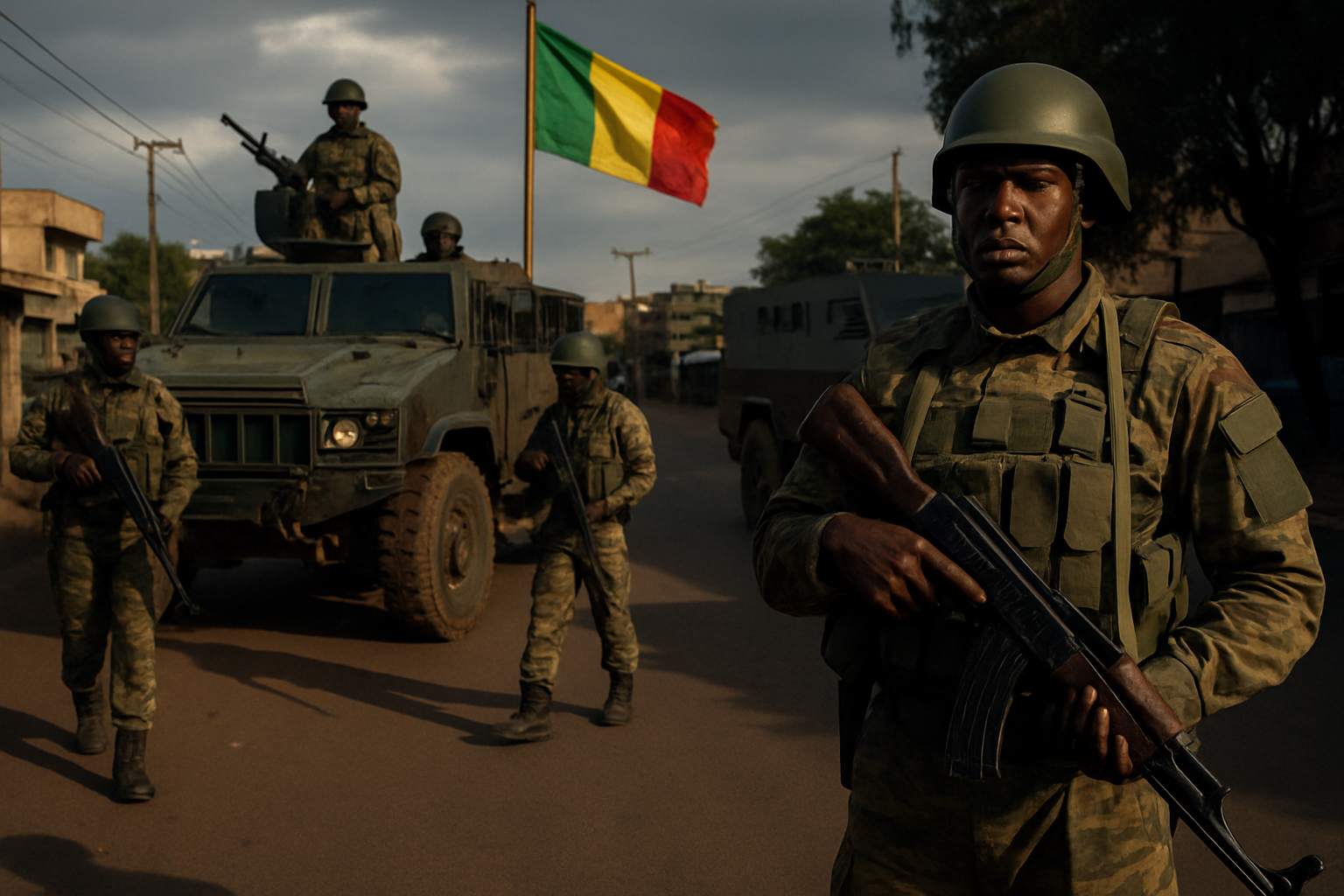
Armed groups launched coordinated attacks across Mali on Saturday morning, targeting military barracks in the capital Bamako and strategic positions in several interior cities, prompting an immediate response from the Malian Armed Forces (FAMa).
The attacks began shortly before 6:00 AM GMT, with witnesses reporting two loud explosions and sustained gunfire near the Kati military base outside Bamako. Soldiers were quickly deployed to secure the area and block access roads, while similar incidents occurred simultaneously in the central town of Sevare and the northern cities of Kidal and Gao.
Scale and Coordination of the Attacks
Mali's army confirmed in an official statement that unidentified "terrorist groups" had attacked several military positions in both the capital and the country's interior regions. The coordinated nature of the strikes, occurring across multiple locations simultaneously, indicates a sophisticated level of planning and organization by the attackers.
"There's gunfire everywhere,"
— Witness in Sevare
Witnesses in Sevare described intense fighting, while reports from the international airport in the capital confirmed that journalists had heard gunfire in the vicinity. The targeting of key infrastructure, including airports and military installations, suggests a strategic attempt to disrupt government operations and project strength.
Military Response and Current Situation
The Malian Armed Forces responded swiftly to the attacks, with military sources claiming significant success in repelling the assault. According to reports from Burkina Faso news outlets, the FAMa demonstrated their operational superiority, describing the terrorist response as an "immediate and deadly riposte."
French media sources confirm that fighting was ongoing at the time of initial reports, with the military actively engaged in operations to neutralize the attackers. The situation near the international airport remained particularly tense, with authorities implementing enhanced security measures.
Regional Security Context
Mali has been battling insurgencies led by West African affiliates of al-Qaeda and Islamic State for over a decade. The country also faces ongoing challenges from Tuareg-led rebellions in the northern regions. This complex security environment, combined with a history of military coups and political instability, has made Mali a focal point for regional and international security concerns.
The attacks come at a time when Mali's military government, led by the junta since the 2021 coup, has been emphasizing its commitment to national security and territorial integrity. The coordinated nature of today's attacks represents a significant challenge to the government's authority and its claims of improved security conditions.
International Implications and Response
The simultaneous attacks across multiple strategic locations highlight the persistent security challenges facing the Sahel region. Mali's stability is crucial for regional security, as instability in the country has historically had spillover effects into neighboring nations.
International observers noted the sophisticated coordination required for such simultaneous strikes across different regions of the country. The attacks demonstrate that despite ongoing military operations and international assistance, militant groups retain the capability to conduct complex, multi-front operations.
Ongoing Developments
As of Saturday afternoon, Malian authorities reported that the situation was stabilizing, with military forces maintaining control of key installations. However, the full extent of casualties and damage remained unclear as security operations continued across the affected areas.
The government has not yet identified which specific groups were responsible for the attacks, referring only to "terrorist groups" in official communications. This reflects the complex web of armed groups operating in Mali, including various affiliates of international terrorist organizations and local insurgent movements.
The attacks serve as a stark reminder of the ongoing security challenges facing Mali and the broader Sahel region, where multiple armed groups continue to pose threats to stability and civilian populations despite years of military interventions and peace efforts.