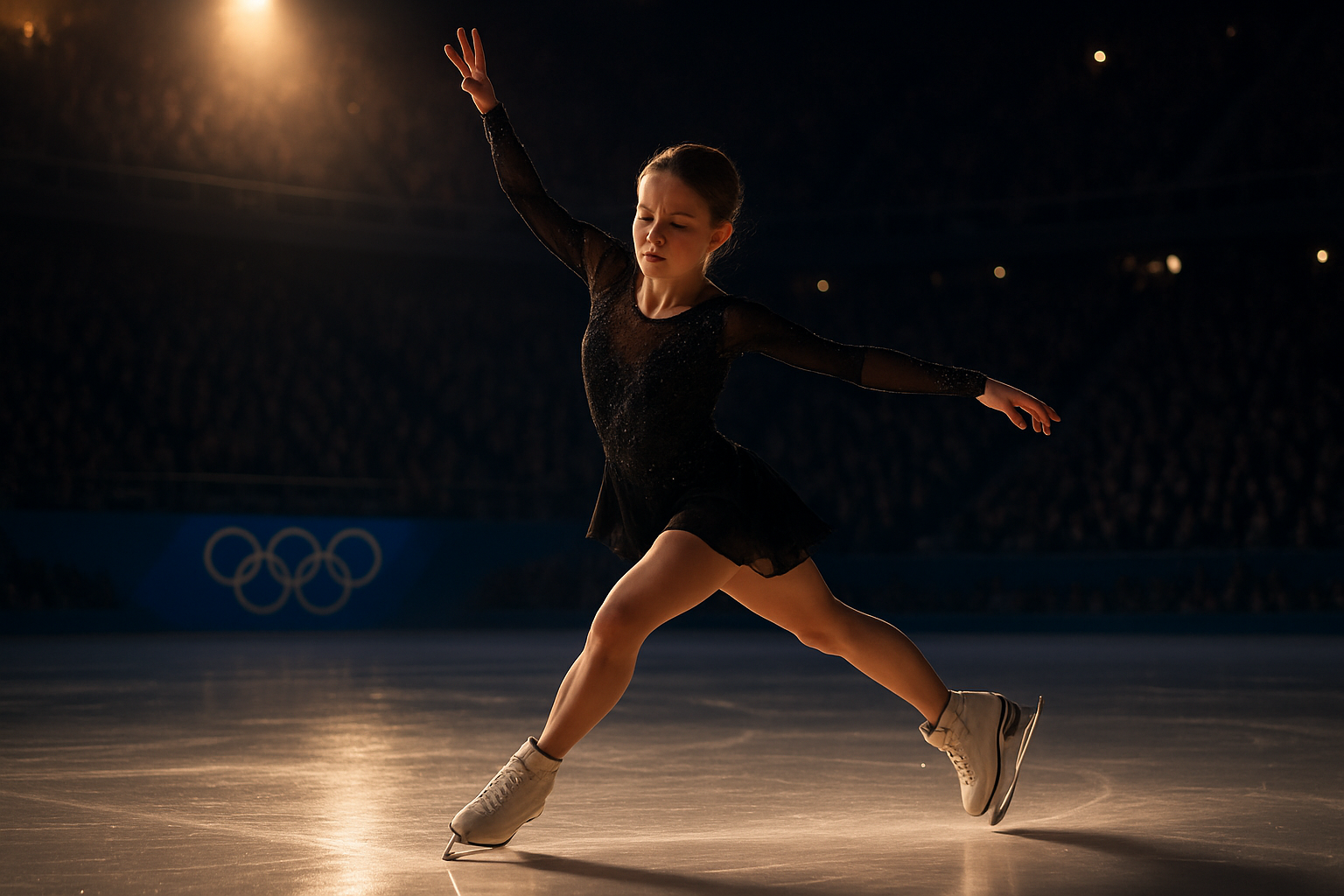
American figure skating sensation Ilia Malinin transformed the closing gala at the Milano-Cortina 2026 Winter Olympics into a powerful platform for social awareness, delivering an emotionally charged performance that highlighted the dangers of social media for young people.
The 17-year-old champion, fresh from his earlier Olympic successes at the Games, used Saturday's exhibition at the Milan Ice Arena to address what he called the "unforgiving glare of the spotlight" in the digital age. His performance captivated audiences not just with athletic prowess, but with a message that resonated far beyond the ice rink.
A Champion's Perspective on Digital Pressures
Malinin's gala routine served as the culmination of the figure skating program at Milano-Cortina 2026, but it was his off-ice message that drew the most attention. The teenager, who has experienced both the heights of Olympic glory and the intense scrutiny that comes with social media fame, spoke candidly about the psychological pressures facing young athletes and non-athletes alike in the digital era.
"Social media can be incredibly damaging, especially for young people," Malinin explained in post-performance interviews. "The constant comparison, the cyberbullying, the pressure to present a perfect image – it's something that affects not just athletes, but teenagers everywhere."
The Dark Side of Digital Fame
The timing of Malinin's message was particularly poignant, coming at the conclusion of Games where he had experienced both triumph and disappointment. Earlier in the competition, the American had suffered a devastating collapse in the men's individual figure skating event, falling from overwhelming favorite to eighth place – a dramatic reminder of how quickly fortunes can change under the Olympic spotlight.
His gala performance addressed how social media amplifies both success and failure, creating an environment where young people face unprecedented levels of scrutiny and judgment. The routine incorporated elements that symbolically represented the digital age's impact on mental health, using innovative choreography to illustrate themes of isolation, comparison, and the struggle for authenticity in an increasingly connected yet disconnected world.
Growing Awareness Among Elite Athletes
Malinin's advocacy joins a growing movement among elite athletes who are using their platforms to address mental health and social media's impact on young people. The phenomenon has become increasingly prevalent at major sporting events, where athletes recognize their unique position to influence and educate their predominantly young fanbase.
"We have a responsibility to speak out about these issues. Young people look up to us, and if we can help even one person recognize the dangers and seek help, then we've made a difference."
— Ilia Malinin, Olympic Figure Skater
The Milano-Cortina 2026 Olympics provided several such moments, with athletes across various disciplines addressing social issues. However, Malinin's gala performance stood out for its artistic integration of the message with athletic excellence, creating what many observers described as one of the most impactful moments of the Games.
The Science Behind Social Media's Impact
Malinin's concerns are backed by extensive research showing the negative effects of social media on young people's mental health. Studies indicate that teenagers spending significant time on social platforms face increased risks of depression, anxiety, and eating disorders. The constant comparison with others' curated online personas can lead to feelings of inadequacy and low self-esteem.
For young athletes like Malinin, these pressures are magnified by the public nature of their performances and the intense scrutiny that comes with competitive sports. The combination of athletic pressure and social media exposure creates what experts describe as a "perfect storm" for mental health challenges.
A Platform for Change
The Milano-Cortina 2026 Olympics, with their revolutionary dual-city hosting model spanning 400+ kilometers across northern Italy, provided a unique backdrop for such messages. The Games, which featured advanced AI technology integration and sustainable hosting practices, represented a forward-thinking approach to Olympic competition – making them an ideal venue for addressing contemporary social issues.
Malinin's performance was part of the closing gala that featured athletes from around the world, but his message resonated particularly strongly given his own recent experiences with both online praise and criticism. His earlier individual competition disappointment had generated significant social media commentary, providing him with firsthand experience of the phenomenon he was addressing.
Impact Beyond the Ice
The reach of Malinin's message extended far beyond the Milan Ice Arena. Social media platforms, ironically, became the vehicle through which his anti-social media message spread globally, reaching millions of young people worldwide. The performance generated widespread discussion about digital wellness, parental responsibility, and the role of social platforms in young people's lives.
Mental health advocates praised Malinin's decision to use such a high-profile platform for awareness. Dr. Sarah Mitchell, a child psychologist specializing in digital wellness, noted that "when young people hear these messages from their heroes, it carries far more weight than traditional educational approaches."
A Broader Movement
Malinin's gala performance represents part of a broader trend among Generation Z athletes who are increasingly willing to address social issues. Unlike previous generations of athletes who often avoided controversial topics, today's young competitors are embracing their roles as social advocates and using their platforms to drive meaningful conversations.
The Milano-Cortina 2026 Olympics showcased this trend across multiple sports, with athletes addressing everything from climate change to social justice. However, Malinin's focus on social media dangers struck a particularly relevant chord, addressing an issue that directly affects his peer group and fanbase.
Looking Forward
As the Olympics concluded with Malinin's powerful message, the impact continued to reverberate through social media channels, traditional media coverage, and educational institutions worldwide. His performance has been incorporated into digital wellness curricula and cited by mental health organizations as an example of effective peer-to-peer communication about social media dangers.
The young champion's willingness to address these issues despite his own social media presence demonstrates a nuanced understanding of the platform's dual nature – its potential for both connection and harm. His message emphasized not complete avoidance of social media, but rather mindful, healthy engagement with digital platforms.
As Malinin continues his competitive career, his Milano-Cortina gala performance will likely be remembered not just for its artistic merit, but for its contribution to an important global conversation about youth, mental health, and the digital age. In using the Olympic platform to highlight these dangers, he transformed a sporting celebration into a moment of genuine social impact, embodying the Olympic spirit's broader values of education, inspiration, and positive change.