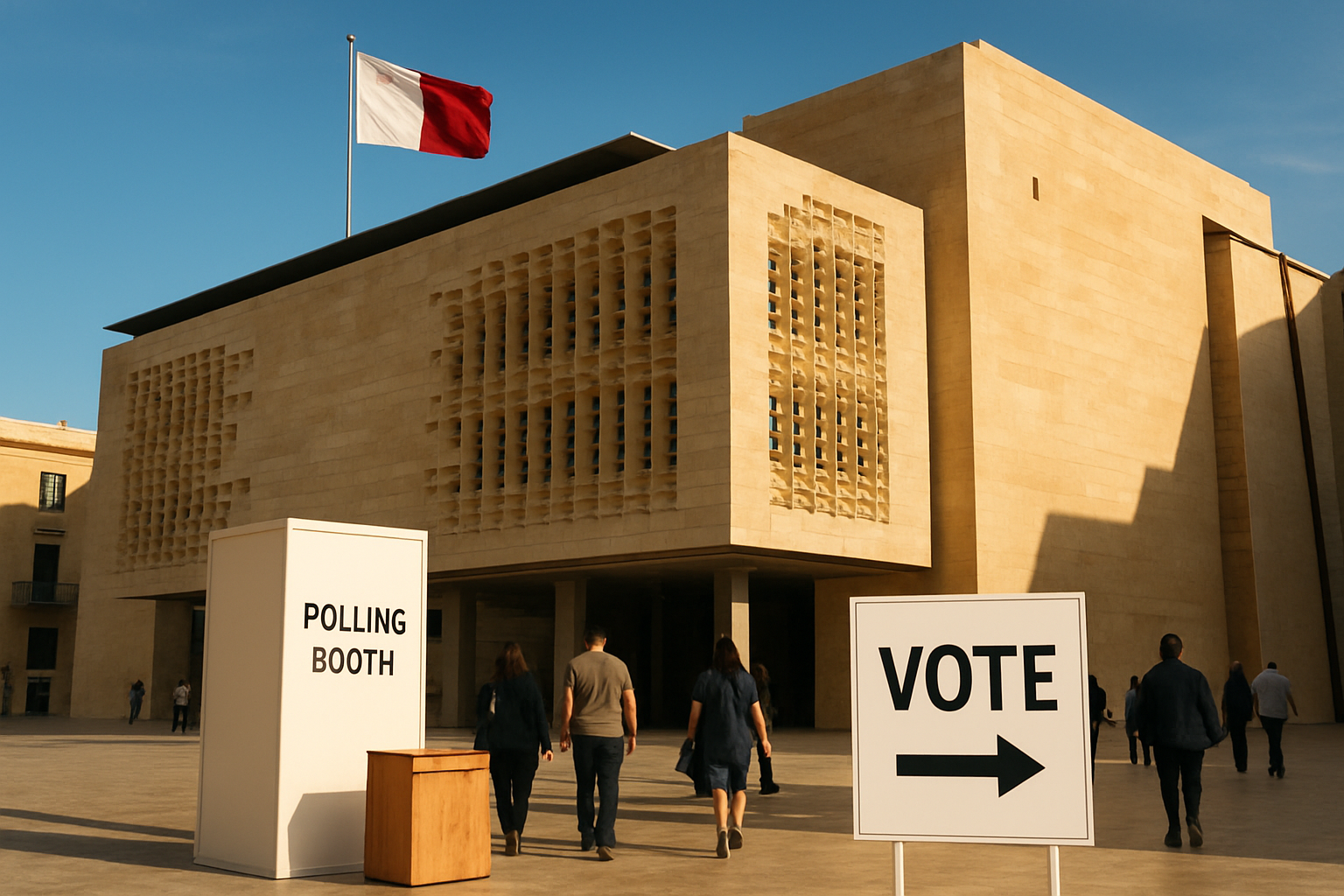
Malta's political landscape shows clear Labour Party dominance as new polling data reveals 51.9% of voters believe the Labour Party will win the next election, while only 8% expect a Nationalist Party victory, according to the latest MaltaToday election mood survey.
The comprehensive polling data, released on March 15, 2026, presents a stark picture of electoral expectations in the Mediterranean island nation, with 40.1% of respondents remaining uncertain about which party will ultimately prevail. This uncertainty, combined with Labour's commanding lead in voter confidence, reflects a complex political dynamic ahead of the anticipated general election.
Election Timing Expectations
Regarding the timing of the next general election, 26.3% of respondents believe it will be held in June 2026, making it the most probable month according to public perception. An additional 19.9% expect the election to occur sometime next year, demonstrating varying expectations about Prime Minister Robert Abela's electoral strategy.
Interestingly, the survey reveals a partisan divide in timing expectations, with Nationalist Party voters more likely to anticipate a June election compared to Labour Party supporters. This difference may reflect varying strategic calculations about optimal election timing from each party's perspective.
Nationalist Party Preparedness Concerns
The polling data exposes significant concerns about the Nationalist Party's readiness to govern, with 44% of respondents believing the party is unprepared for governmental responsibilities. This perception of unpreparedness may contribute to the party's low confidence rating of just 8% for electoral victory.
The Nationalist Party's struggles reflect broader challenges facing opposition parties across Europe, where established political movements face difficulties in presenting compelling alternatives to incumbent governments amid complex economic and social challenges.
Smaller Party Representation Views
The survey also captured public opinion on smaller political movements, with 39% of respondents viewing ADPD (Alternattiva Demokratika) representation positively. Meanwhile, 30.7% believe Momentum's representation is beneficial, suggesting some appetite for alternative political voices beyond the traditional two-party system.
These figures indicate that while Labour maintains dominant expectations for electoral success, there remains space for smaller parties to contribute meaningfully to Malta's political discourse, particularly on issues where the main parties may not fully represent citizen concerns.
Historical Context and Regional Trends
Malta's current political dynamics occur within a broader European context where incumbent governments face varying levels of support amid ongoing economic pressures, regional security concerns, and social transformation. The Mediterranean nation's strategic position has amplified the importance of stable governance during periods of Middle Eastern tensions and migration challenges.
Prime Minister Abela's government has navigated complex constitutional reforms, including efforts to resolve judicial appointment deadlocks that have undermined public confidence in institutional processes. The successful advancement of anti-deadlock mechanisms for Chief Justice appointments, gaining rare cross-party support, demonstrates the government's capacity for institutional problem-solving.
International Implications
Malta's electoral trajectory carries significance beyond its borders due to the nation's role in European Union decision-making, particularly regarding migration policy, energy security, and Mediterranean diplomacy. The country's neutral status and strategic location make governmental stability crucial during periods of regional uncertainty.
The polling results suggest continuity in Malta's international relationships, as Labour's expected electoral success would maintain existing policy directions regarding EU integration, regional cooperation, and bilateral partnerships. This stability may be particularly valued by international partners amid broader European political uncertainties.
Democratic Process Strength
Despite the clear partisan preferences revealed in the polling, Malta's democratic institutions continue to demonstrate resilience and functionality. The ability to conduct comprehensive surveys measuring public opinion, combined with ongoing constitutional reforms and cross-party cooperation on key issues, reflects the strength of democratic processes in the island nation.
The high percentage of uncertain voters (40.1%) also suggests that electoral outcomes remain dependent on campaign effectiveness, policy proposals, and external factors that could influence voter preferences closer to election day. This uncertainty maintains democratic competitiveness despite current polling advantages.
Looking Toward Election Day
As Malta approaches what many expect to be a June 2026 general election, the polling data provides important baseline measurements of public sentiment while acknowledging the potential for political dynamics to evolve. Labour's strong position offers stability expectations, while the Nationalist Party faces the challenge of demonstrating governmental readiness and presenting compelling alternatives to current policies.
The survey results reflect not just current preferences but also deeper questions about political representation, governmental effectiveness, and democratic engagement in small European Union member states. Malta's electoral process will be closely watched as a test case for democratic resilience and institutional strength in the contemporary political environment.