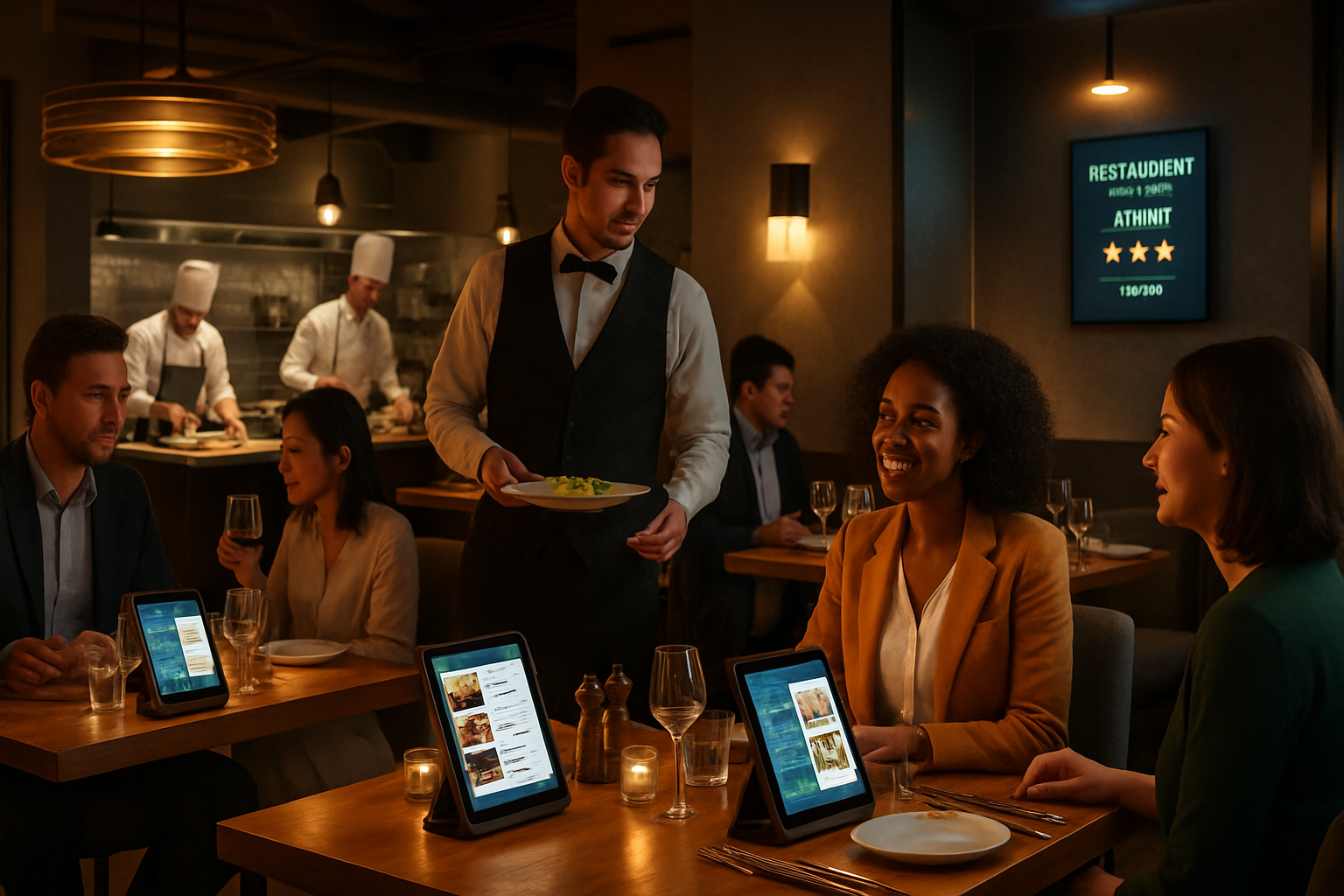
Malta's hospitality sector has entered a transformative phase, with the island nation's culinary landscape earning unprecedented international recognition through the MICHELIN Guide 2026 while innovative dining experiences redefine visitor engagement across the Mediterranean archipelago.
The MICHELIN Guide Malta 2026 edition unveiled significant expansion, featuring 48 restaurants compared to previous years, including six newly recommended establishments. This growth represents more than numerical increase—it signals fundamental maturation within Malta's gastronomy sector and broader hospitality innovation trends reshaping the industry globally.
MICHELIN Recognition Validates Quality Revolution
All seven MICHELIN-starred restaurants successfully retained their distinctions, a result that inspectors described as evidence of sustained excellence and increasing maturity within Malta's dining landscape. At the prestigious top tier, ION Harbour by Simon Rogan maintained its stellar reputation, while the Bib Gourmand category—recognising high-quality cuisine at accessible prices—expanded with a new addition, bringing the total to five restaurants.
The consistency in starred establishments demonstrates that Malta's culinary sector has moved beyond initial recognition phases to establish sustainable excellence. Industry experts note this stability reflects deeper infrastructure investments, enhanced supply chain management, and sophisticated staff training programs that support consistent high-quality delivery.
Innovative Dining Experiences Drive Industry Evolution
Beyond formal recognition, Malta's hospitality sector showcases innovation through experiential dining concepts that blend cultural authenticity with contemporary presentation. Ta' Nenu The Artisan Baker in Mġarr exemplifies this trend through themed culinary events, including the upcoming Sicilian & Maltese Night scheduled for February 20th at 7:30 PM.
This event demonstrates several key innovation elements transforming hospitality experiences: cultural fusion celebrating Malta-Sicily culinary connections, collaborative chef partnerships featuring Chef Nino from Sicily's Macelleria Griglieria Da Nino, premium experience positioning with free-flowing wine, and community engagement through nearly sold-out demand indicating strong local market response.
"Two islands. One table. Zero compromise on flavour."
— Ta' Nenu Promotional Material
Technology Integration Enhances Guest Experiences
Malta's hospitality innovation extends beyond culinary excellence to embrace sophisticated technology integration. Restaurants are implementing digital reservation systems, contactless payment solutions, and enhanced social media engagement to create seamless guest experiences while maintaining authentic cultural connections.
The success of specialized dining events, evidenced by rapid ticket sales and social media engagement, demonstrates how traditional hospitality venues are leveraging digital platforms to reach broader audiences while preserving intimate, authentic dining experiences.
Global Hospitality Trends Reflected in Malta
Malta's hospitality developments align with documented global industry transformations occurring throughout 2026. International trends indicate movement toward quality-focused experiences over volume-based approaches, authentic cultural engagement, and sustainable practices that benefit local communities.
The memory of recent global hospitality challenges—including workforce shortages experienced in Mexico's restaurant sector and premium experience demand evidenced across Argentina's spa-gastronomy packages—provides context for Malta's strategic positioning. The island's approach emphasizes stability, authenticity, and consistent quality delivery that addresses contemporary traveler expectations.
Economic Impact and Industry Sustainability
The hospitality sector's innovation creates substantial economic multiplier effects throughout Malta. MICHELIN recognition attracts international visitors willing to invest significantly in premium dining experiences, generating revenue streams that support local suppliers, farmers, fishermen, and service providers across the hospitality ecosystem.
Specialized culinary events like the Sicilian & Maltese collaboration create additional revenue opportunities while building cultural bridges that enhance Malta's reputation as a sophisticated gastronomic destination. These initiatives demonstrate how innovation can preserve cultural authenticity while generating economic benefits.
Workforce Development and Professional Excellence
The sustained MICHELIN recognition indicates successful workforce development strategies addressing skilled labor requirements in premium hospitality services. Malta's approach contrasts sharply with workforce crises documented in other regions, suggesting effective training programs, competitive employment conditions, and career development opportunities that retain talent.
Chef collaborations, such as the partnership between Ta' Nenu and Chef Nino, demonstrate knowledge transfer mechanisms that enhance local culinary capabilities while building international professional networks essential for continued innovation and excellence.
Future Implications for Hospitality Innovation
Malta's hospitality sector evolution provides templates for sustainable industry development that other destinations may adapt. Key success factors include authentic cultural preservation, strategic technology integration, community engagement, international collaboration, and consistent quality standards that support long-term competitiveness.
The combination of formal recognition through established systems like MICHELIN alongside grassroots innovation through themed dining experiences demonstrates balanced approaches to hospitality development. This synthesis of tradition and innovation positions Malta as a model for hospitality sectors globally seeking sustainable growth strategies.
Broader Industry Transformation Context
Malta's achievements occur within documented global hospitality transformation trends, including the rise of experiential luxury, authentic cultural engagement, and community-benefit tourism models. The island's success demonstrates that smaller destinations can compete effectively in global markets through strategic focus on quality, authenticity, and innovation.
The hospitality sector's resilience and growth, evidenced by expanding MICHELIN recognition and successful specialized events, indicates strong foundation for continued development. This stability provides confidence for additional infrastructure investments, workforce development programs, and international marketing initiatives that can further enhance Malta's hospitality reputation.
As the global hospitality industry continues evolving toward quality-focused strategies emphasizing authentic experiences and community benefits, Malta's innovative approach—combining international recognition with grassroots culinary creativity—establishes the island nation as a leading example of sustainable hospitality development in the Mediterranean region and beyond.