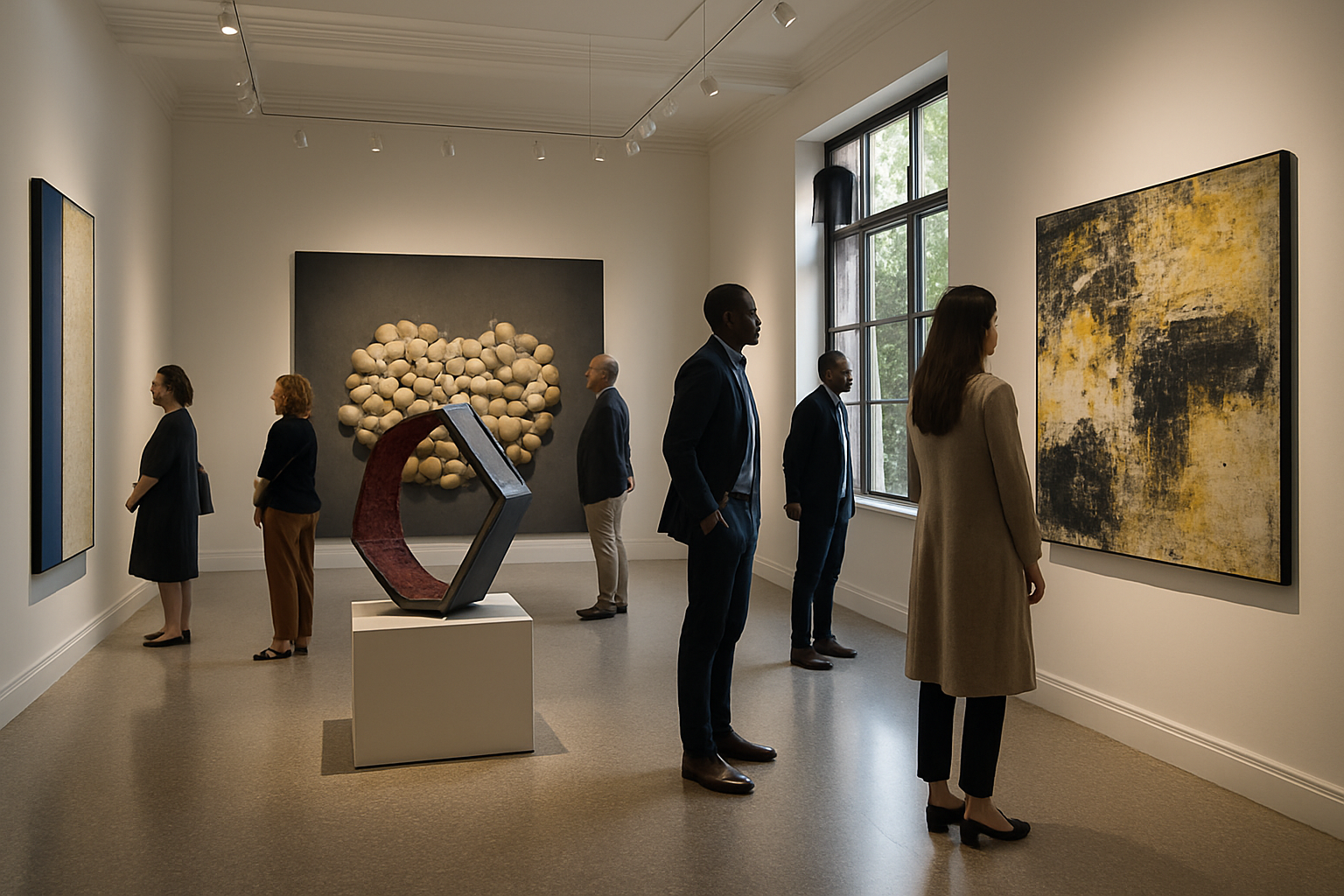
Arts Council Malta has officially announced the three artists who will represent the Mediterranean nation at the upcoming 61st International Art Exhibition at La Biennale di Venezia, marking a historic moment for Malta's presence on the world's most prestigious art stage.
The Malta Pavilion, titled "No Need To Sparkle; Experiments in Love and Revolution," brings together three Maltese artists whose work explores profound themes of mythology, cinematic illusion, and political resistance. This ambitious project represents Malta's commitment to showcasing contemporary Maltese art to a global audience at the Venice Biennale, widely considered the Olympics of the art world.
A Strategic Cultural Milestone
This announcement comes at a pivotal time during what cultural observers have termed the "February 2026 Cultural Renaissance" – a period of unprecedented international cultural coordination and artistic collaboration. Malta's participation in the Venice Biennale aligns with the nation's broader cultural diplomacy strategy, which has recently included high-profile exhibitions such as "Malta's Carnival – Behind the Mask" at the European Parliament in Brussels.
The decision to participate in the 61st Venice Biennale represents a significant investment in Malta's cultural infrastructure and international artistic profile. Unlike previous years when Malta's cultural presence was primarily focused on heritage preservation and traditional arts, this Venice Biennale participation signals the nation's commitment to contemporary artistic expression on the global stage.
The Power of Contemporary Maltese Art
The pavilion's evocative title, "No Need To Sparkle; Experiments in Love and Revolution," suggests a mature artistic vision that moves beyond superficial aesthetic concerns toward deeper explorations of human experience. The three selected artists represent diverse approaches to contemporary art-making while maintaining connections to Malta's rich cultural heritage.
"This represents a watershed moment for Malta's contemporary art scene. We're not just participating in the Venice Biennale – we're making a statement about Malta's position as a serious player in international contemporary art."
— Arts Council Malta Representative
The themes of mythology, cinematic illusion, and political resistance chosen by the artists reflect Malta's complex history as a Mediterranean crossroads where diverse cultures, political systems, and artistic traditions have intersected for millennia. These themes resonate particularly strongly in 2026, a year that has seen unprecedented global cultural renaissance and international artistic collaboration.
Part of a Global Cultural Renaissance
Malta's Venice Biennale participation occurs within the context of what has been documented as an extraordinary period of cultural activity across the globe. From Moldova's historic first participation in the 61st Venice Biennale with artist Pavel Braila to Azerbaijan's strategic cultural bridge-building initiatives, smaller nations are increasingly using prestigious international art platforms to assert their cultural sovereignty and artistic excellence.
This trend reflects a broader shift in the art world, where authentic cultural expression and community engagement are increasingly valued over traditional art market hierarchies. Malta's approach appears to embrace this evolution, focusing on artists whose work speaks to universal human experiences while maintaining strong connections to local cultural contexts.
Economic and Cultural Impact
The economic implications of Malta's Venice Biennale participation extend far beyond the immediate costs of mounting the pavilion. Cultural tourism experts predict that the international exposure will generate significant interest in Malta as a cultural destination, potentially attracting art collectors, curators, and cultural tourists to the islands.
Moreover, the participation creates lasting cultural infrastructure. The process of selecting artists, curating the exhibition, and presenting Malta's contemporary art to an international audience builds institutional capacity that will benefit the local art scene for years to come. This aligns with Malta's broader strategy of positioning culture as strategic infrastructure equivalent to transportation, healthcare, and communication systems.
International Context and Diplomacy
Malta's Venice Biennale debut comes at a time when cultural diplomacy has become increasingly important for small nations seeking to enhance their international profile and build meaningful relationships with other countries. The timing coincides with Malta's broader cultural diplomacy initiatives, including recent MICHELIN Guide recognition for the nation's culinary excellence and various high-profile international cultural exhibitions.
The Venice Biennale provides an unparalleled platform for soft power projection, allowing Malta to present a sophisticated, contemporary image to an international audience that includes collectors, museum directors, critics, and cultural policymakers from around the world. This exposure can translate into future collaborative opportunities, cultural exchanges, and enhanced international recognition for Malta's artistic community.
Building on Cultural Success
This Venice Biennale participation builds on Malta's recent cultural successes, which have included the expansion of the MICHELIN Guide to 48 restaurants, successful heritage tourism initiatives, and innovative cultural programming that has gained international attention. The nation has demonstrated a sophisticated understanding of how to balance preservation of traditional culture with contemporary artistic innovation.
The three-artist approach allows for a diverse representation of contemporary Maltese art while maintaining thematic coherence through the "Love and Revolution" concept. This curatorial strategy reflects international best practices in biennale participation, where successful pavilions typically balance artistic diversity with conceptual unity.
Future Implications
Malta's Venice Biennale debut in 2026 may well be remembered as a defining moment in the nation's cultural development. The experience of participating in such a prestigious international exhibition will provide valuable lessons for future cultural initiatives and establish Malta as a serious participant in the global contemporary art conversation.
The success of this initiative could pave the way for increased international cultural collaboration, enhanced support for local artists, and greater recognition of Malta's contemporary art scene. As the art world continues to evolve toward more inclusive and globally diverse representation, Malta's thoughtful approach to this opportunity positions the nation well for continued cultural leadership in the Mediterranean region and beyond.
The "No Need To Sparkle; Experiments in Love and Revolution" pavilion represents more than just an art exhibition – it embodies Malta's emergence as a confident, sophisticated voice in contemporary international culture, ready to contribute meaningfully to global artistic dialogue while maintaining its unique cultural identity.