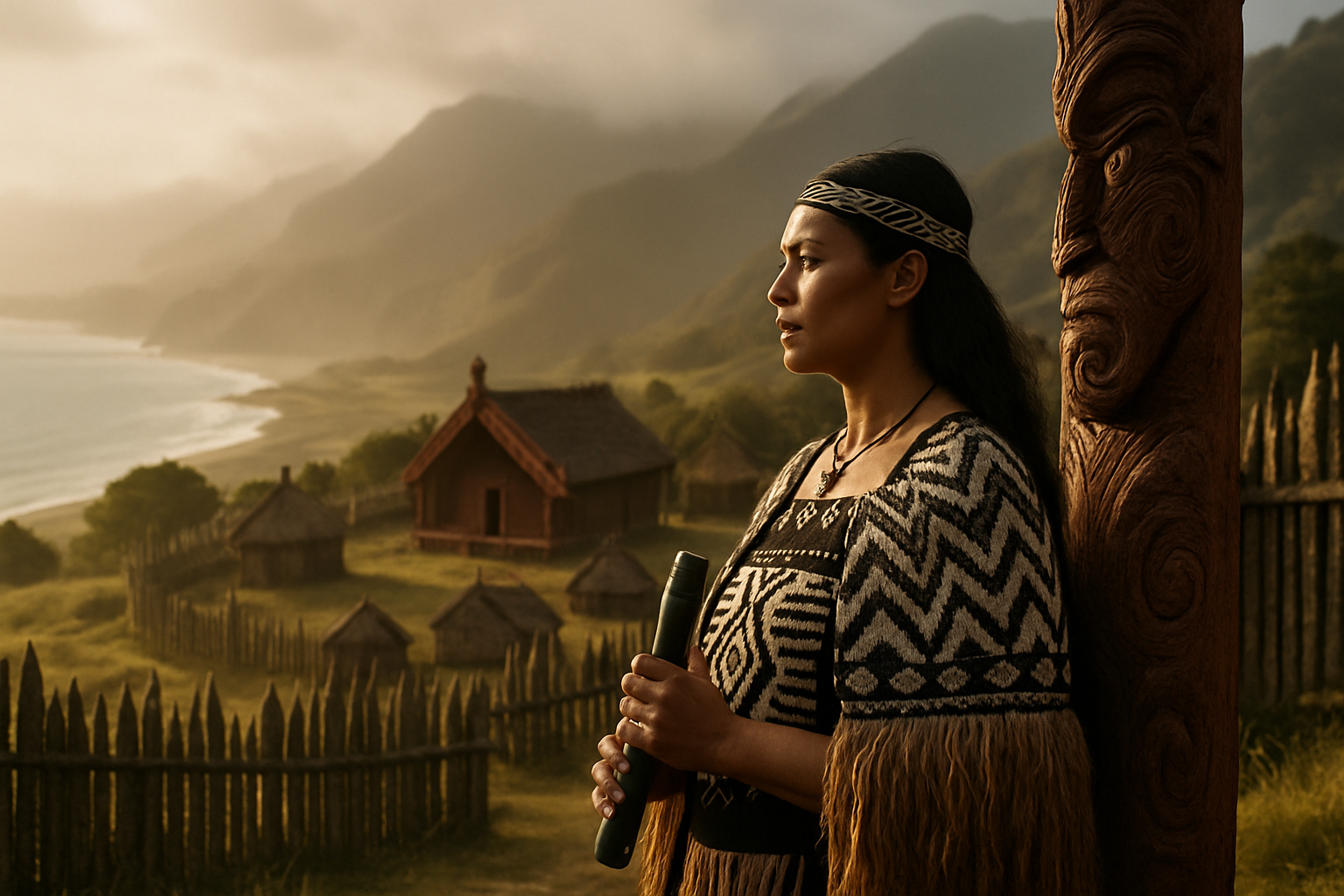
A 110-year-old Māori composition has found unexpected new life on the global stage, featuring prominently in a Hollywood blockbuster while sparking important conversations about indigenous cultural recognition and the preservation of ancestral artistic legacies.
The song "Pō Atarau" by Māori composer Erima Maewa Kaihau has been selected for use in a major international film production, bringing this piece of New Zealand's cultural heritage to audiences worldwide. However, as Wellington academic researchers note, the composer's name and story had become "detached" from the work over the decades, highlighting broader challenges in maintaining proper attribution for indigenous cultural contributions.
A Forgotten Musical Pioneer
Erima Maewa Kaihau composed "Pō Atarau" over a century ago, during a period when Māori cultural expression faced significant suppression under colonial policies. The song represents not just musical achievement but cultural resilience—a testament to the persistence of indigenous artistic traditions despite systematic attempts to diminish them.
"She has lain forgotten," notes a Wellington academic familiar with Kaihau's work, emphasizing how easily indigenous voices can be erased from historical narratives, even when their cultural contributions endure and continue to resonate with new audiences.
The fact that Kaihau's composition has survived 110 years to reach contemporary global audiences speaks to the enduring power of authentic cultural expression. The song's selection for a story described as "intergalactic friend-making" seems particularly fitting, suggesting universal themes that transcend cultural and temporal boundaries.
Cultural Renaissance and Recognition
This development occurs during what researchers have identified as the "2026 Cultural Renaissance"—a period marked by unprecedented global interest in authentic cultural expression and indigenous rights recognition. Across New Zealand, there has been renewed focus on preserving and properly crediting Māori cultural contributions.
Recent initiatives have included significant investments in Māori cultural institutions, increased support for indigenous filmmakers like Taika Waititi, and growing international recognition of New Zealand's bicultural heritage. The entertainment industry's embrace of diverse voices has created new opportunities for indigenous stories and music to reach global audiences.
The timing of "Pō Atarau's" Hollywood debut is particularly significant given ongoing discussions about cultural appropriation versus appreciation in the entertainment industry. When indigenous cultural elements are incorporated into mainstream productions, questions arise about proper attribution, compensation, and respect for cultural protocols.
Challenges of Cultural Attribution
The case of Erima Maewa Kaihau illustrates broader challenges facing indigenous cultural preservation worldwide. Traditional knowledge systems often relied on oral transmission rather than formal copyright protections, making it easier for original creators to be forgotten as their work enters broader circulation.
Academic institutions and cultural organizations across New Zealand are working to reconnect historical works with their creators, but the process is complex and often incomplete. Many Māori compositions, stories, and artistic traditions exist in public consciousness without proper attribution to their indigenous origins.
The "detachment" of Kaihau's name from "Pō Atarau" reflects systemic issues in how indigenous cultural contributions have been documented and preserved. Colonial recording practices often emphasized the cultural products while minimizing or erasing the cultural producers, particularly when those creators were women or came from marginalized communities.
Global Indigenous Cultural Movements
The recognition of Kaihau's work comes amid growing international movements to restore proper credit to indigenous cultural creators. From the repatriation of sacred artifacts by major museums to the acknowledgment of indigenous influence in contemporary art and music, there's increasing awareness of historical injustices in cultural attribution.
In the entertainment industry specifically, there's growing emphasis on consulting with cultural communities when using traditional elements, ensuring proper licensing agreements, and sharing revenue with indigenous creators or their communities. The success of indigenous-led productions like those by Taika Waititi has demonstrated both the commercial viability and artistic richness of authentic cultural expression.
New Zealand's approach to bicultural entertainment has become a model for other nations grappling with similar questions of indigenous representation and cultural ownership. The country's efforts to integrate Māori language and cultural elements into mainstream media while maintaining cultural integrity offer valuable lessons for global entertainment industries.
Technology and Cultural Preservation
Modern technology plays an increasingly important role in preserving and disseminating indigenous cultural works. Digital archives, sophisticated recording techniques, and online platforms enable wider access to traditional music while maintaining community control over cultural protocols.
The global reach of contemporary entertainment platforms means that works like "Pō Atarau" can find new audiences far beyond their original cultural contexts. This presents both opportunities for cultural sharing and challenges in maintaining appropriate cultural frameworks around traditional works.
Cultural institutions are developing new approaches that combine technological preservation with traditional knowledge systems, ensuring that digital access doesn't come at the expense of cultural integrity or community ownership.
Economic and Cultural Impact
The inclusion of Māori music in major Hollywood productions represents more than cultural recognition—it also has significant economic implications for indigenous communities. Properly negotiated licensing agreements can provide revenue streams that support cultural preservation activities and community development.
New Zealand's entertainment industry has seen substantial growth, partly driven by international recognition of the country's unique cultural assets. The success of productions that authentically incorporate Māori elements has enhanced the country's reputation as a culturally sophisticated destination for both entertainment production and cultural tourism.
The economic multiplier effects extend beyond immediate licensing fees to include cultural tourism, educational partnerships, and enhanced international relationships. Countries that successfully integrate indigenous cultural elements into entertainment exports often report competitive advantages in multiple sectors.
Future Implications
The case of Erima Maewa Kaihau and "Pō Atarau" raises important questions about how the entertainment industry can better honor indigenous cultural contributions while ensuring appropriate attribution and compensation. As global audiences increasingly seek authentic cultural experiences, the demand for genuine indigenous artistic expression is likely to grow.
This trend presents opportunities for indigenous communities to share their cultural wealth while maintaining control over how their traditions are represented and used. However, it also requires continued vigilance to prevent cultural appropriation and ensure that indigenous creators receive proper recognition and compensation.
The story of this 110-year-old song's journey from near-obscurity to global prominence illustrates both the enduring power of authentic cultural expression and the ongoing need for systems that properly preserve and attribute indigenous cultural contributions.
Preserving Cultural Legacy
As entertainment industries worldwide grapple with questions of cultural representation and attribution, the recognition of Kaihau's work offers both inspiration and caution. While the global platform provides unprecedented opportunities for cultural sharing, it also amplifies the importance of getting attribution right.
The broader lesson extends beyond individual cases to encompass the need for systematic approaches to indigenous cultural preservation and recognition. Academic institutions, cultural organizations, and entertainment industries must work collaboratively to ensure that indigenous voices are properly credited and compensated for their contributions.
The fact that "Pō Atarau" has found new life in a contemporary global production demonstrates the timeless appeal of authentic cultural expression. However, the initial "detachment" of Kaihau's name from her work serves as a reminder of the ongoing responsibility to maintain proper cultural attribution.
As the 2026 Cultural Renaissance continues to unfold globally, the story of Erima Maewa Kaihau and her composition provides both a celebration of indigenous cultural resilience and a call for continued vigilance in preserving and properly crediting indigenous cultural contributions. The entertainment industry's growing embrace of authentic cultural expression offers new opportunities, but realizing their full potential requires commitment to ethical practices that honor both the cultural works and their creators.