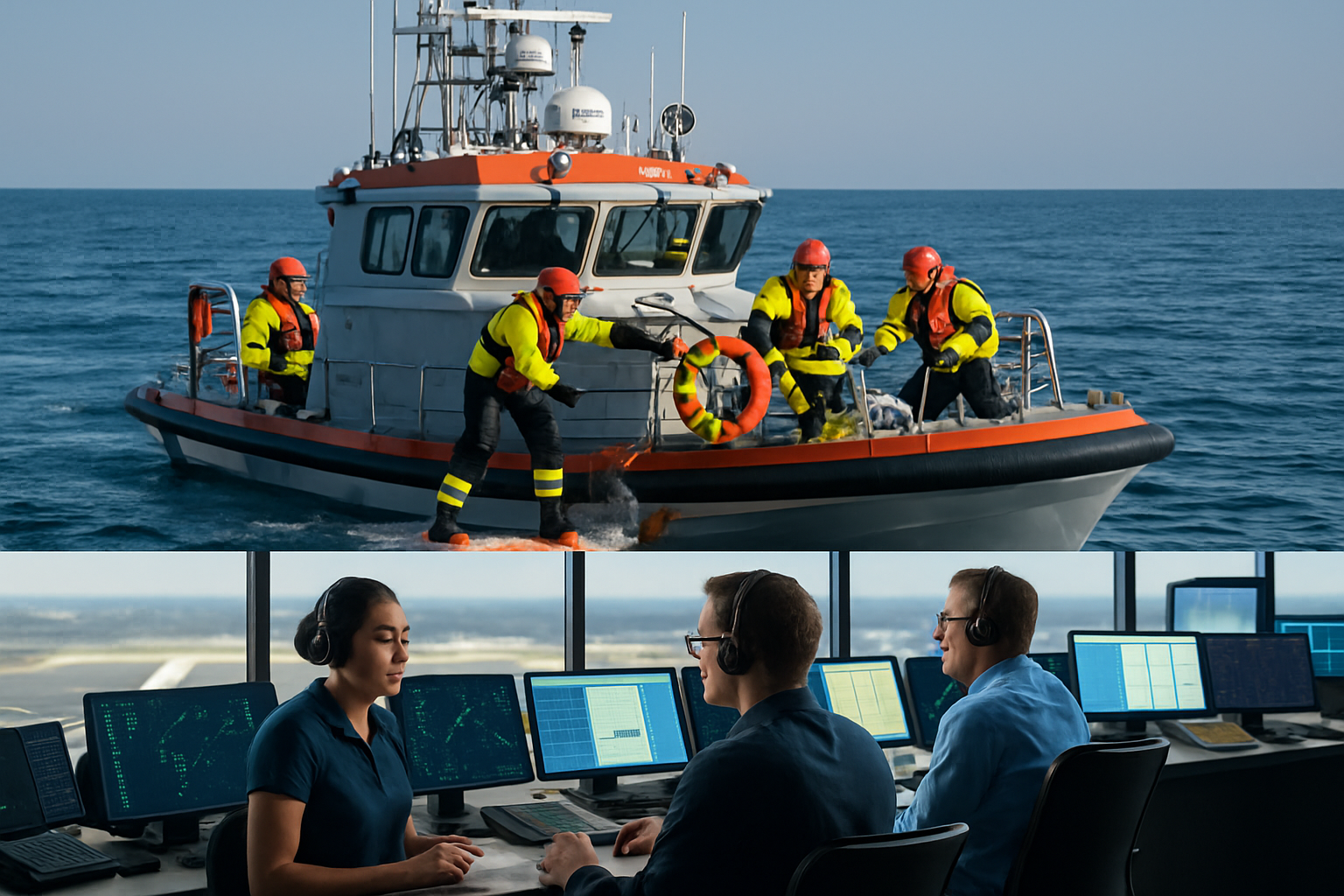
Transportation safety has become a defining challenge of 2026, with maritime and aviation incidents exposing critical vulnerabilities in aging infrastructure while technological innovations offer promising solutions. From Monaco's cutting-edge marina systems to New Zealand's struggling ferry operations, the industry faces an unprecedented period of crisis and transformation.
Innovation Meets Crisis in Maritime Operations
The Yacht Club de Monaco has implemented a revolutionary intelligent hydraulic damping system called Seadamp, manufactured by Italian company Seares, to address the persistent challenge of boat security during harsh winter conditions. The system represents a significant advancement in marina technology, reducing wave impact on mooring lines by up to 90% and making boats twice as stable while docked.
Beyond mechanical benefits, the system incorporates sophisticated digital monitoring capabilities. Sensors continuously measure tension on each mooring line, transmitting real-time data to a central display system. This integration of physical and digital safety measures reflects the industry's broader evolution toward predictive maintenance and enhanced operational awareness.
Tests in other Mediterranean marinas demonstrate the system's effectiveness, showing reductions in pontoon movement by half and lowering motion felt on board by nearly 50%. Such innovations come at a critical time when maritime infrastructure faces increasing pressure from extreme weather events and aging facilities worldwide.
Transportation Crisis Deepens Across Multiple Sectors
While Monaco advances marina technology, transportation systems globally struggle with fundamental operational challenges. Air Chathams announced a $20 fuel surcharge on all fares, citing rising operational costs that have forced route reviews and pricing adjustments. This decision follows Air New Zealand's similar fare increases, highlighting how economic pressures ripple through aviation networks.
The situation proves even more challenging for maritime operators. The ferry Kaiārahi has been pulled from service again following persistent technical faults requiring overseas parts sourcing. The vessel remains out of service while operators await replacement components, demonstrating how supply chain vulnerabilities affect critical transportation links.
These incidents occur within a broader pattern of transportation disruptions that have characterized early 2026. Historical analysis reveals similar challenges have affected global transportation networks, with aging infrastructure and increased operational demands creating "perfect storm" conditions for system failures.
"The intersection of climate volatility, aging systems, and increased operational tempo creates unprecedented challenges for transportation safety."
— International Maritime Safety Expert
Learning from Past Crises
Transportation safety incidents throughout 2026 have provided crucial lessons about system vulnerabilities. The February aviation fuel crisis that isolated Cuba demonstrated how energy dependencies can completely paralyze transportation networks. Similarly, the March Middle East aviation crisis, which cancelled over 18,000 flights worldwide, showed how geopolitical tensions instantly become global transportation emergencies.
Maritime incidents have been equally instructive. The March tugboat capsizing off South Africa, which killed one crew member and left five missing, highlighted persistent vulnerabilities in aging vessel fleets operating in increasingly unpredictable oceanic conditions. These incidents demonstrate that traditional safety protocols require fundamental updates to address modern operational realities.
The pattern extends beyond individual incidents to systemic challenges. Greek maritime companies have shown remarkable resilience, with firms like Safety Management Overseas S.A. achieving zero detentions over 36 months despite challenging conditions. This success demonstrates that operational excellence remains achievable through comprehensive safety approaches.
Technology Integration and Human Factors
Modern transportation safety increasingly depends on sophisticated technology integration balanced with enhanced human factors training. Advanced surveillance systems using satellite tracking, AI-powered monitoring, and real-time analytics provide unprecedented visibility into global operations. However, coordination across jurisdictions remains challenging, requiring enhanced international cooperation frameworks.
The aviation sector has responded to recent crises with comprehensive safety reviews. Japan announced the world's most restrictive portable power bank policy, banning all such devices from flights starting April 2026. This decision follows multiple thermal runaway incidents, including the SAS flight emergency that exposed crew to toxic smoke, demonstrating how emerging technologies create new safety challenges.
Maritime operations face similar technology-safety intersections. Enhanced weather prediction systems and improved communication networks provide better operational awareness, but crew training programs must adapt to these tools. The success of recent search and rescue operations, including the coordinated response to the South African tugboat incident, demonstrates effective emergency protocols when properly implemented.
Infrastructure Investment and Future Preparedness
Transportation safety improvements require substantial infrastructure investment addressing both immediate needs and long-term resilience. The global infrastructure surge, including Vietnam's $120 billion expressway commitment and Nicaragua's Chinese-supported airport reconstruction, reflects recognition that modern economies depend on robust transportation networks.
However, investment alone cannot solve systemic challenges. The Caribbean's Operation Southern Spear, which resulted in 147+ deaths across 42 attacks since September 2025, demonstrates how security concerns intersect with transportation safety. Regional cooperation becomes essential when individual incidents affect broader transportation networks.
Climate adaptation represents another crucial investment area. Traditional infrastructure designed for historical weather patterns struggles with 21st-century climate volatility. Enhanced early warning systems, improved international coordination, and infrastructure adaptation to permanent climate volatility have become essential components of transportation safety planning.
International Cooperation and Regulatory Evolution
Recent transportation crises have tested international cooperation frameworks, revealing both strengths and limitations in current systems. The March Middle East crisis required unprecedented coordination among airlines, governments, and international aviation authorities. While some responses proved effective, the scale of disruption exposed significant gaps in contingency planning.
Maritime safety faces similar coordination challenges. The EU's 20th sanctions package, which added 43 vessels to shadow fleet blacklists and implemented comprehensive maritime services bans, demonstrates how regulatory responses must evolve to address sophisticated evasion methods. Over 600 vessels worldwide operate in Russia's shadow fleet using false documentation, requiring enhanced international enforcement cooperation.
Regulatory harmonization becomes increasingly important as transportation networks globalize. The International Civil Aviation Organization's enhanced tracking requirements, mandating 15-minute position reporting in oceanic airspace, reflect lessons learned from incidents like MH370. Similar coordination is needed in maritime operations, where regional safety standards vary significantly.
Economic Implications and Industry Transformation
Transportation safety challenges create substantial economic implications extending beyond immediate operational costs. The tourism industry, particularly dependent on reliable transportation links, faces continuing disruption. Cuba's complete aviation isolation through March 2026 effectively ended its winter tourism season, while Middle East conflicts stranded hundreds of thousands of passengers globally.
Maritime industries demonstrate both vulnerabilities and adaptability. The Pure Car Truck Carrier market experienced dramatic changes with 280+ vessel orders between 2021-2024, followed by subdued 2025 ordering due to automotive industry regionalization. Companies showing strategic flexibility, like Atlas Maritime's pivot from automotive carriers to crude oil transportation, exemplify successful adaptation strategies.
Insurance markets reflect industry-wide risk assessments. Maritime insurance premiums surge following major incidents, while aviation insurance adapts to new threat profiles including geopolitical risks and emerging technologies. These market responses influence operational decisions and safety investment priorities across transportation sectors.
Future Outlook and Strategic Priorities
Transportation safety development requires comprehensive approaches addressing immediate vulnerabilities while building long-term resilience. Advanced detection systems, improved weather prediction networks, enhanced emergency response coordination, and standardized international safety reporting represent crucial investment areas.
Human factors remain central despite technological advancement. Crew training programs must address emerging threats while maintaining fundamental safety principles. The success stories, such as Monaco's smart mooring systems and Greek maritime operational excellence, demonstrate that combining technological innovation with skilled human judgment produces optimal results.
Climate adaptation cannot be an afterthought in safety planning. Transportation infrastructure must accommodate permanent climate volatility rather than historical patterns. This requires fundamental reconsideration of design standards, operational procedures, and emergency response capabilities.
The intersection of transportation safety, economic development, and international security will likely define industry evolution through the remainder of 2026 and beyond. Success requires sustained commitment to safety improvements, enhanced international cooperation, and recognition that robust transportation networks are essential for modern civilization's functioning.
As transportation systems face unprecedented challenges from climate change, geopolitical tensions, and technological transformation, the industry's response will determine whether current crises become catalysts for fundamental safety improvements or harbingers of continued vulnerability in an interconnected world.