A tragic weekend across Pacific waters has claimed multiple lives in separate maritime incidents, with two fishermen confirmed dead on Australia's Central Coast and search operations continuing for a person swept out to sea in New Zealand's Greymouth.
Double Drowning Tragedy on NSW Central Coast
Two men died in separate but related incidents at Little Beach in Bouddi National Park on Saturday, highlighting the deadly risks faced by recreational fishermen along Australia's coastline. Emergency crews were first called just after 4:20pm to reports of a body in the water, where a 46-year-old man was pulled from the surf but died despite paramedic intervention.
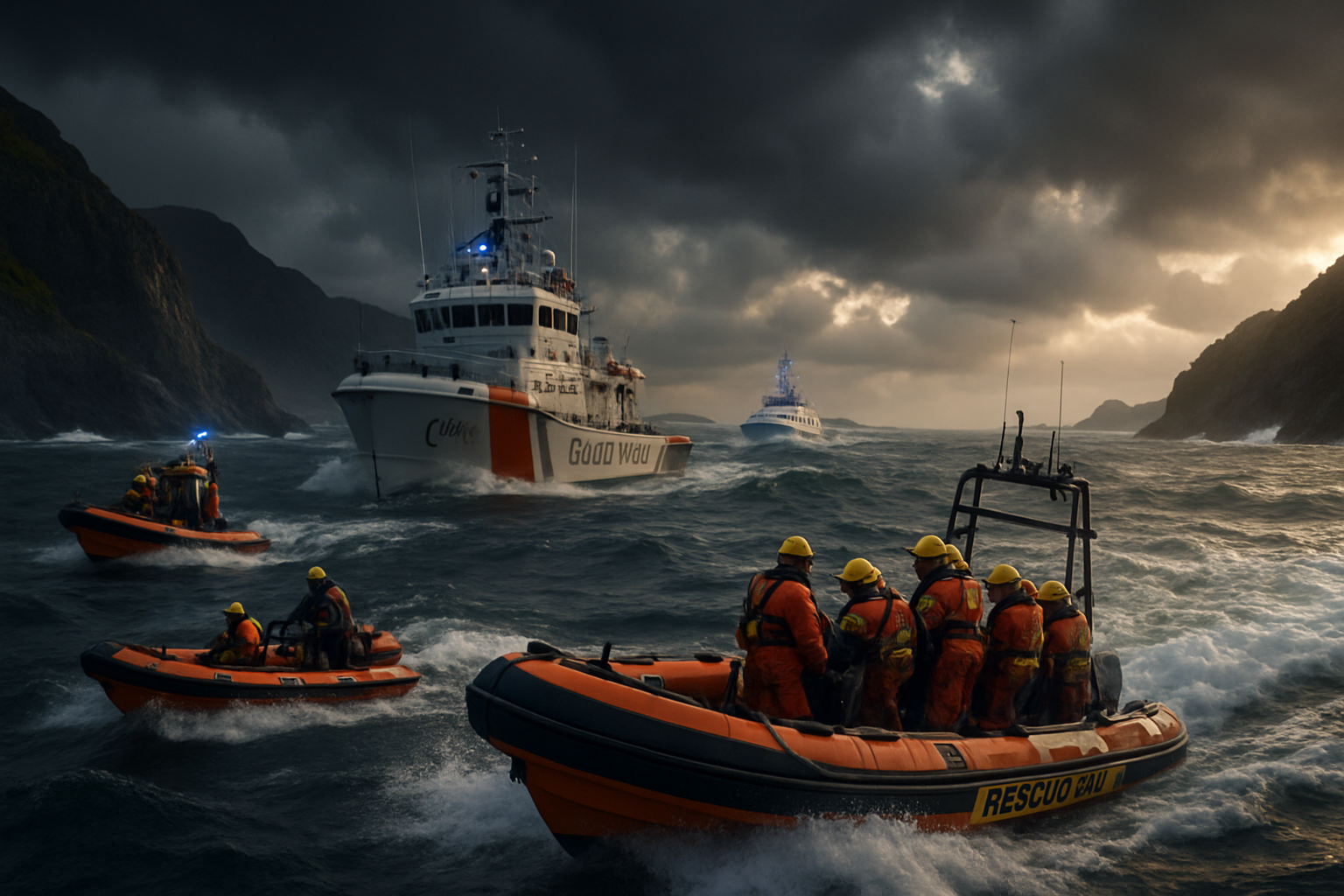
The situation escalated nearly two hours later when police were alerted to a second missing person at approximately 6:10pm. A comprehensive search operation involving police, paramedics, and NSW Marine Rescue volunteers was launched for a 67-year-old man believed to be in distress at sea. His body was recovered around 8pm, bringing the day's death toll to two.
Both victims have been confirmed as fishermen who were working in the area, according to reports from multiple sources. The Sydney Morning Herald identified them specifically as fishermen whose bodies were pulled from Central Coast waters, while 9News reported the tragic circumstances of the double drowning.
"Police are piecing together how the double drowning tragedy unfolded on the NSW Central Coast."
— 9News report
The incident has prompted a coronial investigation, with authorities working to determine the exact circumstances that led to both deaths occurring in such close proximity, both temporally and geographically.
Search Operations Continue in New Zealand
Simultaneously, major search and rescue operations were underway in Greymouth, New Zealand, after reports of a person swept out to sea on Saturday evening. Senior Sergeant Mark Kirkwood of West Coast Search and Rescue confirmed that emergency services were alerted around 6pm after witnesses reported seeing someone carried out by powerful surf conditions.
The Greymouth incident represents another example of the unpredictable and dangerous nature of coastal waters, particularly during adverse weather conditions. Search and rescue teams have been working continuously, though the outcome of these operations remains uncertain.
Historical Context of Maritime Safety Challenges
These latest incidents add to a growing pattern of water-related fatalities across the Pacific region. Recent months have seen numerous maritime emergencies highlighting the persistent dangers faced by both professional fishermen and recreational water users.
The Australia-New Zealand region has experienced several high-profile water rescue incidents this year, including the heroic case of 13-year-old Austin Appelbee, who swam four kilometers through rough seas to rescue his family near Perth in February 2026. That incident, while ending successfully, demonstrated both the heroism of individuals and the inherent risks of maritime activities.
Stephen O'Callaghan's sacrifice in Cork, Ireland, where he died saving six people from a rip current in August 2024, serves as another reminder of the deadly nature of water emergencies and the courage of those who risk everything to save others.
Broader Maritime Safety Concerns
The weekend's fatalities occur within a broader context of maritime safety challenges affecting fishing communities globally. From the Nigerian tugboat LEO capsizing off South Africa to ferry accidents in the Democratic Republic of Congo, 2026 has seen numerous incidents highlighting vulnerabilities in maritime operations.
Australian fishing communities, in particular, face unique challenges operating in some of the world's most dangerous waters. The Central Coast incident underscores the risks faced by those who depend on marine resources for their livelihood, whether through commercial fishing operations or recreational activities.
Emergency response coordination between Australian and New Zealand authorities has improved significantly in recent years, as demonstrated by successful cross-border cooperation during various crisis situations. However, the geographical challenges of searching vast ocean areas continue to test the limits of rescue capabilities.
Impact on Fishing Communities
The loss of two fishermen on the Central Coast represents more than individual tragedies – it reflects the ongoing human cost of maritime industries that provide essential services while exposing workers to significant risks. Fishing communities across Australia have been advocating for enhanced safety measures and better emergency response protocols.
These incidents highlight the importance of proper safety equipment, communication devices, and weather monitoring for all maritime activities. The timing of both incidents – occurring within hours of each other – also raises questions about whether prevailing weather conditions contributed to the dangerous situations.
Regulatory and Safety Responses
Maritime authorities across both Australia and New Zealand are likely to review these incidents as part of ongoing efforts to improve water safety protocols. The pattern of maritime emergencies has led to calls for enhanced coordination between emergency services, better early warning systems, and improved safety training for fishing communities.
The Australian Maritime Safety Authority and Maritime New Zealand have been working to implement international best practices for coastal safety, but incidents like these demonstrate the continued challenges faced by emergency responders operating in challenging maritime environments.
Weather and Environmental Factors
While specific weather conditions at the time of these incidents have not been fully detailed in initial reports, the Pacific region has experienced increasingly unpredictable weather patterns that can create hazardous conditions with little warning. Climate variability has been linked to more extreme weather events affecting maritime operations.
The timing of these incidents during what should be relatively stable weather conditions in March suggests that even routine fishing activities can quickly become dangerous when unexpected circumstances arise.
Looking Forward
As investigations continue into both the Australian and New Zealand incidents, the focus will likely turn to prevention measures and emergency response improvements. The maritime industry across both nations continues to grapple with balancing economic necessities with worker and participant safety.
These tragic events serve as sobering reminders of the sea's unpredictable nature and the importance of maintaining robust safety protocols, emergency preparedness, and international cooperation in maritime rescue operations. They also highlight the human cost borne by fishing communities and the families who depend on maritime industries for their livelihoods.
Memorial services and community support efforts are expected for the victims and their families, while authorities work to prevent similar tragedies through enhanced safety measures and emergency response capabilities.