Maritime safety systems faced critical testing this week as multiple emergency incidents across international waters exposed persistent vulnerabilities in global shipping operations, highlighted by the tragic sinking of a Nigerian tugboat off South Africa's coast that left one crew member dead and five others missing.
The Nigerian vessel LEO capsized in turbulent waters late Saturday night during what began as routine operations, ultimately requiring a coordinated emergency response that rescued 12 crew members while underscoring the ongoing challenges facing maritime safety protocols in increasingly volatile ocean conditions.
Tugboat Disaster Tests Emergency Response Systems
The tragedy struck when the Nigerian tugboat LEO encountered severe weather conditions approximately 50 nautical miles off the South African coastline. According to maritime authorities, the vessel experienced catastrophic failure during deteriorating sea states, leading to rapid capsizing that trapped multiple crew members.
"This type of incident demonstrates the persistent risks facing maritime workers, even during routine operations," explained Captain James Morrison, a maritime safety expert with over two decades of experience in international waters. "Tugboats operate in some of the most challenging conditions, often assisting larger vessels in distress or conducting complex harbor operations."
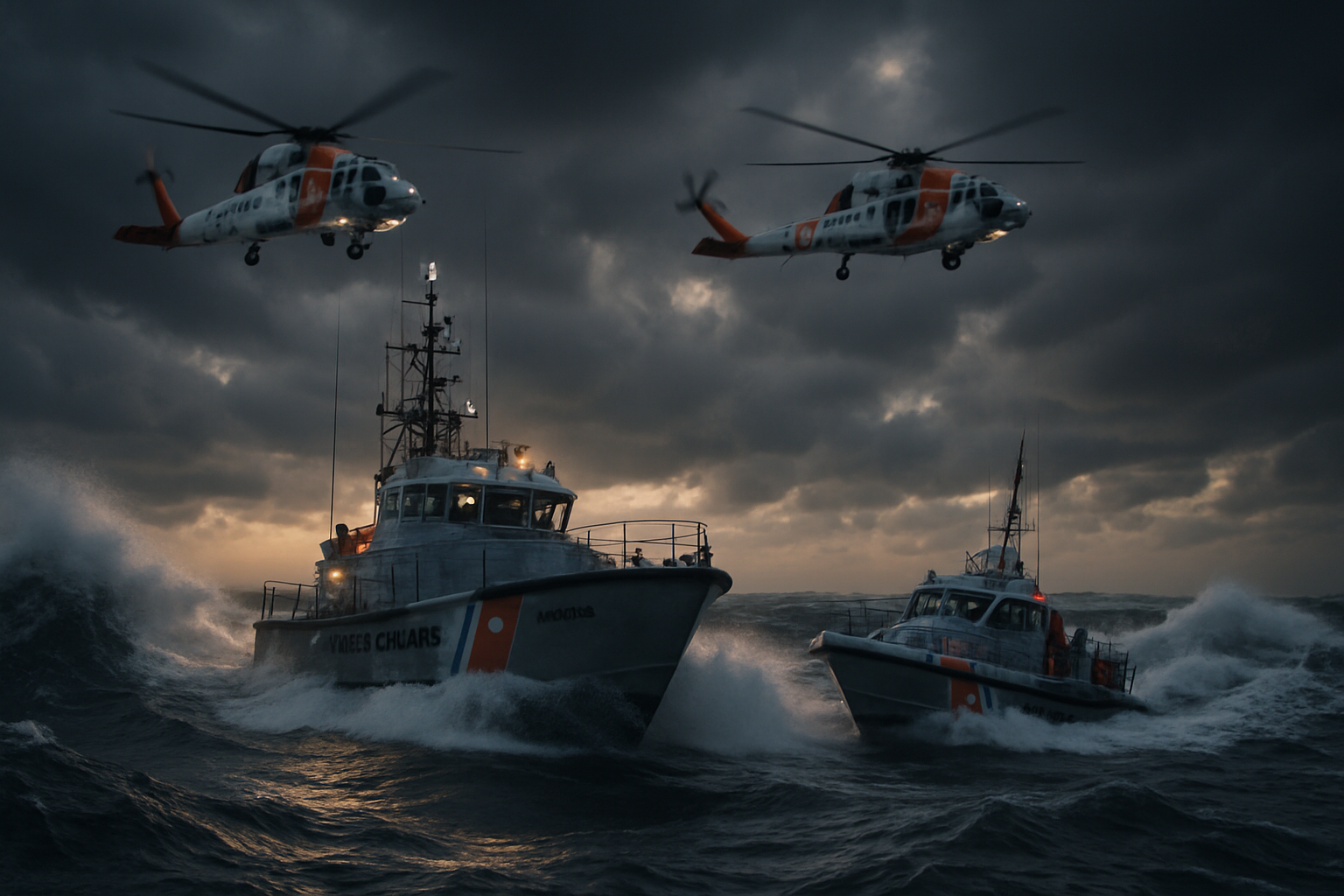
Emergency responders launched an immediate search and rescue operation involving multiple vessels, aircraft, and specialized maritime rescue teams. The coordinated response successfully recovered 12 survivors from the water, with one crew member confirmed dead at the scene. However, five crew members remain missing despite extensive search efforts covering hundreds of square nautical miles.
Concurrent Incidents Strain Regional Capacity
The Nigerian tugboat disaster occurred alongside additional maritime emergencies that tested regional emergency response capabilities. In Latvia, rescue services responded to reports of two teenagers requiring assistance after becoming stranded on ice formations in the Lielupe River near Jelgava, highlighting the seasonal risks facing both professional mariners and recreational water users.
While the Latvian incident involved much smaller scale than the tugboat disaster, it demonstrated the breadth of maritime safety challenges facing authorities worldwide. Local fire and rescue services successfully extracted both individuals without serious injury, but the incident required significant resource deployment during already strained operational periods.
"Every maritime emergency, regardless of scale, tests our preparedness and response capabilities. The convergence of multiple incidents challenges our ability to maintain adequate coverage across all threatened areas."
— Chief Maritime Rescue Coordinator, South African Maritime Safety Authority
Historical Context and Growing Challenges
The recent incidents occur within a broader pattern of maritime safety challenges that have intensified throughout early 2026. Analysis of historical maritime emergency data reveals concerning trends in both the frequency and complexity of rescue operations required across international waters.
Earlier this year, maritime authorities responded to a series of significant incidents including multiple shipping emergencies across European waters, demonstrating how extreme weather conditions and operational pressures continue testing safety systems designed for more predictable maritime environments.
The challenges facing modern maritime operations extend beyond individual incidents to encompass systematic vulnerabilities in aging fleet infrastructure, limited emergency response resources, and the increasing unpredictability of oceanic conditions influenced by climate variability.
Technology and International Cooperation
Modern maritime rescue operations rely heavily on sophisticated coordination between multiple national authorities, satellite communication systems, and advanced search technologies. The Nigerian tugboat response demonstrated both the capabilities and limitations of current international maritime emergency frameworks.
Rescue coordination centers utilized satellite tracking, automated distress signaling systems, and real-time weather data to optimize search patterns and resource deployment. However, the vast distances involved in ocean rescue operations, combined with challenging weather conditions, continue to limit the effectiveness of even the most advanced response systems.
International maritime law requires vessels to assist others in distress, creating a network of potential rescue resources that proved crucial in the LEO incident. Commercial vessels in the area diverted to assist in search operations, while military and coast guard assets provided specialized rescue capabilities.
Economic and Human Impact
The human cost of maritime accidents extends far beyond immediate casualties to encompass economic disruption for shipping companies, insurance providers, and the broader global supply chain network that depends on reliable maritime transportation.
For the families of missing crew members, the uncertainty surrounding ongoing search operations represents an agonizing wait for information about loved ones. Maritime worker advocates emphasize that behind every incident statistic are real people whose livelihoods and safety depend on robust maritime safety systems.
The economic implications include potential changes to insurance requirements, enhanced safety equipment mandates, and possible modifications to operational procedures that could affect the efficiency and cost-effectiveness of global shipping operations.
Regulatory Response and Industry Changes
Maritime safety authorities are reviewing the circumstances surrounding recent incidents to identify potential regulatory improvements and industry best practices that could prevent similar tragedies. This includes examination of crew training requirements, vessel maintenance standards, and emergency response protocols.
Industry experts emphasize that effective maritime safety requires continuous adaptation to changing operational environments, technological capabilities, and regulatory frameworks. The international nature of shipping operations necessitates coordinated approaches that transcend individual national jurisdictions.
Recent incidents have renewed discussions about enhanced international cooperation mechanisms, standardized emergency response procedures, and improved information sharing between maritime authorities across different regions.
Looking Forward: Strengthening Maritime Safety
As search operations continue for the missing crew members from the LEO, maritime authorities are implementing immediate improvements to emergency response capabilities while planning longer-term enhancements to safety systems.
The lessons learned from recent incidents will likely influence international maritime safety regulations, emergency response protocols, and industry practices for years to come. Success in preventing future tragedies depends on sustained commitment to safety improvements across all levels of the maritime industry.
For maritime workers and their families, these incidents serve as stark reminders of the inherent risks in ocean-based occupations and the critical importance of robust safety systems that can respond effectively when emergencies occur in some of the world's most challenging operational environments.