A spate of deadly transportation incidents across multiple African regions has highlighted critical vulnerabilities in maritime and transportation safety infrastructure, with at least 11 people confirmed dead or missing across three separate incidents involving ferry operations and naval vessels.
The most tragic incident occurred on Friday morning, February 13, when a ferry accident on the Kalelu crossing between Lomami and Kasaï-Oriental provinces in the Democratic Republic of Congo resulted in eight people reported missing and presumed drowned. According to witness accounts, approximately twelve passengers were aboard a vehicle being transported on the ferry during the river crossing when the accident occurred.
The Kalelu ferry operates as a vital transportation link connecting the Bakua Mulumba chiefdom in Lomami province with the Bakua Kalonji chiefdom in Kasaï-Oriental province. Local authorities and rescue teams launched immediate search operations, though the challenging terrain and limited resources in the region have complicated recovery efforts.
Naval Tragedy Strikes Senegal River
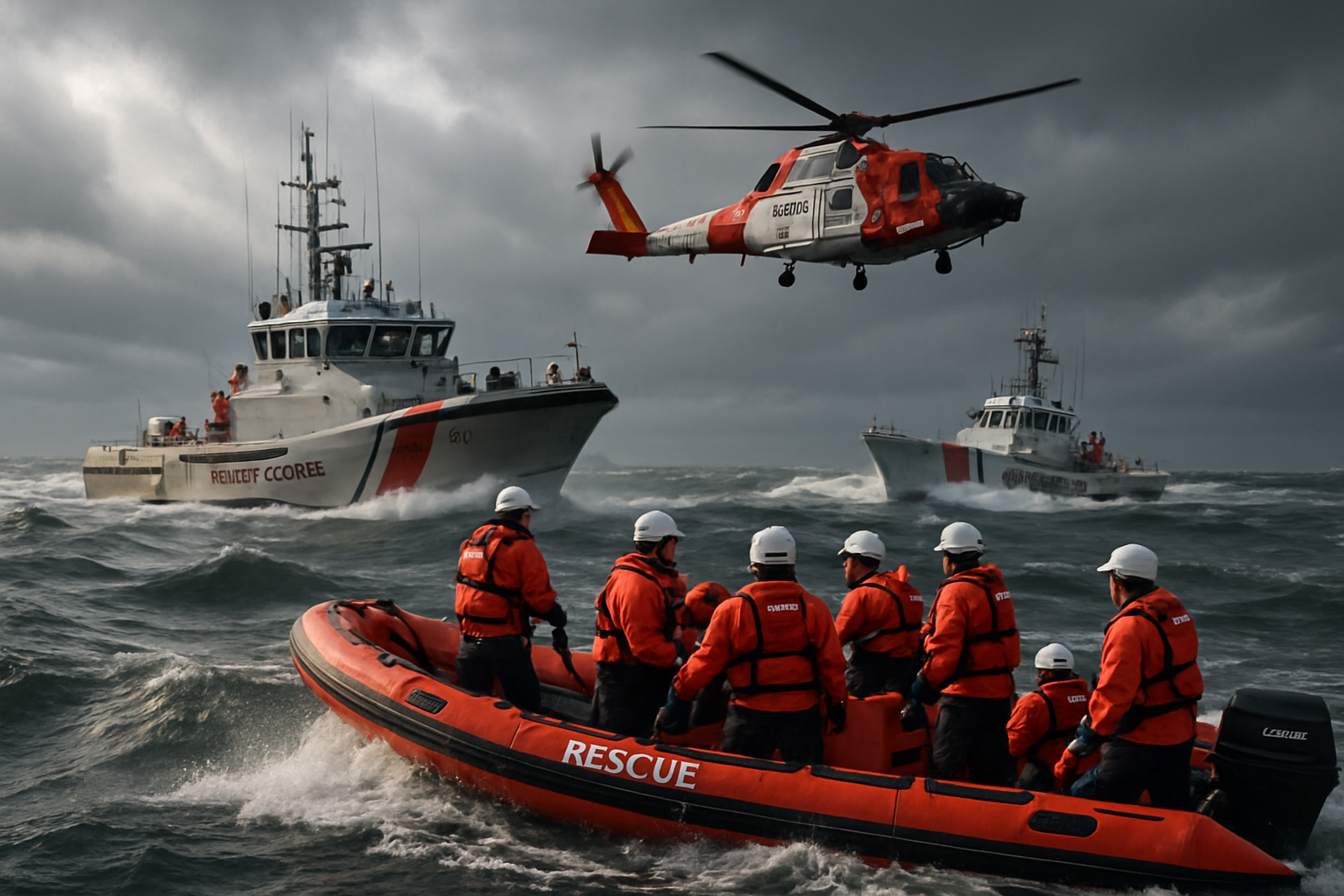
In a separate maritime incident, the Senegalese Navy suffered a devastating loss when one of its patrol vessels capsized at the mouth of the Senegal River on Thursday morning. The tragedy claimed the lives of three naval personnel, while ten crew members were successfully rescued from the turbulent waters.
According to the Direction of Information and Public Relations of the Armed Forces (Dirpa), the incident occurred at approximately 9:00 AM while the naval vessel was conducting a routine liaison mission in the maritime zone. The capsizing was attributed to violent waves caused by deteriorating weather conditions and strong swells that overwhelmed the patrol boat's stability.
The Senegalese Navy immediately launched a large-scale search and rescue operation to locate the three missing sailors, deploying multiple vessels and aircraft in coordination with maritime rescue services. The swift response enabled the successful rescue of ten crew members, though three personnel remain unaccounted for despite extensive search efforts.
"The incident occurred during routine operations, but the sudden deterioration of weather conditions created extremely hazardous maritime conditions that proved fatal."
— Senegalese Navy Spokesperson
Pattern of Transportation Vulnerabilities
These incidents reflect broader challenges facing transportation safety across the continent, where aging infrastructure, limited maintenance resources, and extreme weather conditions create potentially deadly combinations. The Congo ferry system, vital for connecting remote communities across the vast river network, operates with minimal safety oversight and often antiquated equipment.
Maritime operations face particular challenges from unpredictable weather patterns, with traditional safety protocols proving inadequate for increasingly volatile conditions. The Senegalese naval incident demonstrates how even professional military operations can be overwhelmed by sudden weather changes, highlighting the vulnerability of all maritime activities to environmental factors.
Emergency Response Coordination
The response to these incidents has highlighted both the strengths and limitations of emergency coordination in the affected regions. While local authorities and naval forces mobilized quickly to conduct search and rescue operations, the remote locations and challenging conditions have impeded recovery efforts.
In the Democratic Republic of Congo, the vast distances and limited communication infrastructure in rural areas make coordinating large-scale rescue operations particularly challenging. The ferry accident site's remote location has complicated efforts to deploy specialized rescue equipment and medical personnel.
The Senegalese Navy's response demonstrated more advanced capabilities, with multiple vessels and aircraft participating in the search operation. However, the incident underscores the risks faced by naval personnel conducting routine operations in challenging maritime environments.
Infrastructure and Safety Concerns
These incidents occur against a backdrop of broader transportation infrastructure challenges across the region. River ferry systems in the Democratic Republic of Congo serve as lifelines for communities with limited access to road networks, but safety standards and equipment maintenance often lag behind operational demands.
Naval and maritime operations face increasing pressure from climate-related weather volatility, with traditional forecasting and safety procedures struggling to adapt to rapidly changing conditions. The frequency of extreme weather events has increased pressure on all maritime operators to enhance safety protocols and emergency preparedness.
Regional experts emphasize the need for comprehensive safety assessments of ferry operations, particularly those serving remote communities with limited alternative transportation options. Enhanced weather monitoring systems and improved communication networks are seen as critical investments for reducing future risks.
International Context and Lessons
These African incidents mirror transportation safety challenges being experienced globally, with recent months seeing a pattern of accidents across multiple continents. From European storm-related transportation disruptions to infrastructure failures in various regions, the pattern suggests systemic vulnerabilities in transportation safety protocols.
Maritime safety experts note that the simultaneous occurrence of multiple transportation incidents across different regions points to the need for enhanced international cooperation in sharing safety best practices and emergency response protocols. The lessons learned from these incidents could inform safety improvements for similar operations worldwide.
The geographic spread of these incidents—from river crossings in Central Africa to naval operations on the Atlantic coast—demonstrates that transportation safety challenges transcend national boundaries and operational contexts, requiring coordinated international attention and resource allocation.
Moving Forward: Safety and Preparedness
In the aftermath of these tragic incidents, authorities across the affected regions are calling for comprehensive reviews of transportation safety protocols. The Democratic Republic of Congo is expected to examine ferry safety standards and emergency response capabilities, particularly for remote river crossings that serve as vital transportation links.
The Senegalese Navy incident will likely prompt reviews of maritime patrol procedures and weather assessment protocols, with emphasis on ensuring personnel safety during routine operations. Enhanced forecasting capabilities and improved communication systems are expected to be priority areas for investment.
Regional transportation authorities are emphasizing the importance of regular safety assessments, equipment maintenance, and crew training programs. The incidents serve as stark reminders that even routine transportation operations carry significant risks that require constant vigilance and preparedness.
As search and rescue operations continue for the missing individuals, these incidents underscore the urgent need for enhanced safety measures, improved emergency response capabilities, and greater international cooperation in addressing transportation safety challenges that affect vulnerable communities across multiple regions.