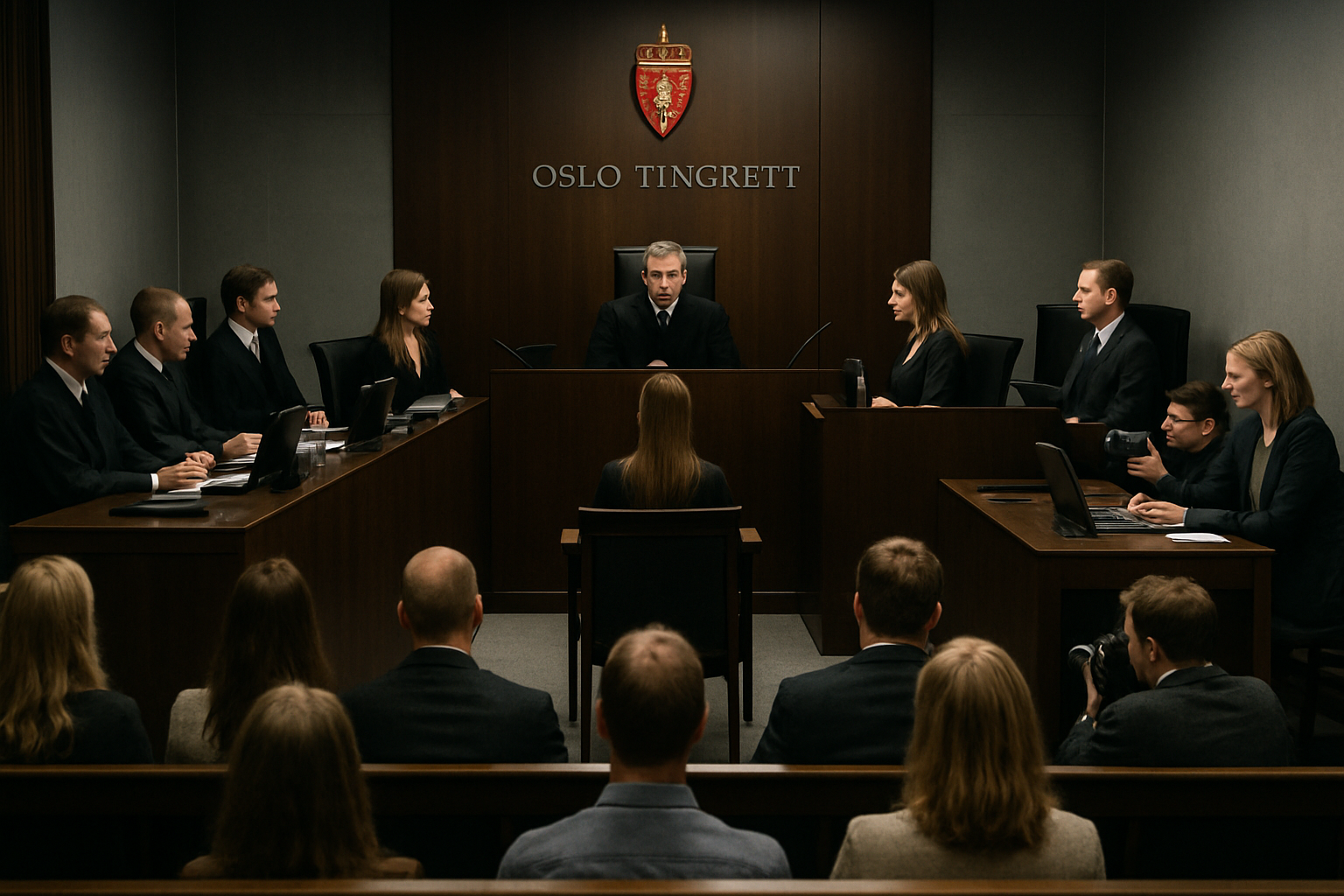
Marius Borg Høiby, the 29-year-old son of Crown Princess Mette-Marit, began his highly anticipated testimony at Oslo District Court on February 4, 2026, describing the experience as "completely insane and difficult to talk about" as he faces 38 criminal charges spanning six years.
The unprecedented trial, now in its second day, has captured international attention as Høiby confronts multiple allegations including four counts of rape, domestic violence, drug possession, knife threats, and restraining order violations dating from 2018 to 2024. The stepson of Crown Prince Haakon could face up to 16 years in prison if convicted on all charges.
Victim Testimony Reveals Shocking Details
Before Høiby took the witness stand, the court heard from an alleged rape victim who testified about events at Skaugum, the Crown Prince's residence, in December 2018. The woman, whose identity is protected by court order, told the court she was shocked to learn from police that the incident had allegedly been filmed.
"I couldn't understand that Marius could do something like that to me"
— Alleged victim, testifying in court
The victim's testimony, delivered behind closed doors with only limited details released due to reporting restrictions, revealed she had maintained a positive opinion of Høiby before being shown the alleged video evidence by investigators. Her legal representative, prominent defense attorney John Christian Elden, emphasized the psychological impact on his client, noting that seven years had passed since the alleged incident.
Høiby's Defense Strategy Emerges
During the first day of proceedings, Høiby pleaded not guilty to all rape charges while admitting partial guilt to some lesser offenses including bodily harm. His defense team has characterized the environment surrounding Høiby as one where "sex is a very large part," signaling their strategy to challenge the credibility of prosecutors, police, media, and victims.
The trial is expected to last seven weeks, with packed international media coverage from Europe, North America, and Asia. Citizens queued for hours to secure seats in the public gallery, underscoring the intense public interest in the case.
Royal Family Under Unprecedented Pressure
The trial coincides with a separate crisis engulfing Crown Princess Mette-Marit, whose name appears over 1,000 times in recently released Jeffrey Epstein documents, revealing what investigators describe as "intimate messages" and an "unexpectedly close relationship" with the convicted sex offender. Norwegian authorities are considering criminal investigations into the royal Epstein connections.
In an unprecedented move, Sex og Samfunn (Sex and Society), a major Norwegian organization, terminated all collaborative partnerships with the Crown Princess following the Epstein revelations—marking the first major institutional rejection of royal family involvement in modern Norwegian history.
Crown Princess Cancels Travel Plans
Originally scheduled for a private trip abroad, Crown Princess Mette-Marit canceled her travel plans to remain in Norway during her son's trial. The royal family visited Høiby at the hospital on Monday evening before the trial began, but they will not attend court sessions, maintaining institutional distance from the judicial proceedings.
Legal Proceedings and Recent Arrests
Høiby's court appearance comes just days after his re-arrest on February 1, 2026, for new charges including knife threats and restraining order violations against a former girlfriend. Oslo District Court ordered his detention until March 2, representing an escalation in what prosecutors describe as a pattern of alleged violence against multiple former partners.
The charges span nearly four decades of alleged criminal behavior, with the most serious rape allegations dating to incidents at Skaugum in 2018. Prosecutors have assembled what they call a comprehensive case demonstrating escalating violent behavior and systematic violations of court orders.
Constitutional and Institutional Implications
Royal expert Sigrid Hvidsten has characterized the dual scandals as the "largest royal scandal in modern history," warning that the kingdom's security could be at risk. The crisis represents an existential threat to the Norwegian constitutional monarchy, with polling suggesting nearly half of Norwegians believe Mette-Marit is unfit to become queen.
"Only honesty can end this crisis"
— Former Prime Minister Erna Solberg
The case tests Norway's commitment to judicial independence and equal treatment under the law, regardless of royal status. International observers view it as a precedent for European constitutional monarchies facing questions about accountability and transparency.
Media Coverage and Public Interest
Norwegian media outlets have grappled with complex ethical dilemmas in covering the trial, balancing privacy concerns with legitimate public interest. Se og Hør editor admitted to sitting on Høiby information for years and expressed regret about not publishing earlier, while acknowledging widespread accusations of special treatment by police.
The court has imposed strict reporting restrictions to protect victim identities, with NRK and other major outlets carefully navigating what can be published while the case proceeds through closed-door sessions for sensitive testimony.
International Ramifications
The trial has drawn comparisons to other recent cases involving European royalty and questions of institutional accountability. International media coverage has focused on how Norway's handling of the case could influence similar situations in other constitutional monarchies.
The dual nature of the crisis—combining Høiby's criminal charges with his mother's Epstein connections—has created what experts describe as an unprecedented challenge to monarchical institutions in the 21st century.
Looking Ahead
As testimony continues over the coming weeks, the trial will examine evidence spanning multiple alleged victims, incidents, and years of alleged criminal behavior. The prosecution must prove its case beyond reasonable doubt while the defense challenges the credibility and motivations of witnesses and investigators.
The outcome will likely determine not only Høiby's personal fate but also influence the future of Norway's constitutional monarchy. With public support for the royal family reportedly declining and some citizens expressing desire for the "royal family to be gone within ten years," the stakes extend far beyond the Oslo courtroom.
The trial represents a critical test of Norway's democratic institutions and commitment to equal justice under law, with international implications for constitutional monarchies worldwide facing questions about transparency, accountability, and institutional survival in the modern era.