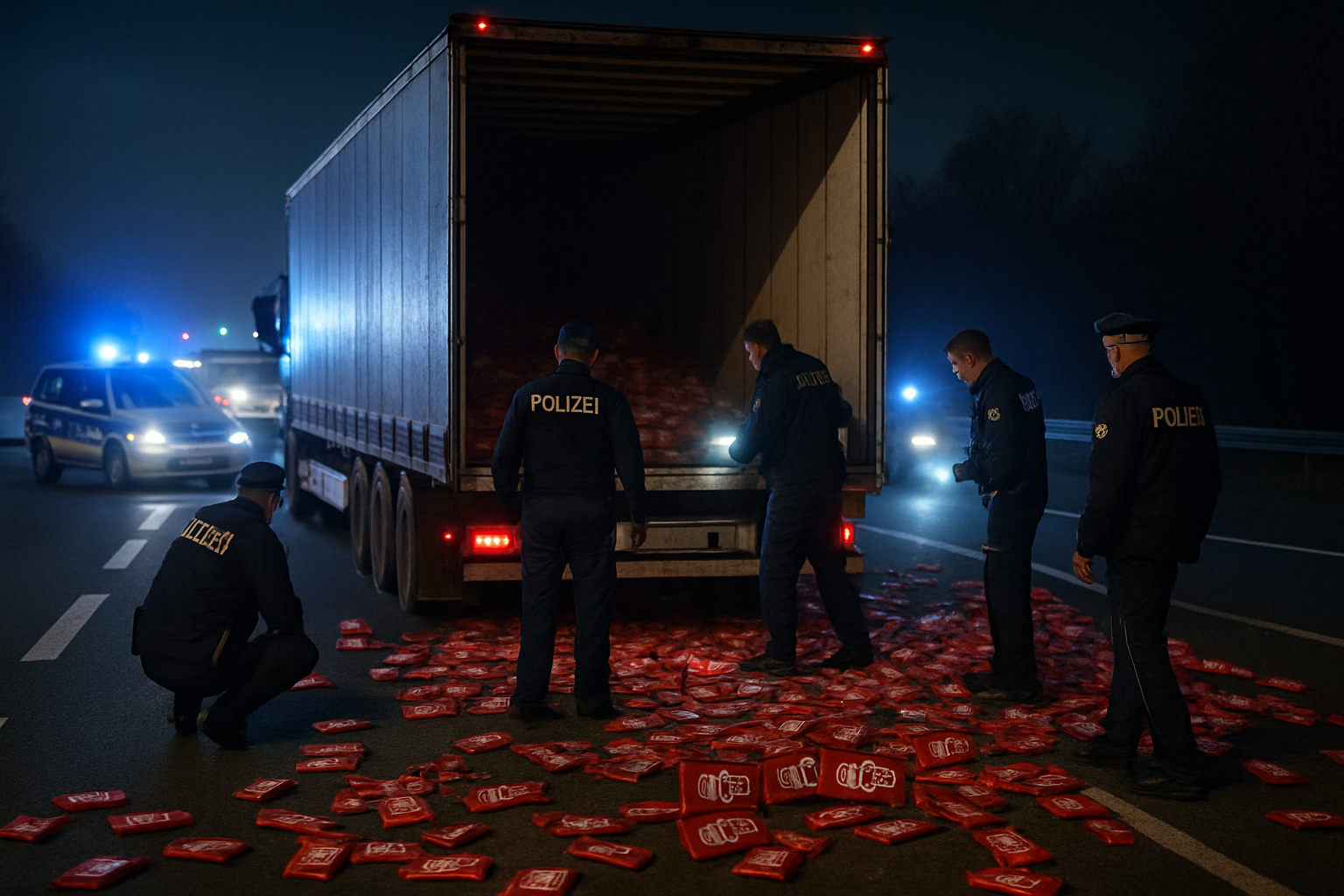
In one of Europe's most audacious food thefts, criminals have successfully stolen 12 tonnes of KitKat chocolate bars—equivalent to 413,793 individual candy bars—while the cargo was en route from Italy to Poland, leaving investigators baffled and the entire vehicle missing without a trace.
Swiss multinational food corporation Nestlé, headquartered in Vevey, Switzerland, confirmed the massive theft in an official statement released this week, revealing that both "the vehicle and its load are still nowhere to be found" despite ongoing investigations by European law enforcement agencies.
The shipment of the iconic crunchy wafer bars covered in milk chocolate disappeared last week during what should have been a routine transit between Nestlé's production facilities in Italy and distribution centers serving the Polish market. The timing of the theft, occurring just weeks before the Easter holiday season when chocolate demand peaks across Europe, has raised concerns about potential supply chain disruptions.
Scale of the Operation
The sheer magnitude of this theft places it among the largest food-related crimes in recent European history. To put the scale into perspective, 12 tonnes of chocolate represents approximately 400,000 individual KitKat bars, which would typically retail for several million euros across European markets.
Industry experts suggest that moving 12 tonnes of chocolate requires sophisticated logistical planning, indicating this was likely not an opportunistic crime but rather a well-orchestrated operation by organized criminals familiar with food transport logistics and chocolate market values.
"The disappearance of an entire truck carrying this volume of product suggests a highly coordinated criminal enterprise with detailed knowledge of transport routes and timing."
— Food Industry Security Expert
Each KitKat bar in the stolen shipment carries unique batch codes that make them traceable through Nestlé's quality control systems. However, criminals operating in black markets or planning to export the stolen goods to regions with less stringent tracking may attempt to circumvent these identification systems.
Growing European Cargo Theft Crisis
This incident highlights a troubling trend in European cargo theft, where criminal organizations increasingly target valuable consumer goods during peak demand periods. The food and beverage sector has become particularly vulnerable due to the high resale value of branded products and the complexity of tracking stolen goods once they enter illicit distribution networks.
Previous similar incidents across Europe have involved thefts of luxury food items, alcoholic beverages, and premium consumer goods, with criminals often targeting trucks during mandatory rest periods or while vehicles are parked overnight at service areas along major European highways.
The route between Italy and Poland represents one of Europe's busiest commercial corridors, with thousands of trucks carrying goods across multiple international borders daily. This high-volume traffic provides cover for criminal operations while making comprehensive security monitoring extremely challenging for authorities.
Impact on Easter Market
The timing of this theft could not be worse for chocolate suppliers across Central and Eastern Europe. Easter represents one of the most lucrative periods for chocolate sales, with consumers traditionally purchasing premium chocolate gifts and seasonal confectionery items.
While Nestlé maintains extensive production capacity across its European facilities, replacing 400,000 units of product requires adjusting manufacturing schedules and potentially diverting supplies intended for other markets. The company has not yet indicated whether this theft will affect chocolate availability during the crucial Easter shopping period.
Retailers who were expecting these specific KitKat shipments may need to source alternative products or adjust their Easter promotional campaigns, potentially affecting sales projections and consumer satisfaction during the peak seasonal period.
Investigation Challenges
Law enforcement agencies across multiple European jurisdictions are coordinating their investigation efforts, but the cross-border nature of the crime presents significant challenges. The truck could have been intercepted anywhere along the extensive route from Italy to Poland, requiring cooperation between Italian, Austrian, Czech, and Polish authorities.
Modern cargo tracking systems typically monitor vehicle locations throughout international journeys, but sophisticated criminal organizations have developed methods to disable or circumvent these technologies. The complete disappearance of both the vehicle and its cargo suggests criminals may have transferred the chocolate to other vehicles or storage facilities to avoid detection.
Investigators are examining surveillance footage from highways, border crossings, and truck stops along the planned route, while also monitoring black market networks known for distributing stolen food products. The unique nature of KitKat packaging may help authorities identify the stolen goods if they surface in unauthorized sales channels.
Food Supply Chain Vulnerabilities
This incident exposes broader vulnerabilities in Europe's complex food distribution networks. As manufacturers increasingly rely on just-in-time delivery systems to minimize storage costs and maximize efficiency, cargo theft can have disproportionate impacts on product availability.
The international nature of modern food supply chains means that a single theft incident can affect markets across multiple countries. In this case, Polish consumers expecting KitKat products for Easter celebrations may find reduced availability due to criminal activity occurring hundreds of kilometers away in another European Union member state.
Security experts recommend enhanced coordination between manufacturers, logistics companies, and law enforcement agencies to address the growing threat of organized cargo theft targeting high-value consumer goods.
Corporate Response and Recovery
Nestlé has indicated it is working closely with law enforcement agencies and insurance companies to investigate the theft and mitigate any potential market impact. The company's statement emphasized their commitment to maintaining product supply across European markets despite this significant loss.
As one of the world's largest food manufacturers, Nestlé maintains comprehensive insurance coverage for cargo shipments, which should cover the financial loss from this theft. However, the reputational impact and potential supply disruptions represent challenges that extend beyond simple financial compensation.
The company has implemented additional security measures for future shipments while the investigation continues, though specific details of these enhanced protocols have not been disclosed to protect operational security.
This unprecedented chocolate heist serves as a stark reminder of the sophisticated criminal enterprises operating within Europe's commercial transport networks, highlighting the need for enhanced security cooperation across international borders to protect legitimate businesses and consumers from organized theft operations.