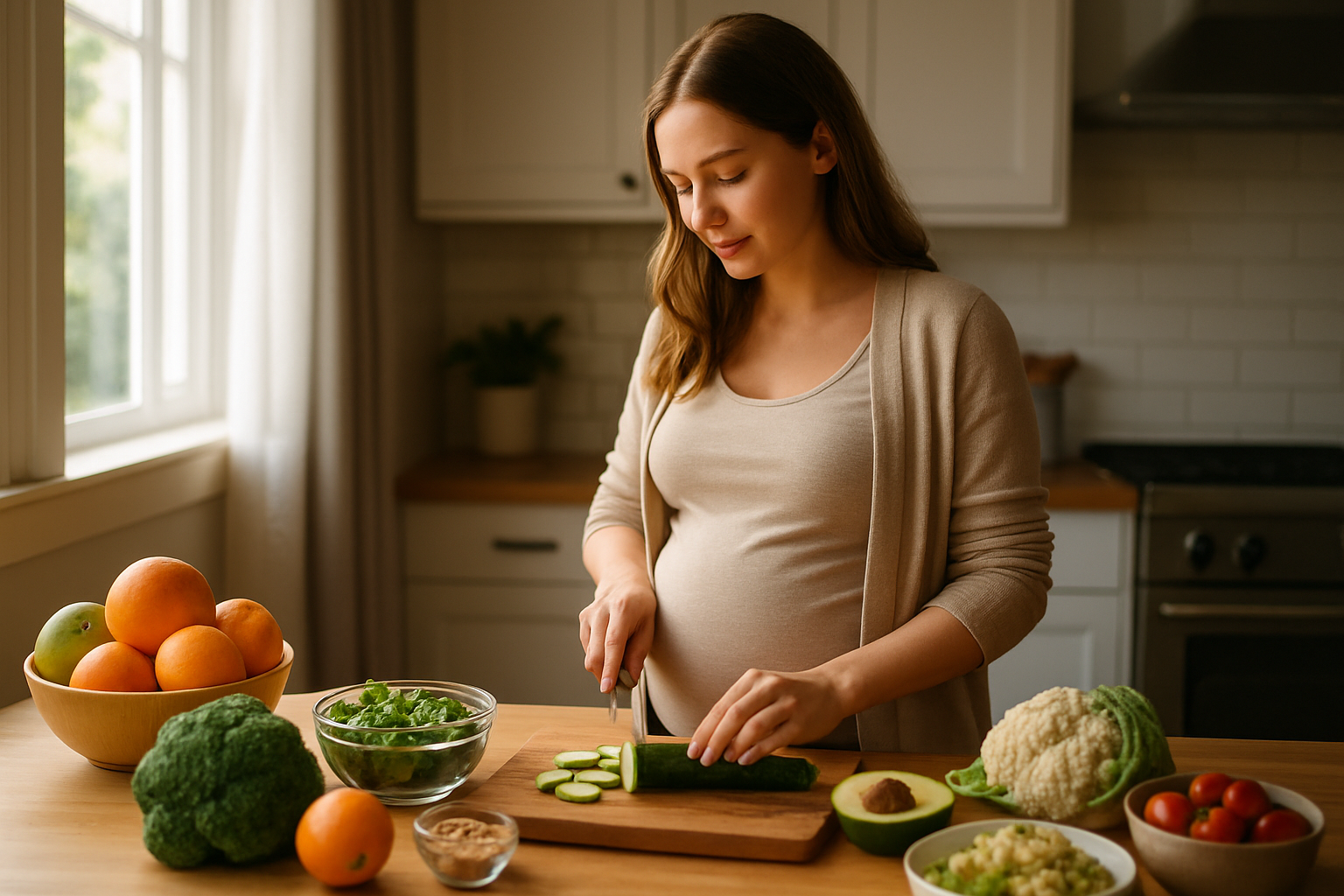
While the global debate over weight-loss medications dominates headlines, nutrition experts are issuing an urgent warning about a far more fundamental issue: the profound and permanent impact of maternal diet on child health outcomes that extends throughout a lifetime.
Biochemist and "Glucose Goddess" Jessie Inchauspé argues that society's focus on quick-fix pharmaceutical solutions has overshadowed the most critical question in public health: how nutrition during pregnancy permanently shapes the health trajectory of the next generation. Her warning comes as part of an emerging global understanding that the first 1000 days of life—from conception through age 2—represent the most crucial window for lifelong health programming.
The Critical Programming Window
Recent research from Frankfurt experts during the ongoing "Therapeutic Revolution of 2026" demonstrates that the first 1000 days of life establish lifelong health patterns through epigenetic programming. Dr. Andreas Michalsen, a Berlin internist and nutritional medicine specialist, emphasizes that maternal dietary choices during this critical period create permanent changes in gene expression that influence everything from metabolic function to cognitive development.
"The nutrition a mother provides during pregnancy and early infancy doesn't just affect immediate growth—it programs the child's cellular machinery for decades to come," explains Dr. Michalsen, whose evidence-based research combines traditional dietary patterns with modern nutritional science.
"The debate over the weight-loss injection obscures the real question: How does nutrition affect our health? And especially that of our children?"
— Jessie Inchauspé, Biochemist and "Glucose Goddess"
Global Evidence Supporting Maternal Nutrition Impact
International research spanning multiple continents provides compelling evidence for the lifelong impact of maternal nutrition. A landmark study by Ben-Gurion University researchers, in collaboration with the Israeli Health Ministry, tracked 1.2 million infants over a decade, definitively demonstrating that early nutritional programming affects developmental outcomes regardless of dietary pattern—whether vegetarian, vegan, or omnivorous.
The research challenges long-held assumptions about childhood nutrition requirements while confirming that the quality and timing of maternal nutrition during pregnancy and breastfeeding creates the foundation for all subsequent dietary patterns. Children whose mothers maintained optimal nutrition during pregnancy showed superior cognitive development, immune function, and metabolic health regardless of the specific dietary approach adopted by the family.
The Science Behind Nutritional Programming
Recent Slovak research reveals that maternal diet influences brain aging patterns, with specialized nutrition capable of slowing brain aging by up to 3 years through nerve cell protection and neuroplasticity promotion. This research builds on Harvard studies involving over 132,000 participants, confirming that specific dietary compounds consumed during pregnancy create lasting cognitive protection for children.
German research specifically identifies the critical role of protein-rich, nutrient-dense foods during pregnancy in supporting neurodevelopment, immune function, and emotional regulation. Strategic maternal nutrition affects not only learning capacity but also emotional stability and physical resilience throughout childhood and into adulthood.
International Prevention-First Healthcare Revolution
These findings emerge within what experts are calling the "Therapeutic Revolution of 2026," a global shift toward prevention-first healthcare strategies that prioritize maternal and child health over reactive treatment models. Countries implementing comprehensive prevention programs report superior cost-effectiveness through decreased crisis interventions and improved population health outcomes.
The economic implications are staggering: prevention-focused maternal nutrition strategies demonstrate measurable benefits through decreased medical interventions, improved educational outcomes, enhanced workforce productivity, and reduced social service demands. Countries investing in comprehensive maternal health education report community resilience improvements that extend far beyond immediate health benefits.
Practical Implementation Strategies
Nutrition experts emphasize that optimal maternal nutrition doesn't require expensive interventions or exotic superfoods. Research from Slovakia and other European countries validates traditional foods over expensive superfood marketing, focusing on accessible, nutrient-dense options that provide comprehensive nutritional support.
Key recommendations include:
- Emphasis on whole, minimally processed foods during pregnancy
- Strategic protein optimization (20-30g with healthy fats for sustained energy)
- Focus on traditional dietary patterns validated by scientific research
- Integration of cultural food wisdom with modern nutritional understanding
- Professional guidance for personalized nutrition approaches
Global Cooperation and Knowledge Sharing
Despite challenges facing traditional multilateral health organizations, international cooperation continues driving maternal nutrition research through bilateral partnerships and peer-to-peer knowledge sharing networks. Countries are developing culturally responsive approaches that maintain evidence-based medical standards while respecting local food traditions and economic realities.
This distributed cooperation model allows smaller nations to contribute research methodologies while larger countries offer technological innovations and implementation resources, creating a comprehensive global understanding of maternal nutrition's impact on child health.
The Wellness Paradox and Sustainable Approaches
Experts warn against the "wellness paradox," where constant nutritional perfectionism creates anxiety rather than genuine health improvements. Successful maternal nutrition programs emphasize sustainable dietary patterns over rigid restrictions, cultural adaptation over one-size-fits-all approaches, and gradual implementation over dramatic lifestyle overhauls.
The most effective interventions focus on addition rather than elimination, providing evidence-based information that empowers informed choices while acknowledging individual variation and cultural contexts. This approach proves more sustainable and effective than restrictive dietary mandates that may create stress during the critical prenatal period.
Future Implications for Global Health
As the global community grapples with rising healthcare costs and chronic disease burdens, maternal nutrition represents perhaps the most powerful intervention for improving population health outcomes. The convergence of traditional dietary wisdom with modern scientific validation offers unprecedented opportunities for prevention-focused healthcare strategies.
The window for implementing comprehensive maternal nutrition programs is critical, as environmental pressures and changing food systems create new challenges for optimal prenatal nutrition. Success depends on sustained political commitment, adequate resource allocation, comprehensive professional training, and continued international cooperation.
The evidence is clear: while pharmaceutical interventions may offer short-term solutions for individual health challenges, the most profound and lasting impact on global health comes from ensuring optimal nutrition during the critical 1000-day window that shapes every child's health destiny. As Inchauspé emphasizes, this fundamental truth deserves urgent attention before society becomes further distracted by quick-fix solutions that address symptoms rather than root causes.