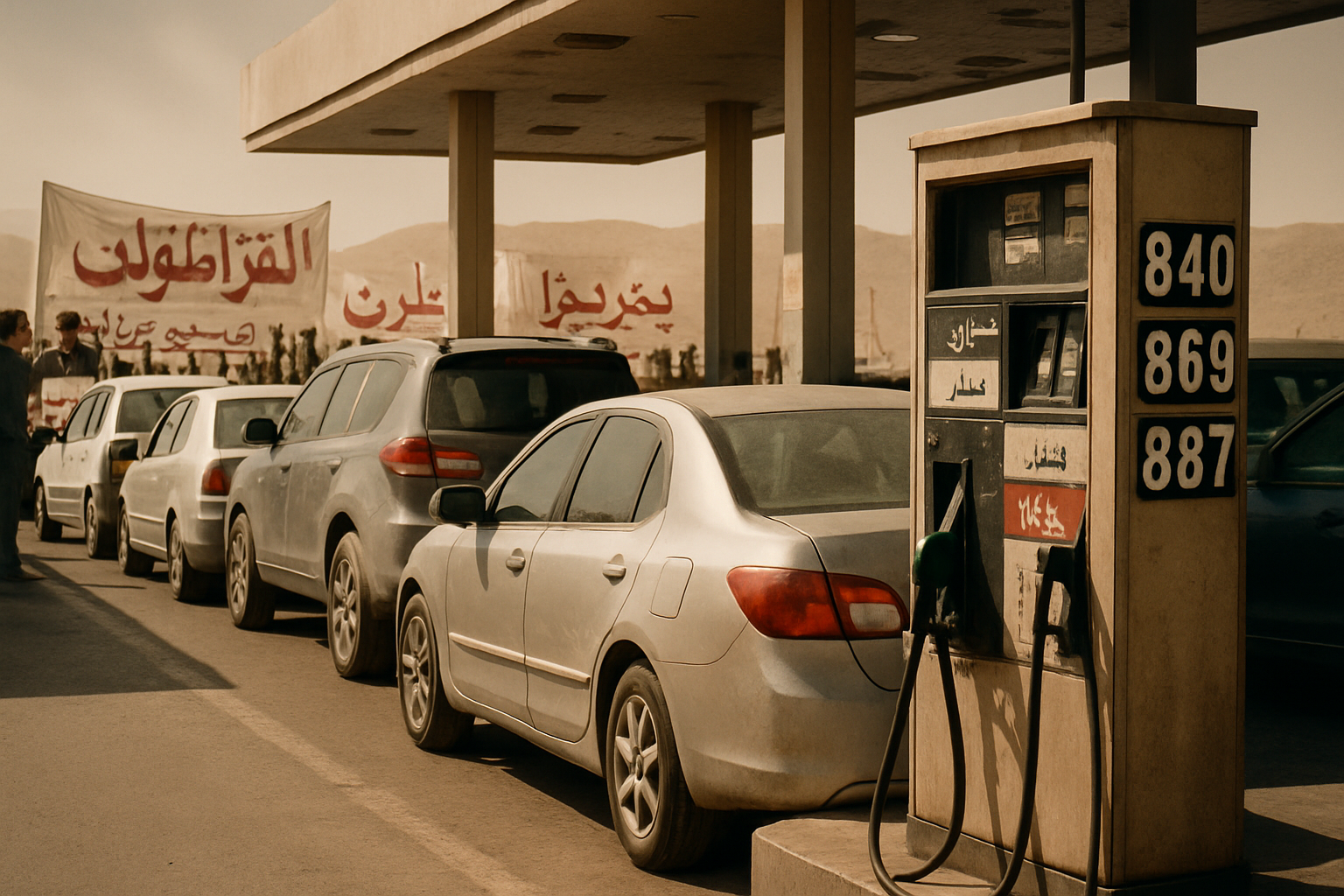
Mauritania's opposition coalition has called for urgent national dialogue involving experts and economic stakeholders to review government fuel price measures, as the West African nation grapples with the most severe global energy crisis since the 1970s oil shocks.
The Democratic Opposition Coalition issued a statement demanding comprehensive consultation on recent government decisions affecting fuel and domestic gas prices, which were implemented in response to escalating tensions in the Middle East. The measures have imposed "additional burdens" on citizens, according to the coalition, which is demanding the suspension or cancellation of these policies due to their negative impact on purchasing power, particularly affecting vulnerable populations.
Government Response to Global Energy Crisis
The fuel price adjustments come as Mauritania, like nations worldwide, faces unprecedented energy market volatility triggered by Iran's closure of the Strait of Hormuz. The strategic waterway, which handles 40% of global seaborne oil transit, has been declared "unsafe for shipping" by Iran's Revolutionary Guard, causing oil prices to surge past $119 per barrel for the first time since 2022.
In response to these global pressures, Mauritanian authorities have implemented a comprehensive package of emergency measures. President Mohamed Ould Ghazouani has taken personal salary cuts of 1 million old ouguiya, while Prime Minister Mohamed Ould Bilal has contributed 400,000 old ouguiya to crisis relief efforts, demonstrating government solidarity during the economic emergency.
"These measures reflect both the global nature of the crisis and the government's commitment to sharing the burden with citizens during these unprecedented times."
— Government spokesperson, on the leadership salary cuts
Opposition Demands and Public Response
The opposition has criticized what it describes as a "lack of strategic vision" and weaknesses in planning and governance surrounding the fuel price increases. Their statement called for suspending the measures until a comprehensive national dialogue can be conducted, involving economic experts and stakeholders to develop more sustainable solutions.
Public frustration has manifested in various forms, including a refused permit for a protest organized by the "Mauritania Forward" party in the Tafrag-Zeina district of western Nouakchott. Party leader Noureddine Mohamadou stated that local authorities denied permission for the demonstration against fuel price increases, citing unspecified "instructions" to prevent protest activities.
The party's representative was told the decision came from higher authorities but was not provided with additional details about the specific reasons for the permit denial. This has raised concerns about freedom of expression and peaceful assembly during the economic crisis.
Economic Context and Regional Impact
The crisis affecting Mauritania is part of a broader global energy emergency that has seen governments worldwide implement emergency measures. African nations have been particularly affected, with most countries maintaining only 15-25 days of fuel reserves compared to the International Energy Agency's recommended 90-day standard.
To address the immediate impact on citizens, Mauritanian authorities have announced minimum wage increases as a cushion against rising fuel costs. The government has also implemented midnight vehicle movement bans in cities to reduce fuel consumption and has reduced household gas subsidies as part of broader fiscal adjustments.
International Response and Support
The crisis has prompted unprecedented international coordination, with the International Energy Agency authorizing its largest strategic petroleum reserve release in 50-year history—400 million barrels from 32 countries. This represents more than double the reserves released during the 2022 Ukraine crisis.
Meanwhile, President Ghazouani held discussions with opposition leaders about the energy crisis and government measures aimed at containing price increases. The presidential palace meeting focused on decisions from recent cabinet sessions, particularly those related to international developments affecting the country's economic and social conditions.

Social Protection Measures
Recognizing the disproportionate impact on vulnerable populations, authorities have enhanced social protection systems. The National Solidarity and Anti-Exclusion Commission "Taazur" has increased support to more than 124,000 families to help them cope with rising fuel costs.
Mohamed Al-Kouri Ahmed Al-Bukhari, an official with the commission, explained that these interventions target families registered in the social registry, with enhanced cash transfers designed to offset the impact of increased fuel prices. The measures were implemented following cabinet directives, with social registry teams and the "Takaful" program tasked with executing the enhanced support.
Regional Protests and Security Measures
The economic pressures have contributed to tensions in other regions as well. Authorities have had to manage various forms of public expression of discontent while maintaining public order. The refusal to permit organized protests has sparked debate about balancing public safety concerns with democratic rights during times of economic stress.
The opposition has indicated it will continue to pursue dialogue through official channels while consulting with other political parties about future steps. This reflects a broader pattern of political engagement during the crisis, as various stakeholders seek to influence government policy while navigating restrictions on public assembly.
Long-term Implications and Outlook
The crisis has exposed vulnerabilities in Mauritania's energy security architecture and highlighted the country's dependence on volatile international markets. Like many African nations, Mauritania lacks significant domestic refining capacity and relies heavily on fuel imports, making it particularly susceptible to global price shocks.
The current situation has prompted discussions about energy diversification and the need for strategic fuel reserves. However, implementing such measures requires significant investment and time, leaving countries like Mauritania vulnerable to future crises in the interim.
"The international community faces a critical test of multilateral cooperation in crisis management during this unprecedented energy emergency."
— UN Secretary-General António Guterres
Recovery prospects remain uncertain, as the timeline depends heavily on diplomatic resolution of the Middle East conflict and restoration of normal shipping through the Strait of Hormuz. Unlike weather-related disruptions that follow predictable patterns, geopolitical crises can persist for extended periods, making economic planning and policy responses particularly challenging.
Conclusion
Mauritania's response to the global energy crisis reflects the complex challenges facing developing nations during periods of international instability. The government's combination of fiscal adjustments, social protection measures, and emergency protocols demonstrates both the immediate pressures and the limited policy tools available to smaller economies.
The opposition's call for national dialogue represents an important democratic check on government policy during crisis conditions. How Mauritania navigates this period—balancing economic necessity with social protection and political participation—may provide lessons for other nations facing similar challenges in an increasingly volatile global energy environment.
As the international community works to address the underlying geopolitical crisis driving these energy market disruptions, countries like Mauritania must continue managing the immediate impacts on their citizens while building longer-term resilience against future shocks.