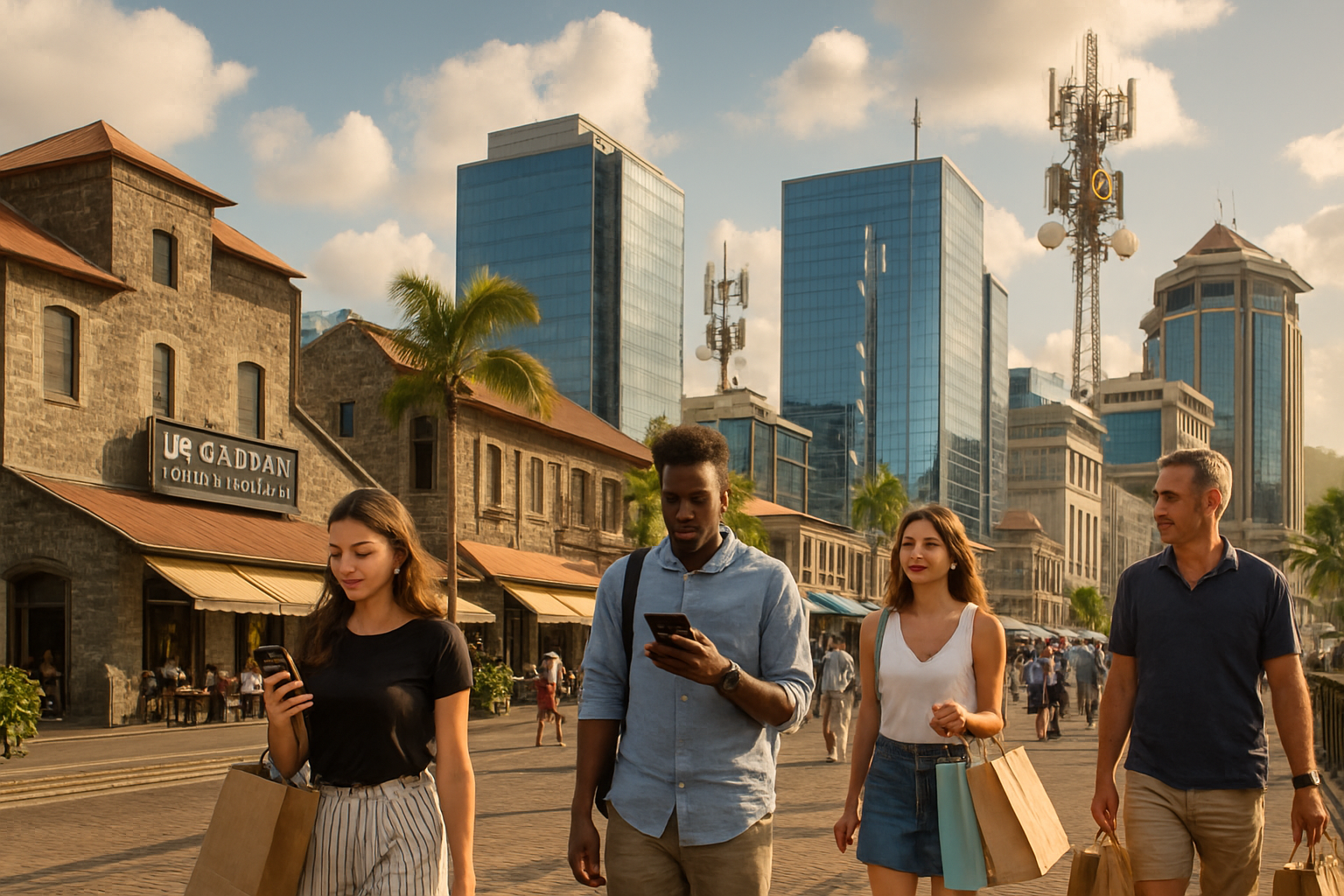
Mauritius is experiencing an unprecedented technology and tourism renaissance as Huawei officially launches its revolutionary Enjoy 90 smartphone series while the iconic Le Caudan Waterfront marks three decades of cultural and commercial excellence with year-long celebrations.
The convergence of cutting-edge technology debuts and landmark cultural anniversaries positions Mauritius at the forefront of the Indian Ocean's digital transformation, demonstrating how small island nations can leverage strategic partnerships to become regional innovation hubs while preserving their authentic cultural identity.
Huawei's Strategic Mauritius Technology Debut
Chinese technology giant Huawei has officially confirmed its spring launch event scheduled for March 23, 2026, showcasing the highly anticipated Enjoy 90 smartphone series to Mauritian consumers. The launch represents a significant milestone for both Huawei's regional expansion strategy and Mauritius's emerging position as a technology gateway to Africa and the Indian Ocean region.
The Enjoy 90 series features two flagship models: the Enjoy 90 Pro Max, positioned as the premium offering with advanced capabilities, and the Enjoy 90 Plus, targeting the expanding middle-market segment. Both devices are already available for pre-ordering through Huawei's official platforms, demonstrating unprecedented consumer interest in the Indian Ocean market.
Central to the new devices is deep integration of HarmonyOS, Huawei's proprietary operating system that promises seamless connectivity across multiple device ecosystems. This technological advancement aligns perfectly with Mauritius's broader digital transformation initiatives, including the recent deployment of 5G infrastructure and smart city development projects.
Le Caudan Waterfront: Three Decades of Cultural Tourism Excellence
Simultaneously, Le Caudan Waterfront is celebrating its 30th anniversary throughout 2026 with an extensive program of cultural, artistic, and festive events in Port Louis. Inaugurated on November 24, 1996, along the historic wharf areas of the former port, the complex has evolved into one of Mauritius's most significant cultural and commercial destinations.
The waterfront development has successfully balanced commercial viability with cultural preservation, attracting both Mauritian residents and international tourists through its unique blend of shopping, leisure activities, and authentic cultural programming. The venue regularly hosts art exhibitions, musical performances, and traditional craft demonstrations that showcase Mauritius's rich multicultural heritage.
For the anniversary year, management has curated a comprehensive calendar featuring contemporary art installations, traditional music festivals, culinary celebrations highlighting Mauritian fusion cuisine, and interactive cultural workshops that engage visitors in the island's unique blend of African, Asian, and European traditions.
Technology Tourism Integration Success
The simultaneous occurrence of Huawei's technology launch and Le Caudan's cultural celebrations exemplifies Mauritius's sophisticated approach to economic diversification. Rather than treating technology and tourism as competing sectors, the island nation has successfully positioned itself as a destination where cutting-edge innovation enhances rather than replaces authentic cultural experiences.
This integration aligns with global tourism trends documented throughout 2026, where Generation Z travelers increasingly seek destinations offering both technological sophistication and authentic cultural engagement. The $570+ billion global tourism infrastructure surge has particularly benefited destinations that successfully balance digital innovation with heritage preservation.
Mauritius's strategy demonstrates how smaller nations can compete effectively in the global technology and tourism markets through strategic positioning, authentic programming, and partnerships with international technology leaders. The success builds on previous initiatives including the development of a comprehensive digital identity framework and investments in renewable energy infrastructure supporting both residential and commercial technology needs.
Regional Innovation Hub Positioning
The Huawei launch positions Mauritius as a strategic technology hub for the broader Indian Ocean region, including Madagascar, Seychelles, Comoros, and parts of East Africa. The island's political stability, multilingual workforce, and existing telecommunications infrastructure provide competitive advantages for technology companies seeking regional headquarters locations.
Recent economic data shows Mauritius achieving consistent GDP growth through diversification beyond traditional sugar and textile industries toward financial services, information technology, and premium tourism. The government's strategic emphasis on becoming a "knowledge economy" has attracted international investment while maintaining the cultural authenticity that drives tourism revenue.
The technology sector development complements rather than competes with tourism growth, as demonstrated by increasing numbers of business travelers combining technology conferences with leisure experiences. This trend, known as "bleisure" travel, has become particularly prominent among international technology professionals seeking authentic cultural experiences alongside professional development.
Global Context and Future Implications
Mauritius's technology and tourism integration occurs within the broader context of the documented "February 2026 Cultural Renaissance" - an unprecedented period of coordinated international cultural activity spanning multiple continents. However, the island nation's approach demonstrates unique sophistication in balancing technological advancement with cultural preservation.
The success factors identified include: authentic cultural programming that attracts both residents and visitors, strategic technology partnerships that enhance rather than replace human cultural connections, economic sustainability through diversified revenue streams, and international cooperation that maintains local distinctiveness while fostering global engagement.
Climate resilience has become essential for destination competitiveness, particularly given January 2026 marking the 18th consecutive month of global temperatures exceeding 1.5°C pre-industrial levels. Mauritius's emphasis on sustainable technology infrastructure and environmentally conscious tourism development positions the nation as a model for small island states navigating climate challenges while achieving economic growth.
Economic Multiplier Effects
The convergence of technology launches and cultural celebrations generates substantial economic multiplier effects extending far beyond immediate technology sales or tourism revenue. The Huawei presence attracts additional technology companies seeking regional representation, creating employment in technical support, sales, marketing, and specialized services sectors.
Cultural programming at Le Caudan and similar venues supports local artisans, musicians, culinary professionals, and cultural practitioners while attracting international visitors who contribute to hotel occupancy, restaurant revenue, transportation services, and retail sales. The combination creates year-round economic activity rather than seasonal dependence typical of traditional beach tourism.
International technology partnerships also facilitate knowledge transfer, professional development opportunities for Mauritian workers, and potential for local companies to participate in global technology supply chains. These developments align with broader African technology sector growth and Mauritius's strategic positioning as a gateway between Africa, Asia, and global markets.
Success Templates for Island Nations
Mauritius's approach provides practical templates for other small island developing states seeking to leverage technology partnerships while maintaining cultural authenticity. Key elements include comprehensive infrastructure investment, strategic international partnerships, community engagement ensuring local benefits, and adaptive management responding to changing global conditions.
The success demonstrates that geographic size need not limit economic ambition or cultural impact when authentic expression is combined with technological sophistication and strategic international cooperation. Rather than choosing between technology modernization and cultural preservation, successful destinations create synergistic approaches where each sector strengthens the others.
As global tourism continues its transformation toward quality-focused strategies emphasizing authentic experiences enhanced by technological convenience, Mauritius's balanced approach positions the nation for sustained competitive advantage in both technology and tourism sectors. The March 2026 developments establish precedents that other destinations will likely adapt to their specific cultural and economic circumstances.
The technology and tourism renaissance in Mauritius represents more than successful product launches or anniversary celebrations - it demonstrates how strategic vision, authentic cultural programming, and international cooperation can transform a small island nation into a regional innovation leader while preserving the cultural heritage that makes it uniquely attractive to global travelers and technology partners alike.