A wave of medical innovations and healthcare advances is transforming lives globally, from groundbreaking cochlear implant technology recognized with international honors to critical public health initiatives addressing dietary risks and emergency medical training.
Cochlear Implant Pioneers Honored with Prestigious Award
Austrian researchers Ingeborg and Erwin Hochmair received the renowned Queen Elizabeth Prize for Engineering last week, recognizing their revolutionary cochlear implant technology that has enabled hundreds of thousands of people to hear. The Austrian couple's breakthrough innovation represents one of the most successful medical device achievements of the modern era, transforming the lives of individuals with severe hearing loss worldwide.
The cochlear implant technology developed by the Hochmairs bypasses damaged parts of the inner ear, directly stimulating auditory nerves to create sound perception. Their work has evolved from experimental research to a widely available medical solution that has restored hearing to countless individuals who previously faced permanent deafness.
"The cochlear implant has become a standard of care that enables people with severe hearing loss to participate fully in society."
— Queen Elizabeth Prize Committee
Global Salt Consumption Crisis Drives New Health Initiatives
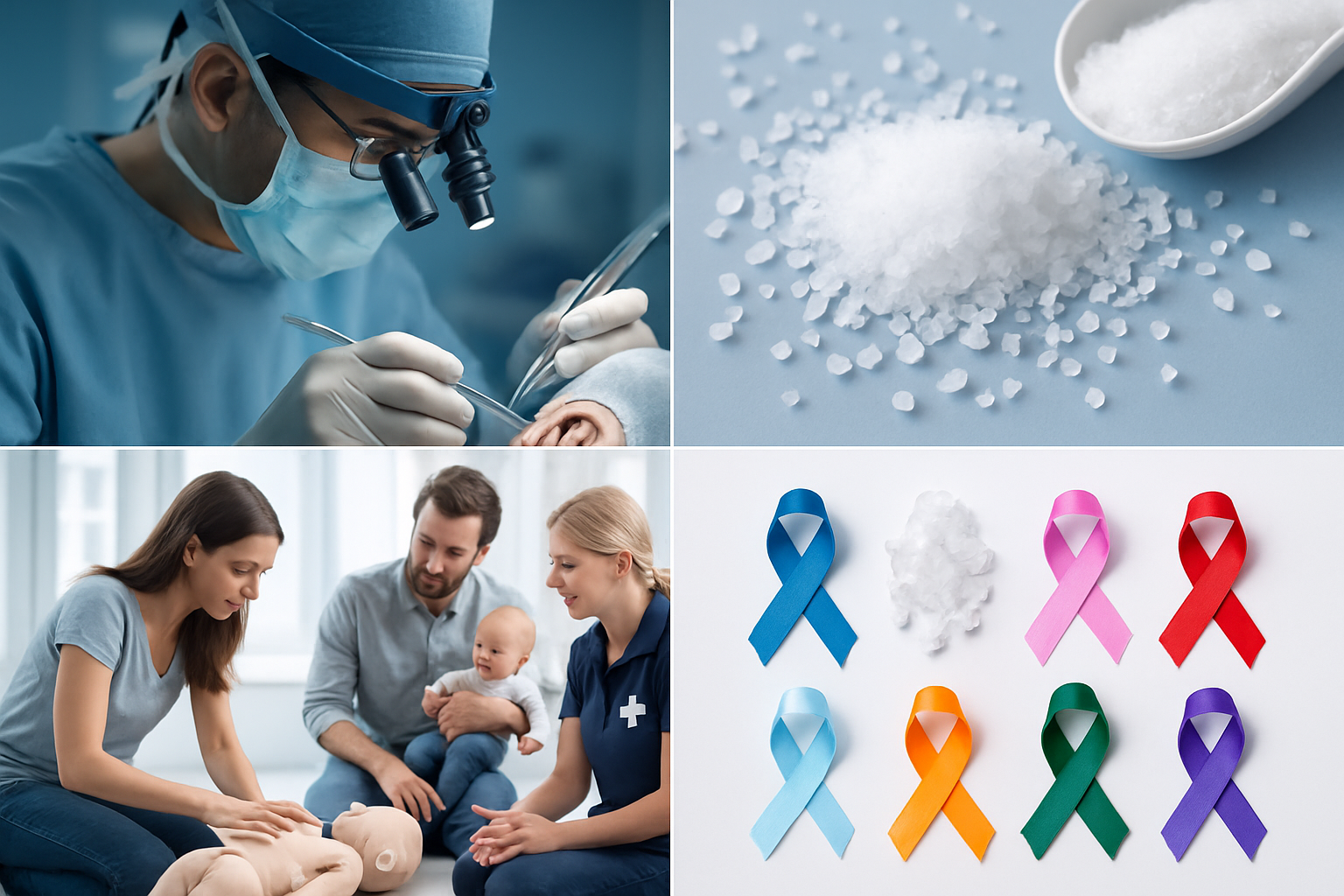
Public health officials worldwide are sounding alarms about excessive salt consumption, with new research from Fiji revealing that salt intake across all age groups has reached nearly double the World Health Organization's daily recommendation. The WHO recommends consuming less than five grams of salt per day—approximately one teaspoon—yet the comprehensive 2025 STEPS Survey shows alarming overconsumption patterns.
This excessive salt intake significantly escalates risks of high blood pressure, stroke, and heart disease. Health authorities are implementing targeted interventions to address this preventable health crisis, recognizing that dietary modifications can substantially reduce cardiovascular disease burden in populations worldwide.
The findings complement broader global efforts to address lifestyle-related health risks through evidence-based prevention strategies rather than reactive treatment approaches.
Norway Leads Pediatric Emergency Medicine Training
Norwegian health authorities are pioneering comprehensive first aid training programs for new parents at University Hospital of North Norway (UNN), with health officials calling for broader adoption across healthcare systems. The innovative program addresses a critical gap in emergency preparedness by teaching parents essential life-saving skills for infant and child emergencies.
The initiative recognizes that many parents feel unprepared to handle medical emergencies involving their children, often fearing they might "do something wrong" in critical situations. By providing professional training immediately after birth, healthcare providers ensure parents have both knowledge and confidence to respond effectively to pediatric emergencies.
Health Director officials are encouraging other hospitals to adopt similar programs, recognizing that early intervention training can prevent tragic outcomes and reduce emergency department pressures while empowering families with essential medical skills.
Cancer Prevention Through Lifestyle Modification
Recent medical research continues to reinforce that approximately 38-40% of cancers are preventable through lifestyle changes, according to World Health Organization studies. This finding underscores the importance of comprehensive prevention strategies that address modifiable risk factors including diet, physical activity, tobacco use, and environmental exposures.
The prevention-first approach represents a paradigm shift in global healthcare policy, emphasizing proactive intervention over reactive treatment. Countries implementing comprehensive prevention programs report improved population health outcomes and reduced healthcare costs over time.
International Healthcare Cooperation Strengthens
Despite challenges facing international health organizations, bilateral cooperation and regional partnerships continue driving medical innovation and healthcare improvements worldwide. The convergence of technological advancement, prevention-focused strategies, and international collaboration demonstrates the resilience of global health systems.
Countries are increasingly sharing best practices, pooling research resources, and developing coordinated responses to health challenges. This collaborative approach has accelerated breakthrough discoveries while ensuring equitable access to life-saving medical innovations across diverse healthcare systems.
Technology Integration in Medical Care
The integration of advanced technology in healthcare continues expanding beyond traditional boundaries. From precision surgical techniques to diagnostic innovations, technology-enabled medical solutions are improving patient outcomes while reducing healthcare delivery costs.
However, implementation requires careful balance between innovation and safety protocols, with healthcare professionals emphasizing that technology should enhance rather than replace clinical judgment and human-centered care approaches.
Prevention-First Healthcare Revolution
The global shift toward prevention-first healthcare strategies represents one of the most significant medical trends of 2026. This approach emphasizes early intervention, lifestyle modification, and comprehensive wellness strategies rather than reactive treatment of advanced diseases.
Economic analyses demonstrate that prevention-focused healthcare systems achieve better population health outcomes while reducing long-term costs associated with chronic disease management and emergency interventions.
Success factors identified include sustained political commitment, adequate resource allocation, comprehensive professional training, community engagement strategies, and international cooperation for knowledge sharing and best practice implementation.
Looking Forward: Sustainable Healthcare Innovation
The medical breakthroughs and healthcare advances documented throughout February 2026 represent critical progress toward more effective, accessible, and sustainable healthcare systems globally. From technological innovations like cochlear implants to public health initiatives addressing dietary risks and emergency preparedness, these developments demonstrate the power of coordinated scientific research, international cooperation, and prevention-focused strategies.
The success of these initiatives depends on continued investment in healthcare infrastructure, professional training, regulatory frameworks, and equitable distribution systems ensuring that medical advances benefit all populations regardless of economic circumstances or geographic location.
As healthcare systems worldwide adapt to changing global health challenges, the convergence of technological innovation, prevention strategies, and international collaboration provides a foundation for building more resilient and effective medical care delivery systems for the future.