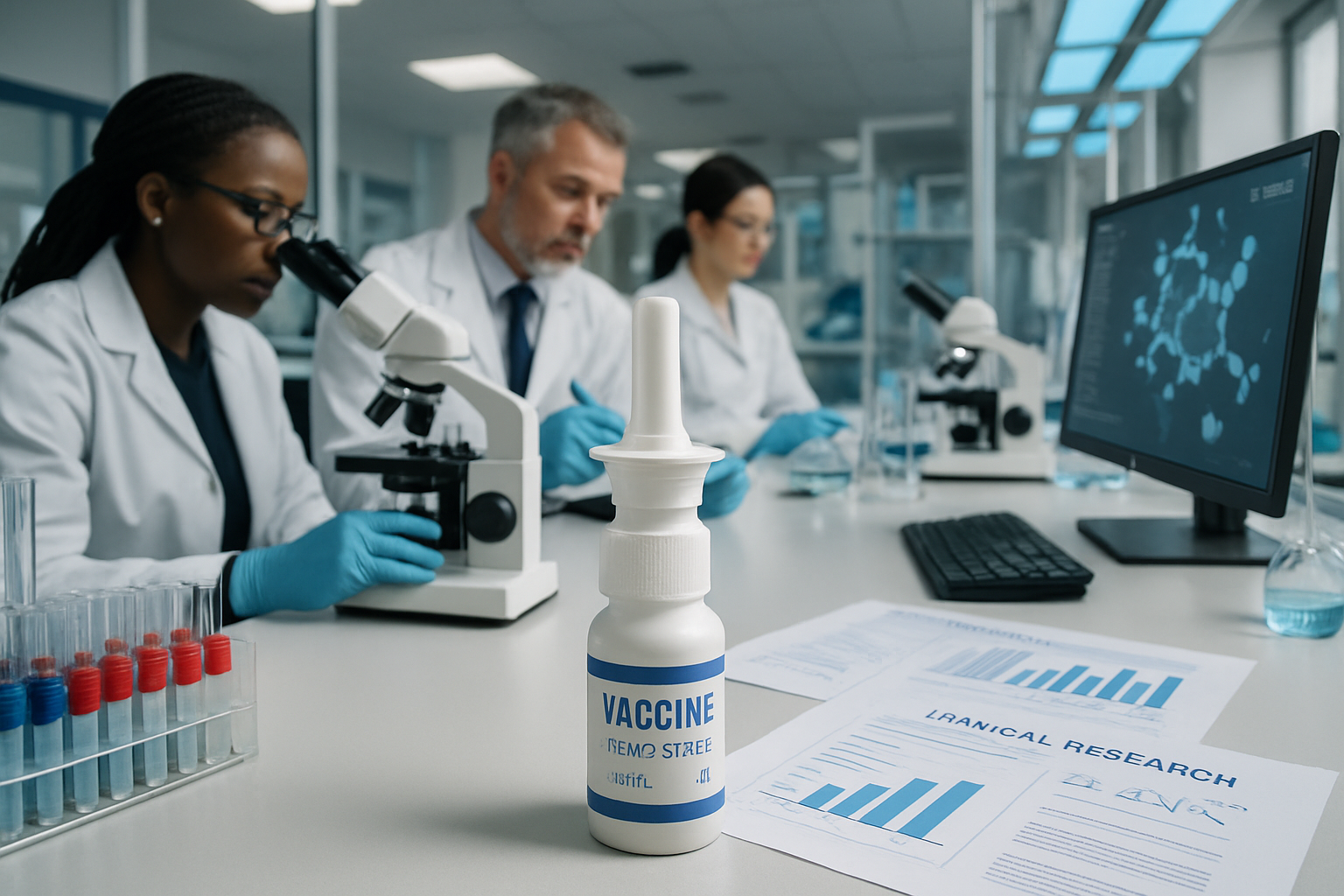
Revolutionary medical research advances are transforming disease prevention and treatment, with breakthrough developments in tuberculosis nasal vaccination and powerful antiviral medications offering new hope in the global fight against infectious diseases.
The latest scientific research developments represent a significant leap forward in preventive medicine, with innovative approaches targeting some of the world's most persistent health challenges. These advances build upon the ongoing "Therapeutic Revolution of 2026," characterized by prevention-first healthcare strategies and unprecedented international cooperation in medical innovation.
Tuberculosis Nasal Vaccine Breakthrough
Greek medical researchers have achieved a remarkable milestone in tuberculosis prevention with the development of a revolutionary nasal vaccine that targets one of the disease's most resistant defense mechanisms. This groundbreaking approach addresses the bacteria's ability to survive despite treatment, a challenge that has plagued tuberculosis management for decades.
The innovative nasal delivery system represents a paradigm shift from traditional injection-based vaccines, offering a needle-free solution that could dramatically improve vaccination rates, particularly in pediatric populations where needle anxiety remains a significant barrier to immunization.
Published findings in a major medical journal demonstrate the vaccine's potential to overcome bacterial resistance mechanisms that have made tuberculosis one of the world's most persistent infectious diseases. The research builds upon extensive global vaccination data and represents years of collaborative international medical research.
Powerful Antiviral Medication Development
Lithuanian researchers have made significant strides in antiviral medication development, focusing on treatments that were previously developed but subsequently overlooked by pharmaceutical companies. This renewed research interest has yielded promising results, with studies showing substantial efficacy in viral suppression and replication prevention.
The antiviral compounds demonstrate remarkable effectiveness when administered in higher doses, with research data indicating significant reductions in infection rates. Scientists are now accelerating plans for comprehensive clinical trials, potentially offering new treatment options for millions of patients worldwide who currently lack effective antiviral therapies.
This research represents a crucial advancement in the fight against viral diseases that affect hundreds of millions of people annually, offering hope for targeted therapeutic interventions previously considered impossible.
Borrelia Vaccine Clinical Trials
Swedish medical researchers have reached advanced stages in developing a vaccine against borrelia, the bacterial infection responsible for Lyme disease. International studies, including extensive testing in Blekinge region, have demonstrated promising results in preliminary trials.
If current development timelines proceed successfully, this vaccine could become available within the next year, offering protection against one of the most common tick-borne diseases affecting both recreational and occupational populations in endemic areas.
The multi-year research program represents international collaboration at its finest, with researchers sharing data and methodologies across borders to accelerate vaccine development for a disease that affects hundreds of thousands annually worldwide.
Global Therapeutic Revolution Context
These breakthrough developments occur within the broader context of the "Therapeutic Revolution of 2026," a global transformation in healthcare characterized by prevention-first strategies that demonstrate superior cost-effectiveness compared to reactive treatment models.
Countries implementing comprehensive prevention programs are reporting enhanced community resilience, reduced emergency healthcare demands, and improved population health outcomes. Economic analyses consistently show that prevention-focused approaches offer substantial long-term cost reductions through decreased crisis interventions while achieving superior public health results.
"The convergence of precision medicine advances, international cooperation models, and prevention-focused strategies is providing the foundation for resilient healthcare systems addressing 21st-century challenges."
— Medical Research Analysis, Global Health Institute
International Cooperation and Innovation
Despite funding challenges facing traditional multilateral health organizations, remarkable international cooperation continues through bilateral partnerships and peer-to-peer knowledge sharing networks. This distributed cooperation model allows for flexible, culturally responsive approaches while maintaining evidence-based medical standards.
The success of these medical breakthroughs demonstrates the power of sustained international collaboration, with countries transitioning from healthcare recipients to medical innovators through sustained research investment and cooperative partnerships.
Technology Integration and Human-Centered Care
These advances showcase sophisticated integration of advanced technology with human-centered care approaches, avoiding the "wellness paradox" where technological solutions create healthcare inequality. Instead, these medical innovations are designed to benefit diverse populations regardless of geographic or economic constraints.
The technology enhances rather than replaces clinical judgment and personal medical relationships, ensuring that breakthrough treatments remain accessible and culturally appropriate across different healthcare systems worldwide.
Economic and Strategic Implications
The economic implications of these medical breakthroughs extend far beyond immediate healthcare costs. Prevention-focused strategies demonstrate measurable benefits through reduced emergency care demands, improved workforce productivity, and enhanced community resilience, creating positive economic multiplier effects.
Countries developing breakthrough technologies position themselves as high-value market leaders while contributing to the global knowledge base, creating opportunities for medical tourism, technology exports, and international cooperation partnerships.
Climate Health Intersection
These healthcare innovations are particularly valuable as global temperatures continue to exceed critical thresholds for consecutive months. Prevention-first approaches prove essential for managing climate-related health challenges through proactive intervention rather than reactive crisis management.
Healthcare systems must address immediate medical needs while building long-term environmental resilience for evolving disease patterns and climate-related health impacts.
Future Implementation and Scaling
The success of scaling these innovations globally depends on sustained political commitment to healthcare investment, comprehensive professional training programs, and continued international cooperation for knowledge sharing and resource optimization.
Implementation success factors include authentic community engagement strategies, regulatory frameworks that balance innovation with patient safety, and cultural adaptation of evidence-based practices to ensure broad accessibility and acceptance.
These medical research breakthroughs represent a critical juncture in global healthcare evolution, with evidence-based innovations successfully translating into accessible, effective treatments. The convergence of precision medicine advances, international cooperation models, and prevention-focused strategies provides a foundation for resilient healthcare systems capable of addressing 21st-century health challenges through coordinated international action.
As the global medical community continues to build upon these remarkable achievements, the promise of truly transformative healthcare delivery grows stronger, offering hope for populations worldwide who have long awaited effective preventive solutions for persistent infectious diseases.