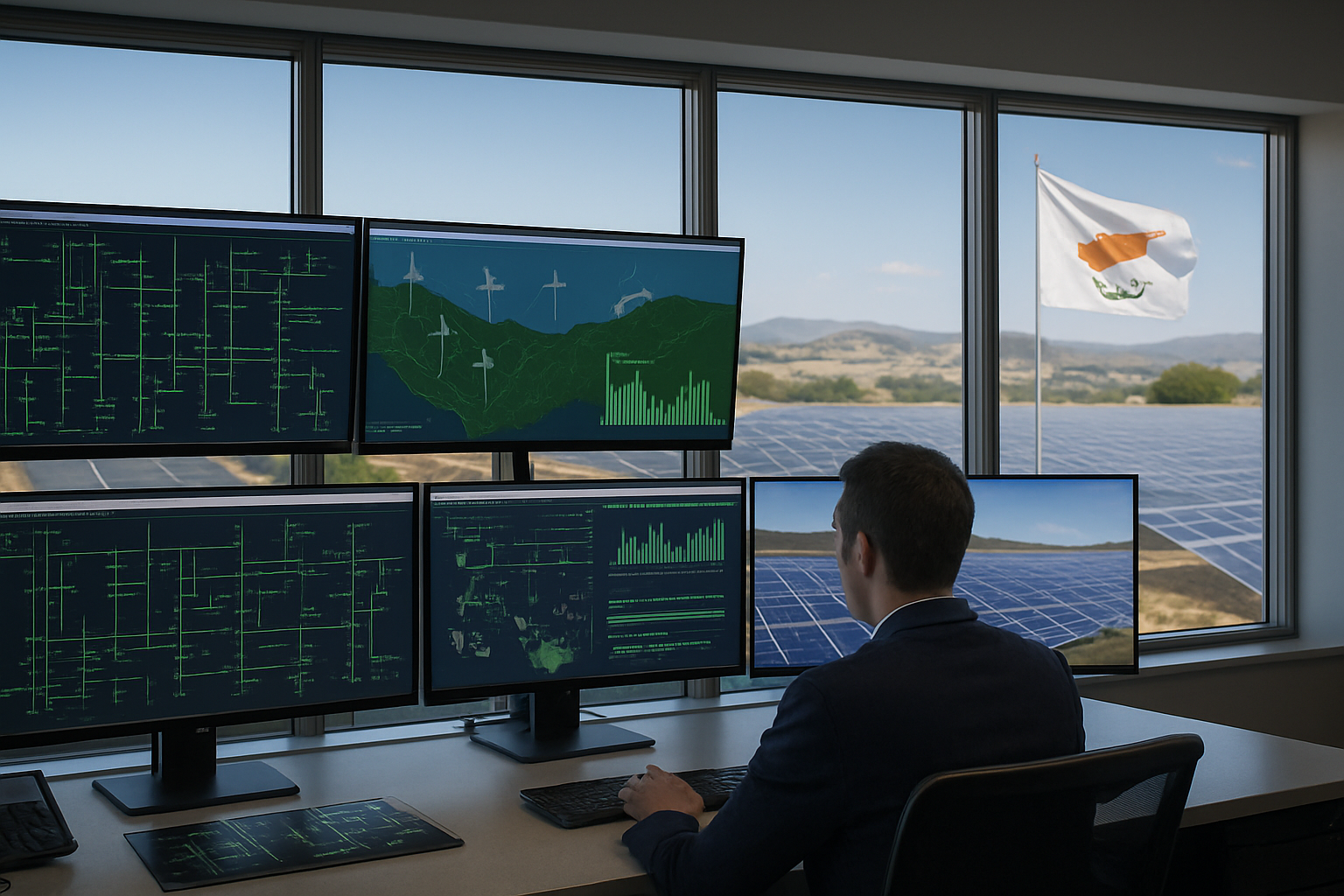
The Mediterranean region faces unprecedented energy infrastructure challenges as power supply disruptions across multiple nations accelerate a massive shift toward renewable energy systems and grid modernization, with Cyprus implementing zero-export solar solutions while Egypt grapples with electricity rationing measures.
As reported on April 5, 2026, Cyprus solar panel users are now legally avoiding periodic power cut-offs by switching to zero-export connections, according to the Electricity Authority of Cyprus. The initiative allows households to use photovoltaic system electricity solely for self-consumption without feeding power into the grid, though the financial benefits may not outweigh implementation costs for most consumers.
Regional Power Grid Strain Intensifies
Egypt's electricity distribution companies have implemented unprecedented conservation measures to address rising power demand, including consolidating transportation for executives and employees across all governorates. The measures represent emergency protocols as the nation struggles with electricity supply challenges amid soaring regional energy costs.
Meanwhile, Italy faces aviation fuel shortages affecting four major airports - Bologna, Milan Linate, Treviso, and Venice - forcing restrictions on aircraft refueling operations. The supply constraints highlight broader energy infrastructure vulnerabilities affecting critical transportation networks across the Mediterranean basin.
Russia's energy infrastructure has suffered direct damage from ongoing conflicts, with pipeline sections damaged by drone debris and regional populations experiencing gas supply interruptions due to military activities. These disruptions compound global energy market volatility that has driven oil prices above $100 per barrel for the first time since 2022.
Cyprus Pioneering Smart Grid Solutions
"The zero-export option allows households and small businesses to use the electricity produced by their photovoltaic systems only for self-consumption, without exporting power to the grid."
— Electricity Authority of Cyprus
Cyprus has emerged as a regional leader in addressing solar grid integration challenges through innovative technical solutions. The zero-export system operates in two configurations: permanent zero export for dedicated self-consumption, or temporary zero export that can be adjusted based on grid conditions. This approach represents a crucial adaptation to grid stability concerns as renewable energy penetration increases across European networks.
The Mediterranean island nation has achieved remarkable progress with one in six homes now generating solar power, creating both opportunities and technical challenges for grid management. The zero-export solution provides a legal framework for addressing periodic power cut-offs while maintaining system stability during peak production periods.
Global Supply Chain Vulnerabilities Exposed
The current energy infrastructure crisis has revealed critical vulnerabilities in global supply chains essential for renewable energy expansion. China maintains control over 60% of critical mineral production and 90% of refining capacity for lithium, cobalt, and rare earth elements essential for solar panels, batteries, and wind turbines.
Memory chip shortages have driven semiconductor prices to sixfold increases, affecting smart grid control systems until new fabrication facilities come online in 2027. These constraints complicate efforts to modernize power grids required for renewable energy integration across the Mediterranean region.

European Response and Strategic Adaptation
European nations have launched coordinated responses to address energy security challenges through accelerated renewable deployment and grid modernization. Estonia leads continental renewable development with 88% renewable electricity and Europe's largest battery storage facility serving 90,000 households, providing a template for Mediterranean nations.
The US-EU-Japan Critical Minerals Partnership, involving 55 countries and seven African suppliers, represents efforts to diversify supply chains away from Chinese dominance. However, alternative suppliers require years of infrastructure development and massive investment before achieving production scale.
Natural gas prices have surged 24% in Europe and 78% in the United States, creating economic pressure that supports renewable investment while complicating financing for infrastructure projects. The price volatility demonstrates the strategic importance of energy independence through domestic renewable resources.
Technology Integration and Smart Infrastructure
Modern renewable energy projects incorporate sophisticated technology integration from the design phase, including digital monitoring systems, predictive maintenance capabilities, automated efficiency controls, and AI-powered optimization. These systems enable real-time renewable energy optimization and grid stability management despite increasing weather variability.
Cyprus's zero-export initiative exemplifies intelligent systems adapting to environmental conditions while maintaining optimal performance. The technology allows for precise control over energy flows, protecting grid stability while maximizing individual energy independence benefits.
Estonian innovations in battery storage and grid management provide practical examples of successful technology integration, demonstrating that comprehensive renewable systems can maintain reliability while supporting economic development. These models offer valuable lessons for Mediterranean nations developing their own renewable infrastructure strategies.
Economic and Strategic Implications
The Mediterranean energy infrastructure transformation creates substantial economic opportunities alongside security benefits. Digital infrastructure investments generate $3-4 returns per dollar over a decade, while renewable energy projects create both construction and permanent operational employment across multiple sectors.
Cyprus positioned itself as a potential regional energy hub, capable of electricity exports during excess renewable generation periods through submarine cable connections. This strategic positioning could provide economic benefits while contributing to regional energy security and grid stability.
However, implementation challenges remain significant, including funding sustainability in developing nations, technical capacity building requirements for specialized skills, and climate change disruption of project timelines requiring adaptive management approaches.
Climate Urgency Driving Acceleration
The energy infrastructure transformation occurs during a critical climate period, with January 2026 marking the 18th consecutive month of global temperatures exceeding 1.5°C above pre-industrial levels. This sustained warming demonstrates human-induced climate change fundamentally altering atmospheric systems beyond natural recovery mechanisms.
The International Energy Agency requires tripling renewable capacity by 2030 to meet climate targets, creating enormous infrastructure development pressure during a constrained supply chain environment. Success requires unprecedented coordination between technological innovation, international cooperation, and adaptive management for rapidly evolving global conditions.
Future Trajectory and Strategic Significance
The Mediterranean energy crisis represents a critical juncture between reactive crisis management and proactive ecosystem service management. The window for effective climate action continues narrowing as ecological systems approach critical thresholds that could trigger irreversible changes affecting global food security, climate stability, and human settlements.
Success in addressing these challenges depends on sustained international cooperation, enhanced multi-sector coordination, and increased financial commitments recognizing environmental protection as essential infrastructure for human prosperity and planetary sustainability.
Cyprus's innovative zero-export solar solutions, combined with broader regional renewable expansion efforts, provide practical templates for scaling environmental protection globally during what experts describe as the decisive climate action decade. The convergence of technological advancement, environmental urgency, and international cooperation offers hope for maintaining planetary habitability during this unprecedented environmental challenge period.