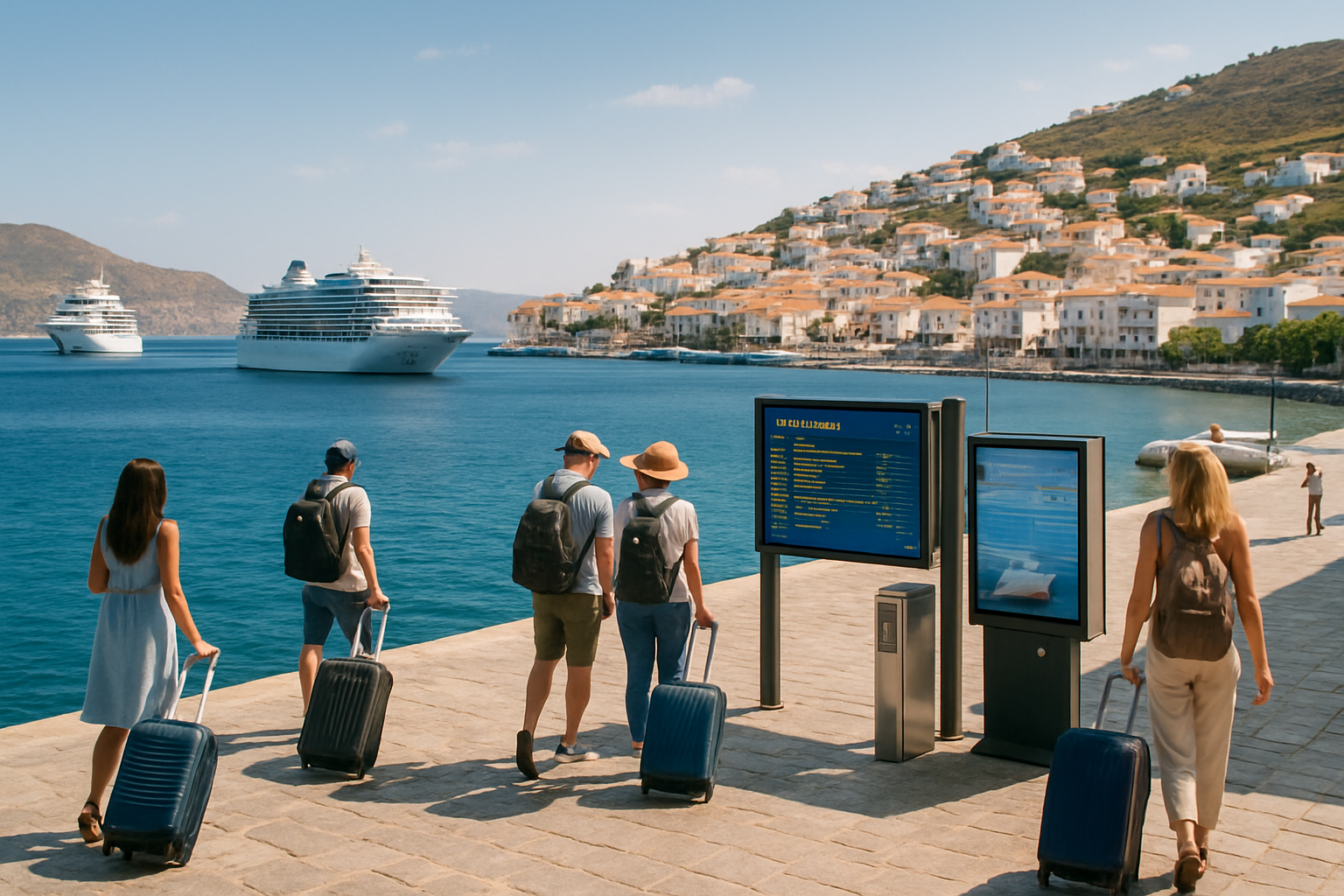
As European travelers plan their summer Mediterranean vacations, 2026 presents an unprecedented landscape of both challenges and opportunities, with regional conflicts reshaping flight routes while new luxury infrastructure emerges across traditional destinations.
The Mediterranean tourism industry finds itself at a critical juncture, with travel experts warning that Australians and Europeans may need to "seriously reconsider" travel plans in the coming months. This cautionary advice comes amid ongoing regional tensions that have disrupted aviation networks, forcing travelers to seek alternative destinations and routes to their beloved Mediterranean getaways.
Croatia Emerges as a Premium Alternative
While traditional Middle Eastern hub connections face uncertainty, Croatia is positioning itself as a sophisticated Mediterranean alternative. The Adriatic nation is witnessing significant luxury hospitality developments, most notably with Split preparing to welcome Croatia's first Design Hotel through a €15 million investment by the Westgate Group.
The boutique hotel Venturo in Split's Bačvice area represents more than just accommodation—it signals Croatia's evolution into the prestigious global Design Hotels collection, operating within Marriott International's portfolio. This development places Croatia among Europe's most exclusive hospitality destinations, offering travelers the luxury experiences typically associated with more established Mediterranean hotspots.
Croatia's tourism infrastructure has been systematically enhanced, with the country now operating Europe's most extensive seasonal healthcare network through 62 tourist medical clinics deployed for the 2026 season. This comprehensive visitor support system addresses growing international demands and demonstrates Croatia's commitment to quality tourism over volume-based approaches.
Aviation Networks Under Pressure
The tourism industry faces its most severe operational crisis since the COVID-19 pandemic, with over 18,000 flights cancelled worldwide since early March 2026. Eight Middle Eastern countries simultaneously closed civilian airspace, eliminating critical Europe-Asia connection hubs and forcing dramatic route diversifications.
Dubai International Airport, the world's busiest with over 86 million annual passengers, suffered complete operational shutdown, causing cascading effects throughout international aviation networks. Major carriers including Emirates, Etihad, Air France-KLM, Wizz Air, and Bulgaria Air suspended Middle East operations indefinitely, creating unprecedented disruption for European travelers traditionally routing through these hubs.

The impact extends far beyond inconvenience. Swedish traveler Emily Grosser paid 6,000 SEK ($560) for alternative routing from Paris to Australia, while Swedish travel agencies report their busiest crisis period since COVID, with "every phone call an emergency." This represents a fundamental shift in how Europeans approach Mediterranean travel planning.
Luxury Tourism Infrastructure Expansion
Despite regional challenges, the Mediterranean continues attracting significant tourism infrastructure investment. The global industry is experiencing an unprecedented $570+ billion infrastructure surge, with Mediterranean destinations capturing substantial portions of this development.
Beyond Croatia's luxury hotel developments, the region benefits from enhanced connectivity projects and improved visitor services. Malta's Planning Authority recently approved Corinthia Group's €100+ million Corinthia Oasis project, transforming an abandoned holiday complex into a luxury resort with 161 hotel suites and 25 villas, demonstrating continued confidence in Mediterranean premium tourism.
These developments reflect the industry's transformation toward quality-focused strategies over volume-based approaches. Generation Z travelers, who represent 50% of those taking multiple annual trips of five or more days, increasingly demand authentic cultural experiences combined with sophisticated amenities and reliable infrastructure.
Travel Insurance and Safety Considerations
The current crisis has exposed significant gaps in travel insurance coverage that European tourists must address when planning Mediterranean vacations. Standard travel insurance policies exclude war-related cancellations, creating protection gaps that leave individual travelers exposed while package tour operators develop more comprehensive coverage frameworks.
"The distinction between war, civil unrest, and terrorism determines coverage, but these categories shift rapidly in modern conflicts,"
— Austrian European Consumer Centre Report
This insurance reality is driving a shift toward organized travel over independent tourism, as travelers seek the additional protections that package tours provide. The trend affects how Mediterranean destinations market themselves, with increased emphasis on comprehensive service packages rather than purely independent travel experiences.
Regional Economic Impacts
The convergence of regional conflicts and infrastructure development creates complex economic dynamics across Mediterranean destinations. Tourism-dependent regions face immediate cancellations alongside long-term reputation management challenges, while countries like Croatia benefit from travelers seeking safer European alternatives.
Cyprus achieved record tourism performance with 4.5 million visitors in 2025, generating €3.6 billion in revenue through strategic market diversification. The island nation's success demonstrates how Mediterranean destinations can maintain competitiveness through quality enhancement and strategic positioning, even amid regional uncertainties.
Oil prices surged over $80 per barrel with natural gas increasing 24% in Europe, affecting tourism operational costs across the region. The Strait of Hormuz closure impacts 40% of global oil transit, creating energy price pressures that influence everything from airline fuel costs to hotel operations.
Technology and Visitor Management
Mediterranean destinations are increasingly leveraging technology to enhance visitor experiences while managing capacity constraints. Rome's Trevi Fountain €2 entry system generates €6 million annually while effectively managing overcrowding, providing a template for sustainable tourism management that balances heritage preservation with visitor access.
Venice expanded its pioneering entry fee system to 60 days in 2026, compared to 29 days in the 2024 pilot phase, demonstrating how digital solutions enable sophisticated crowd management. These systems represent the future of Mediterranean tourism, where technology enhances rather than replaces authentic cultural experiences.
Croatia's deployment of AI-integrated travel planning capabilities, combined with its extensive medical clinic network, positions the country at the forefront of comprehensive destination management that serves both visitor needs and community well-being.
Alternative Destinations Gaining Prominence
As traditional Mediterranean routes face challenges, alternative destinations are capitalizing on the opportunity. Geneva has emerged as a specialized destination for luxury tourism, particularly attracting horology enthusiasts to Switzerland's "clock capital," where time truly is money.
The city offers unique clock-themed experiences including specialized museums, restaurants, and boutiques that cater to affluent travelers seeking distinctive cultural experiences. This represents the broader trend of niche tourism development that characterizes the industry's evolution toward authentic, specialized offerings.
Eastern European destinations are also benefiting from the search for affordable alternatives. Bulgaria has identified Romania as a top budget destination with the leu declining 19% against the dollar, positioning Eastern Europe as an attractive alternative to Western European destinations facing overtourism and rising costs.
Climate Adaptation and Resilience
The Mediterranean tourism industry must also contend with climate resilience requirements, as January 2026 marked the 18th consecutive month of global temperatures exceeding 1.5°C above pre-industrial levels. This creates additional complexity for infrastructure planning and visitor management systems.
Austria successfully achieved 28.1% of all overnight stays during spring and autumn months, demonstrating how sophisticated destination management can redistribute visitor flows from overcrowded summer peaks to shoulder seasons. This approach creates year-round employment opportunities while enhancing visitor experiences through reduced crowds and better weather conditions.
Industry Transformation Toward Quality
The convergence of regional challenges and infrastructure development is accelerating the Mediterranean tourism industry's transformation toward quality-focused, sustainable development models. Success factors increasingly include cultural authenticity preservation, enhanced visitor experiences through strategic infrastructure, meaningful community involvement, and international cooperation.
Croatia's approach exemplifies this evolution, combining luxury hospitality development with comprehensive healthcare infrastructure and authentic cultural experiences. The country's €30% increased funding for new air routes targeting Asian and North American markets recognizes that connectivity and tourism growth are directly correlated.
Regional cooperation is replacing individual competition through coordinated marketing, collaborative infrastructure development, and shared best practices. The Caribbean's cruise coordination success and European infrastructure sharing demonstrate how destinations benefit from cooperative rather than purely competitive approaches.
Looking Ahead: Summer 2026 Prospects
As European travelers finalize summer Mediterranean plans, the landscape presents both challenges and opportunities. While regional conflicts continue disrupting traditional routing, the Mediterranean's intrinsic appeal remains strong, supported by significant infrastructure investments and innovative destination management approaches.
The crisis has accelerated long-term trends toward quality-focused tourism, comprehensive visitor services, and authentic cultural experiences. Destinations that successfully balance economic objectives with cultural preservation, environmental responsibility, and visitor satisfaction are positioned to benefit from the industry's maturation.
Travel experts recommend early booking with flexible arrangements, comprehensive insurance coverage, and consideration of alternative routing through European hubs rather than Middle Eastern connections. The premium placed on quality experiences over volume tourism means that travelers willing to invest in well-planned Mediterranean vacations can access exceptional experiences, even amid current regional complexities.
The Mediterranean's enduring appeal, combined with substantial infrastructure investments and innovative management approaches, suggests that summer 2026 will test the industry's adaptability while potentially establishing new standards for sustainable, quality-focused tourism development that serves both visitors and local communities effectively in an increasingly complex global environment.