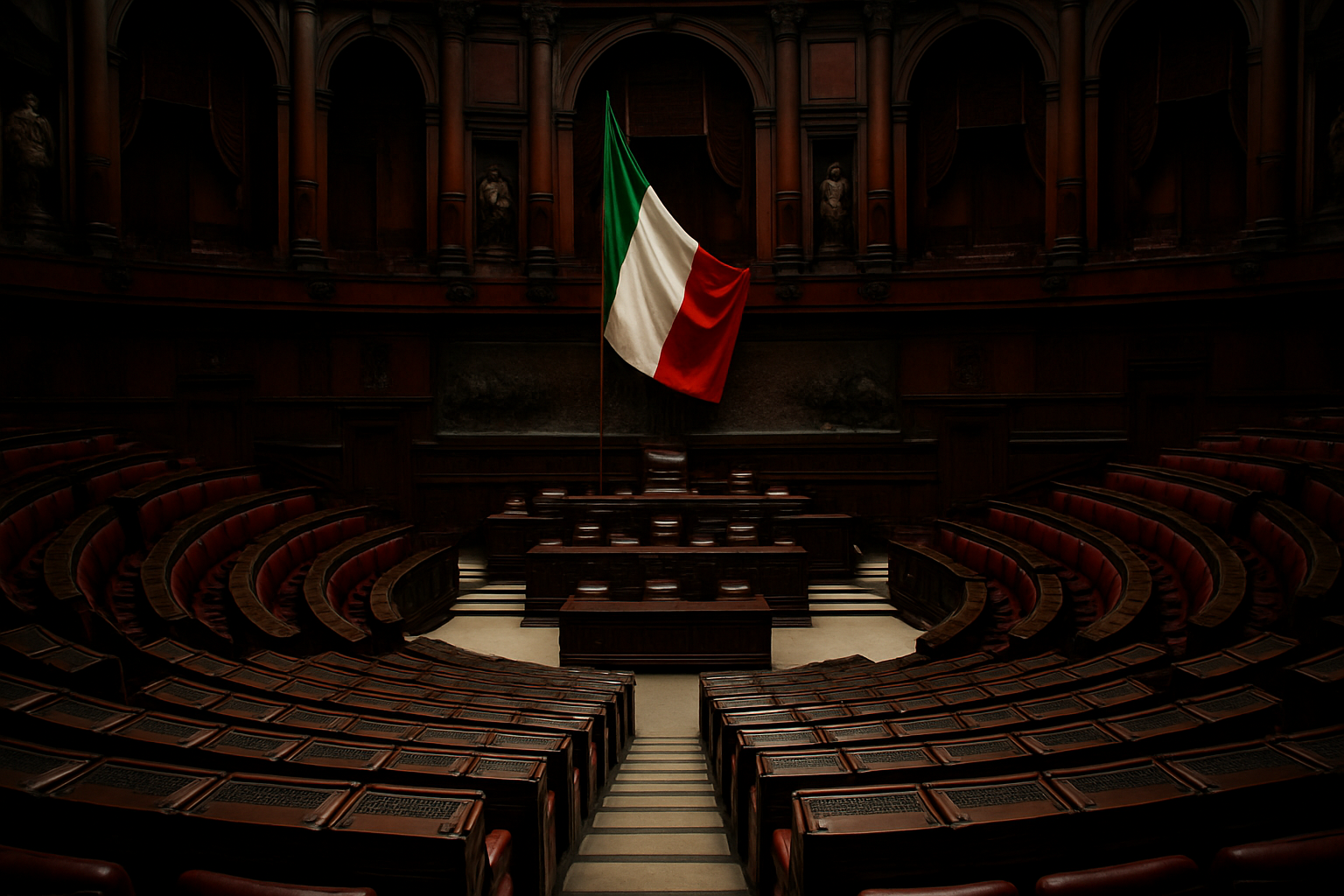
Italian Prime Minister Giorgia Meloni suffered her first major electoral defeat as voters decisively rejected her government's judicial reform referendum with 54% voting "no" and 46% voting "yes," marking a significant setback for the right-wing administration just one year ahead of national elections.
The referendum, conducted on March 22-23, 2026, centered on comprehensive constitutional amendments designed to separate prosecutorial and judicial careers, establish dual Supreme Judicial Councils, and introduce random selection procedures for judicial appointments. Despite initial polling advantages, the "No" campaign successfully portrayed the reforms as a threat to constitutional checks and balances.
Comprehensive Defeat Across Regional Lines
The referendum failed across all Italian regions, with particularly strong opposition in major urban centers. Naples led the resistance with 75% voting against the reforms, while even traditionally supportive northern regions like Lombardy and Veneto saw major cities Milan and Venice reject the proposals despite regional-level support.
Turnout reached 58.9% nationwide, with the highest participation in Emilia-Romagna at 66.7% and lowest in Sicily at 46.2%. The geographic divide revealed that constitutional arguments transcended traditional political boundaries, with northern Italy's opposition particularly significant given Meloni's typical strength in these regions.
"Italian voters have decided and we respect their decision. We will continue to complete our mandate running until 2027."
— Giorgia Meloni, Prime Minister of Italy
Opposition Victory and Political Implications
Opposition leaders celebrated the result as vindication of democratic institutions. Democratic Party leader Elly Schlein declared an "alternative majority" ready to govern, while Giuseppe Conte proclaimed "we did it." Bologna emerged as a key driver of the victory, with celebrations in Piazza Nettuno and Mayor Matteo Lepore crediting the city with a "decisive contribution to the comeback."
The defeat represents Meloni's first major setback since taking office, raising questions about her administration's momentum heading into the 2027 elections while her parliamentary majority remains intact. Coalition allies attempted to minimize the political impact, with Galeazzo Bignami of Brothers of Italy claiming the "outcome does not affect the government."
The Reform Package and Campaign Dynamics
Justice Minister Carlo Nordio's comprehensive reform package represented the most significant constitutional amendments since the Second Republic transition. The proposals included complete separation of prosecutorial and judicial careers, establishment of two distinct Supreme Judicial Councils, and introduction of random selection procedures for judicial appointments designed to reduce political influence.
The campaign was marked by controversial rhetoric from Meloni, who claimed that reform failure would allow more "immigrants, rapists, pedophiles, drug dealers" to go free. This inflammatory approach drew criticism from opposition figures for fear-mongering on constitutional issues requiring technical consideration.
European and International Context
The referendum defeat affects Italy's standing within EU frameworks, particularly regarding rule-of-law assessments linked to recovery fund access. Brussels has been monitoring Italy's commitment to independent judicial institutions as an indicator of democratic governance standards.
Cardinal Matteo Zuppi welcomed the result as preserving the "precious heritage" of balanced powers and called for constructive dialogue moving forward. The outcome demonstrates the limits that popular leaders face when attempting to reshape fundamental institutions without broad consensus.

Constitutional and Democratic Precedent
The referendum represents the most comprehensive constitutional reform attempt since the Second Republic era, with previous reforms typically pursued through legislative rather than direct democratic means. The peaceful democratic resolution provides a template for European democracies managing constitutional challenges amid political polarization.
Naples prosecutor Nicola Gratteri, who led opposition efforts, declared the victory a "strong signal" that civil society will defend fundamental principles. The campaign's late surge overcame an early 20-point "Yes" advantage in January polling, demonstrating the effectiveness of constitutional and legal arguments over populist appeals.
Nordio's Response and Political Fallout
Justice Minister Carlo Nordio took political responsibility for the defeat, announcing his intention to return to private practice next year while defending his deputy Bartolozzi. The minister acknowledged the referendum's failure while maintaining that the reforms were necessary for creating "a truly independent judiciary."
The defeat may force the government to reconsider its legislative priorities and governance approach, particularly regarding institutional reforms. Opposition parties have been energized by the victory, with the political landscape shifted from government dominance toward renewed competitive dynamics.
Looking Ahead to 2027
While Meloni maintains her parliamentary majority and has ruled out resignation, the referendum defeat raises questions about her administration's political momentum ahead of the 2027 elections. The opposition has gained confidence from successfully mobilizing voters on constitutional issues, potentially providing a template for future campaigns.
The result demonstrates that even popular leaders face significant constraints when attempting to reshape fundamental democratic institutions. The Italian case provides important lessons for constitutional democracies worldwide about the balance between popular sovereignty and institutional stability.
As Italy moves forward from this historic vote, the focus will shift to how the government adapts its reform agenda and whether the opposition can translate referendum success into broader electoral momentum. The constitutional precedent set by this peaceful democratic resolution will likely influence political discourse across Europe for years to come.