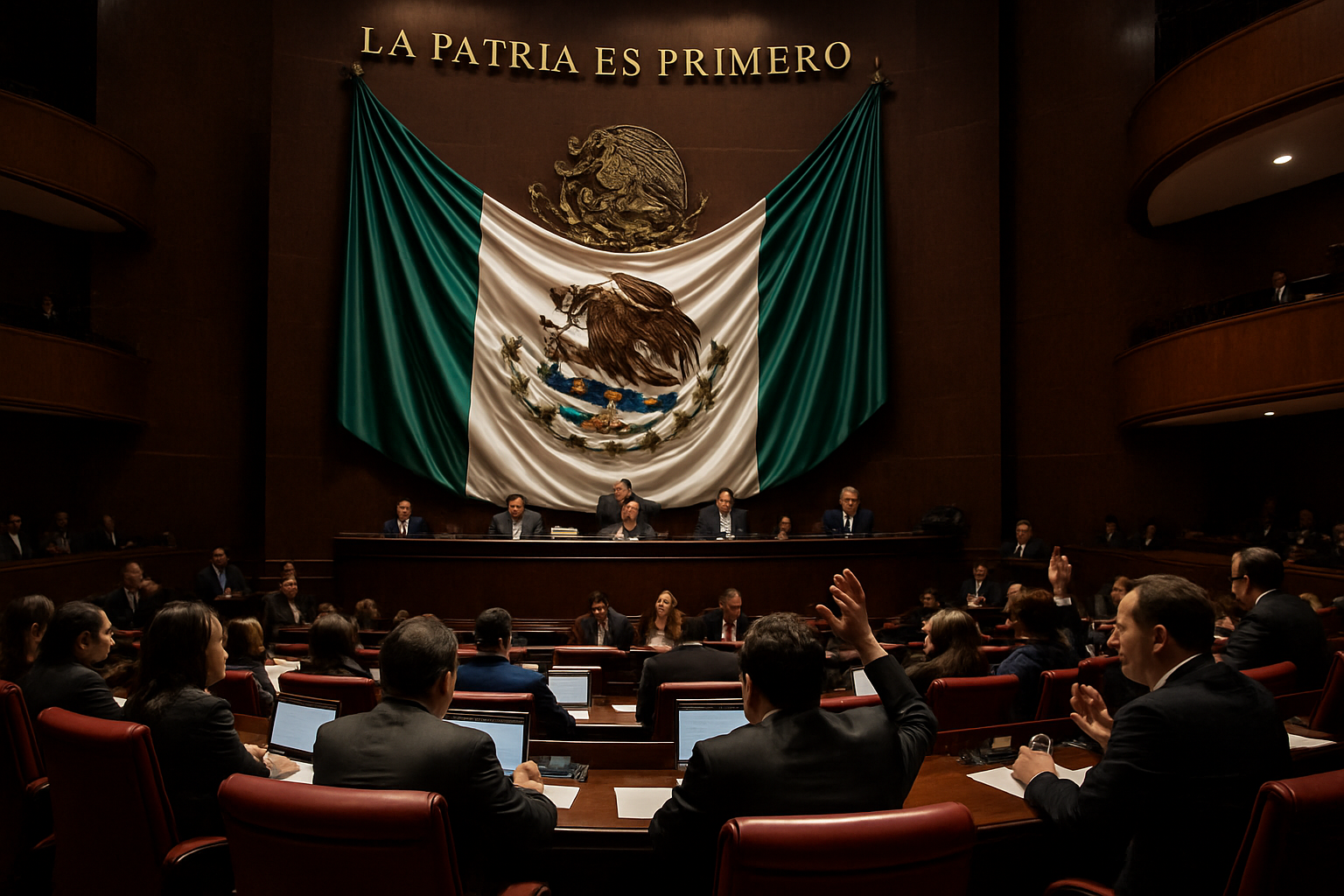
Mexico's Senate made history on February 11, 2026, unanimously approving a constitutional reform that reduces the standard work week from 48 to 40 hours, positioning the country at the forefront of progressive labor policy in Latin America.
The landmark legislation passed with 121 votes in favor, demonstrating unprecedented bipartisan support for what ruling party lawmakers are calling a "historic reform" that will fundamentally transform the lives of Mexican workers. The proposal now advances to the Chamber of Deputies (San Lázaro) for final approval before implementation.
Constitutional Amendment Details
The reform modifies Mexico's Constitution to establish a maximum 40-hour work week, down from the current 48-hour standard that has remained unchanged for decades. According to Senate sources, the measure was approved both "in general and in particular," indicating comprehensive support for the proposal's framework and specific provisions.
The legislation represents a fundamental shift in Mexico's approach to labor rights, bringing the country in line with international standards while potentially setting a precedent for other Latin American nations. The reform specifically targets Article 123 of the Mexican Constitution, which governs labor relations and worker protections.
"This historic reform will improve the quality of life for workers, allowing them to dedicate more time to rest and family life."
— Senate Majority Coalition Statement
Expected Impact on Mexican Workers
Labor rights advocates project the reform could affect millions of Mexican workers across various sectors, from manufacturing and services to agriculture and technology. The reduction in weekly working hours is expected to create a cascading effect on workplace productivity, employee satisfaction, and overall economic dynamics.
The ruling coalition emphasized that the reform addresses longstanding concerns about work-life balance in Mexico, where extended work schedules have historically been the norm. Supporters argue that reducing working hours could lead to increased productivity per hour worked, following patterns observed in other countries that have implemented similar measures.
Legislative Process and Timeline
The Senate's approval represents the culmination of extensive committee work and debate. The proposal previously passed through Senate committees, where it was refined and modified before reaching the full chamber. Notably, the reform advanced "without establishing two days of rest," suggesting flexibility in implementation that could accommodate various industry needs.
With Senate approval secured, the legislation now faces its final hurdle in the Chamber of Deputies. Given the unanimous Senate support, political analysts expect smooth passage in the lower house, though the exact timeline for final approval remains uncertain.
Economic and Social Implications
The 40-hour work week reform carries significant economic implications for Mexico's labor market. Employers will need to adjust scheduling, potentially requiring additional hires to maintain production levels, which could stimulate job creation while increasing labor costs.
From a social perspective, the reform aligns with global trends toward improved work-life balance and worker well-being. International studies have shown that countries with shorter work weeks often report higher levels of worker satisfaction, reduced burnout, and improved mental health outcomes.
- Potential for increased employment as companies hire additional workers
- Improved work-life balance for existing employees
- Possible productivity gains through more focused work hours
- Alignment with international labor standards
Regional Context and Global Trends
Mexico's move toward a 40-hour work week places it among a growing number of countries reconsidering traditional work schedules. The reform comes as nations worldwide grapple with changing workplace dynamics accelerated by technological advancement and shifting worker expectations post-pandemic.
The legislation positions Mexico as a potential leader in progressive labor policy within Latin America, where many countries still maintain longer work weeks. The reform could influence labor negotiations and policy discussions across the region, particularly as Mexico's large economy serves as a model for neighboring nations.
Implementation Challenges Ahead
Despite the legislative momentum, implementing the 40-hour work week will present practical challenges. Industries with continuous operations, such as manufacturing and healthcare, will need to restructure schedules and potentially increase staffing levels. Small and medium enterprises may face particular challenges in adjusting to the new requirements.
Labor economists anticipate a transition period where businesses adapt their operations to comply with the new constitutional mandate. The government may need to provide guidance and support to ensure smooth implementation across diverse economic sectors.
Next Steps and Future Outlook
The Chamber of Deputies is expected to consider the reform in the coming weeks, with observers predicting favorable reception given the Senate's unanimous support. Once approved by both chambers, the constitutional amendment would take effect according to transitional provisions likely to be established during final legislative review.
The reform represents a significant victory for labor unions and worker advocacy groups that have long pushed for reduced working hours. As Mexico moves toward final implementation, attention will turn to practical considerations of enforcement, compliance monitoring, and economic adjustment to the new labor landscape.
This historic labor reform demonstrates Mexico's commitment to modernizing its workplace standards while prioritizing worker welfare, potentially serving as a model for progressive labor policy throughout Latin America and beyond.