The reported death of notorious cartel leader Nemesio Oseguera Cervantes, known as "El Mencho," has unleashed a wave of unprecedented violence across Mexico, prompting urgent security concerns as the country prepares to co-host the 2026 FIFA World Cup in just four months.
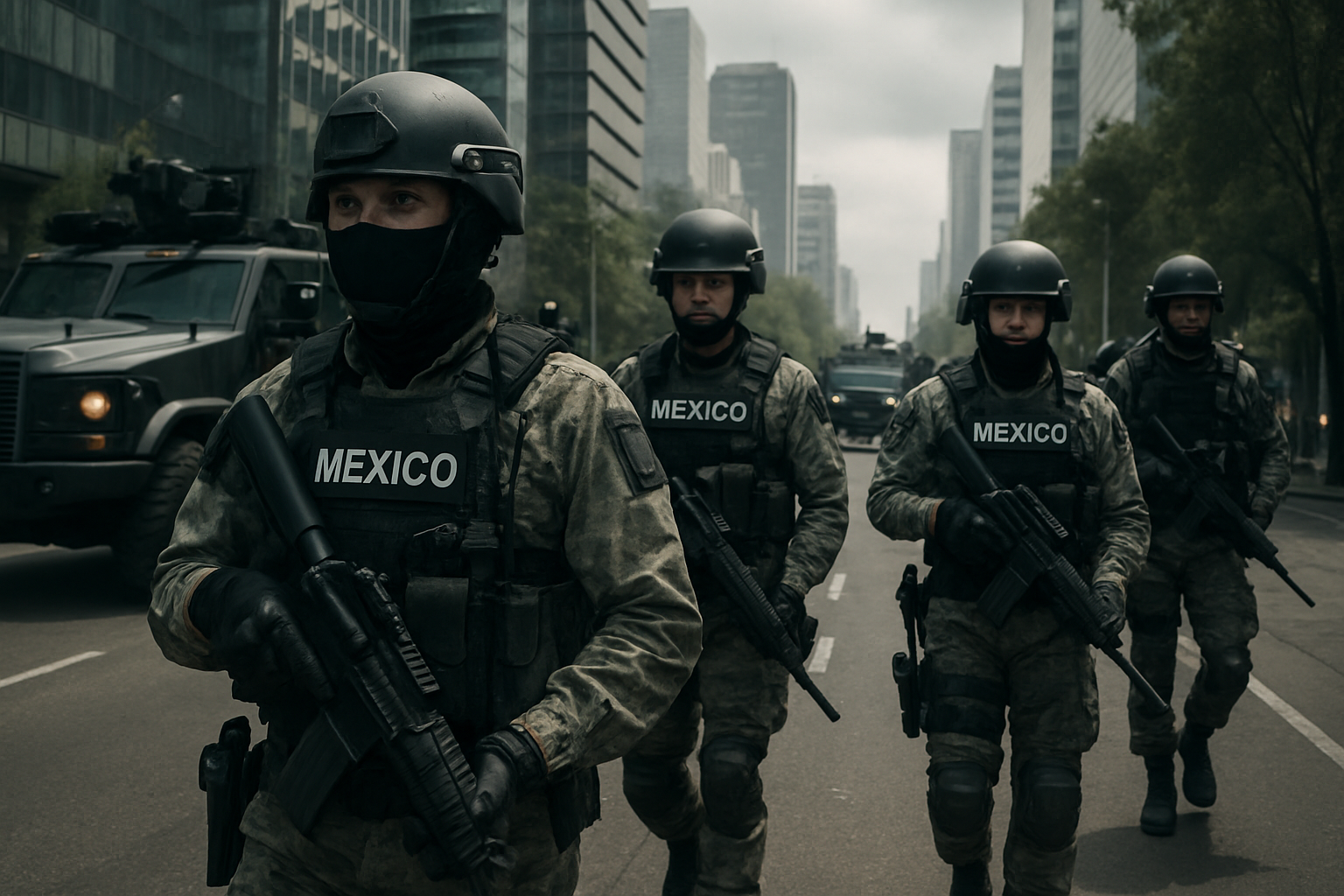
Mexican authorities deployed over 10,000 troops across western regions following the death of the Jalisco New Generation Cartel (CJNG) leader, marking the largest security operation in years. The violence has directly impacted Guadalajara, one of Mexico's designated World Cup host cities, forcing international observers to question the country's readiness for the global tournament.
Massive Retaliation Campaign
The CJNG's coordinated response to their leader's death has been swift and brutal. According to multiple international sources, the cartel launched systematic attacks across 20 Mexican states, including vehicle burnings, highway blockades, and assaults on government infrastructure.
In Puerto Vallarta, the popular Pacific coast resort destination, armed men crashed through prison gates, enabling the escape of 23 inmates during the weekend violence. The incident underscores the cartel's operational sophistication and willingness to challenge state authority directly.
"The violence has reached unprecedented levels," reported Bulgarian media, noting that the coastal resort was among the cities where CJNG "blocked roads and burned vehicles in revenge for the killing of their leader."
— International Press Coverage
The Mexican Navy responded by deploying 103 Marine Infantry elements aboard the ARM Usumacinta to Puerto Vallarta, demonstrating the scale of the security response required to restore order.
Government Response and World Cup Assurances
President Claudia Sheinbaum has attempted to reassure international partners that Mexico can safely host the World Cup, stating there is "no risk" to the tournament despite the ongoing violence. However, the timing of the crisis—occurring just months before the tournament's June 2026 start date—has raised significant concerns among international stakeholders.
The violence has particularly affected Jalisco state, where Guadalajara will host multiple World Cup matches. Local authorities have implemented emergency protocols, and the state government declared a "red code" emergency status.
French media coverage highlighted the dire situation, reporting that "residents in Jalisco state were trying to return to normal life after violence linked to the death of a drug lord," with only a handful of stores open and massive queues for panic purchases.
International Complications
The cartel violence has created diplomatic tensions, with technology entrepreneur Elon Musk publicly criticizing President Sheinbaum's handling of the situation. Musk accused the Mexican leader of "repeating what cartel bosses tell her to say," prompting Sheinbaum to consider legal action against the billionaire.
Al Jazeera's analysis questioned the extent of drug cartel power in Mexico, noting that "the killing of cartel leader 'El Mencho' by Mexican forces triggered a wave of violence in the country." The incident has highlighted the complex relationship between criminal organizations and state power in Mexico.
Historical Context and Succession Crisis
Based on extensive documentation of previous cartel leadership eliminations, security analysts warn that El Mencho's death could trigger a prolonged succession battle within the CJNG. The organization, which became Mexico's most sophisticated criminal enterprise under El Mencho's leadership since 2011, now faces an uncertain future without clear succession plans.
Swedish media reported that "one of the world's largest drug networks has lost its leader" and that "a power struggle over who will take over after the drug lord 'El Mencho' is ongoing." Latin America expert Andrés Rivarola Puntigliano noted, "There will be movement in the ranks," suggesting continued instability.
Historical patterns from previous cartel leadership eliminations suggest that organizational splintering often leads to increased violence rather than decreased criminal activity, as competing factions battle for territorial control.
Economic and Tourism Impact
The violence has severely disrupted Mexico's tourism industry, with multiple countries issuing travel advisories. The timing is particularly damaging as Mexico had expected the World Cup to provide significant economic recovery following the pandemic.
Major hotel chains have closed facilities in affected areas, and transportation systems have been suspended. The crisis represents one of the most serious threats to Mexico's tourism sector in recent years, with potential long-term consequences for the country's economic recovery plans.
International Security Cooperation
The successful operation against El Mencho demonstrated effective U.S.-Mexico intelligence cooperation, with American agencies providing crucial support in tracking the cartel leader. The operation represents the most significant cartel leadership elimination since the capture of Joaquín "El Chapo" Guzmán in 2016.
However, the violent aftermath has tested bilateral security frameworks and raised questions about Mexico's capacity to manage sophisticated transnational criminal organizations while minimizing civilian impact.
World Cup Security Preparations
FIFA has requested detailed security reports from the Mexican government following the violence in Guadalajara. The international football governing body, along with co-hosts the United States and Canada, is closely monitoring the situation as the tournament approaches.
Mexico's ability to ensure the safety of millions of international visitors now faces its most serious test. The country must demonstrate that it can restore stability and maintain security throughout the tournament period, while managing the ongoing challenges posed by criminal organizations.
Looking Forward
The coming months will be critical for Mexico's World Cup preparations. The government faces the dual challenge of dismantling criminal networks while rebuilding international confidence in the country's security capabilities.
Success will depend on sustained security operations, effective international cooperation, and the ability to prevent the CJNG from reorganizing under new leadership. The stakes extend far beyond the World Cup, as Mexico's handling of this crisis will influence how other countries approach similar security challenges in the future.
With the tournament just months away, Mexico's commitment to ensuring a safe and successful World Cup faces its ultimate test. The international community watches closely as the country works to overcome this unprecedented security challenge.