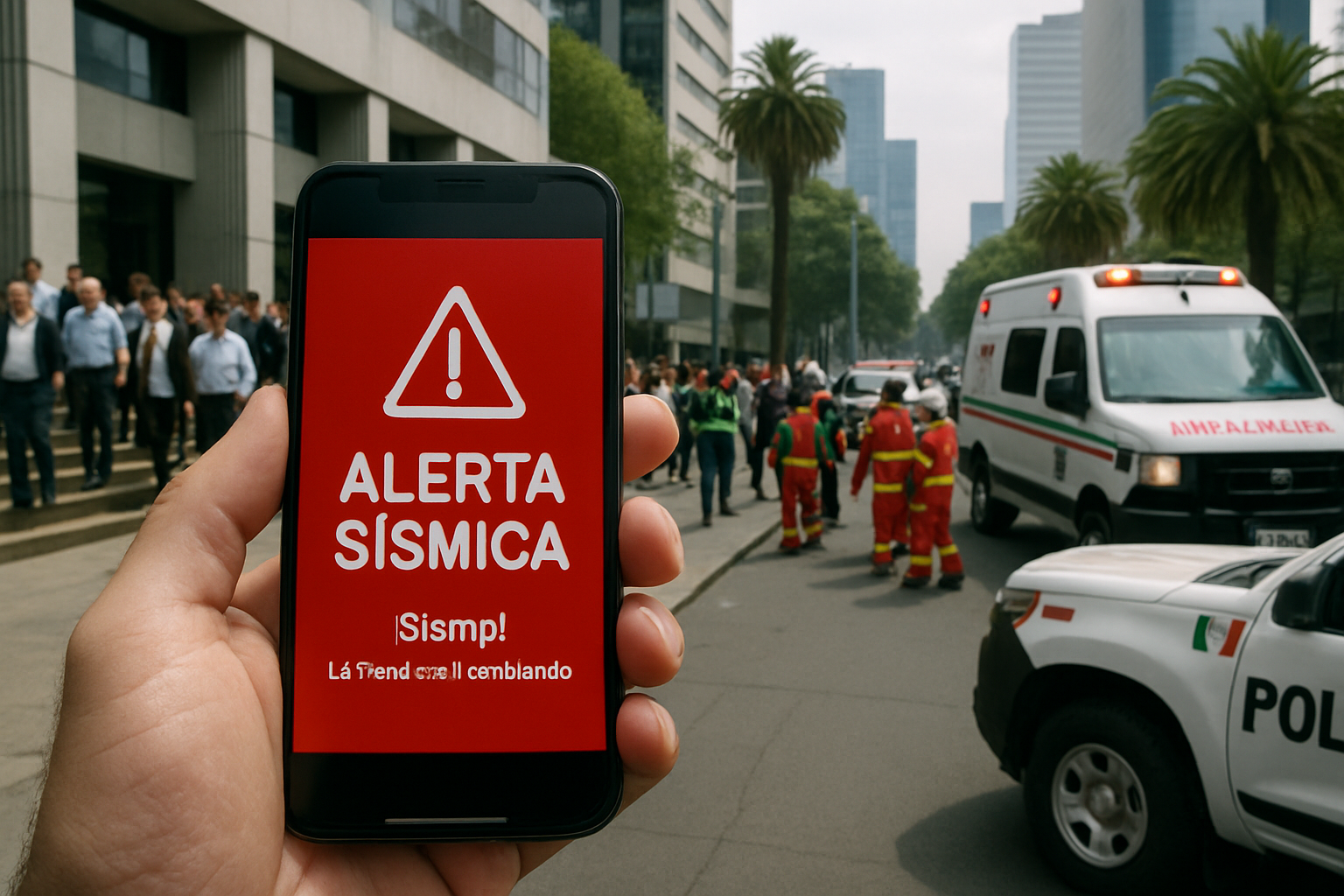
A magnitude 5.7 earthquake struck Puerto Escondido, Oaxaca at 3:42 PM local time on February 8, 2026, triggering Mexico's seismic alert system nationwide and disrupting Super Bowl Sunday celebrations as millions received emergency notifications on their mobile devices.
The earthquake, with its epicenter located approximately 10 kilometers below the surface in the coastal resort town of Puerto Escondido, activated the presidential alert system across multiple states, sending emergency notifications to smartphones throughout Mexico during what was expected to be a relaxed day of sports viewing and family gatherings.
According to preliminary reports from Mexico's National Seismological Service, the tremor was felt across several states, with the seismic alert system reaching regions far beyond the immediate impact zone. The timing proved particularly notable, occurring during Super Bowl LX when many Mexican families had planned viewing parties and outdoor gatherings.
Emergency Response and Evacuations
Mexico City's Head of Government, Clara Brugada, confirmed the activation of emergency protocols across multiple government dependencies. "Emergency, security, and communication protocols were activated by various dependencies," Brugada announced, emphasizing the coordinated response despite no immediate reports of damage in the capital.
Videos captured across social media platforms showed preventive evacuations in various states, with citizens responding calmly to the alert system's instructions. The footage revealed Mexico's emergency preparedness infrastructure functioning as designed, with orderly evacuations from buildings and public spaces in affected regions.
Digital platforms were flooded with messages from users sharing their experiences and verifying the tremor's intensity at different locations throughout the country. Social media became an informal verification network, with citizens reporting their locations and the earthquake's effects in their communities.
Super Bowl Sunday Disruption
The earthquake's timing created an unexpected cultural moment, interrupting Super Bowl LX festivities featuring Bad Bunny's historic halftime show performance. Many Mexican families had planned gatherings around the game, complete with traditional foods and avocado-based dishes—a significant component of Mexico's 6.2 billion peso economic boost from Super Bowl-related consumption.
Mexican social media quickly filled with humor and memes about the earthquake's timing, with users joking about canceling guacamole preparations and switching to bread for comfort. The phrase "Cancel el guacamole del Super Bowl" (Cancel the Super Bowl guacamole) became trending on social platforms as Mexicans processed the emergency with characteristic humor while taking safety precautions seriously.
The intersection of natural disaster preparedness with major sporting event viewing created a uniquely Mexican cultural response, demonstrating how emergency protocols functioned even during leisure time activities.
Historical Context and Seismic Activity
Mexico's sophisticated seismic alert system, developed following devastating earthquakes in the country's history, proved its effectiveness during Sunday's event. The system's ability to provide advance warning through mobile devices represents years of investment in earthquake preparedness infrastructure.
Oaxaca state, where the earthquake originated, sits in one of Mexico's most seismically active regions. Puerto Escondido, known internationally as a surfing destination and beach resort, has experienced seismic activity before, but Sunday's magnitude 5.7 event was significant enough to trigger the nationwide alert system.
The 10-kilometer depth of the earthquake placed it in the shallow category, which typically produces more intense surface shaking and wider geographic impact than deeper tremors of similar magnitude. This depth factor likely contributed to the alert system's decision to activate across multiple states.
Technology and Emergency Communications
Mexico's presidential alert system demonstrated its capacity to reach millions of citizens simultaneously during the earthquake. The system, which sends emergency notifications directly to mobile phones regardless of carrier or location, provided real-time earthquake information and evacuation instructions.
The alert system's activation during Super Bowl Sunday also served as an unplanned nationwide drill, testing the population's response to emergency communications during leisure activities. Citizens shared screenshots of the alert messages across social media, showing the system's consistent messaging and clear instructions for safety procedures.
This technological response represents the evolution of Mexico's disaster preparedness capabilities, moving beyond traditional sirens and broadcast media to direct digital communication with the population during emergencies.
No Major Damage Reported
Preliminary assessments from authorities across affected regions indicated no major structural damage or casualties from Sunday's earthquake. Mexico City officials specifically noted the absence of damage in the capital, despite the alert system's activation throughout the metropolitan area.
The earthquake's impact remained largely limited to the immediate Oaxaca region, with most reports describing brief shaking that prompted precautionary evacuations rather than emergency rescues or significant infrastructure damage.
This outcome validates Mexico's building codes and earthquake preparedness measures, which have been strengthened significantly following major seismic events in previous decades. The coordinated emergency response and lack of major damage demonstrate the effectiveness of Mexico's comprehensive approach to earthquake risk management.
Cultural and Social Response
The earthquake's occurrence during Super Bowl Sunday created a uniquely Mexican cultural moment that reflected the country's resilient approach to natural disasters. Social media filled with references to the timing, with users creating memes that combined earthquake preparedness with Super Bowl viewing traditions.
The incident occurred just 10 days before Mexico's National Seismic Drill scheduled for February 18, providing an unexpected real-world test of emergency systems and citizen response capabilities. This timing may prove beneficial for evaluating and refining emergency procedures before the planned national exercise.
Mexican social media users demonstrated the characteristic national ability to find humor in challenging situations while maintaining appropriate seriousness about safety protocols. The balance between comedic response and emergency compliance illustrated Mexico's cultural maturity regarding earthquake preparedness.
Regional Impact and Ongoing Monitoring
Seismic monitoring stations continue tracking aftershock activity in the Oaxaca region, with authorities maintaining alert status while assessing the earthquake's broader implications for regional seismic activity patterns.
Puerto Escondido's tourism industry, significant for the local economy, appeared largely unaffected by the earthquake, with no reports of major resort or infrastructure damage that would impact upcoming tourist season activities.
The event serves as a reminder of Mexico's position in one of the world's most seismically active regions, where earthquake preparedness remains a constant consideration for residents, businesses, and government authorities at all levels.
As Mexico's National Seismological Service continues monitoring the region, Sunday's earthquake stands as a demonstration of the country's emergency preparedness capabilities and the resilience of Mexican communities when facing natural disasters during everyday activities.