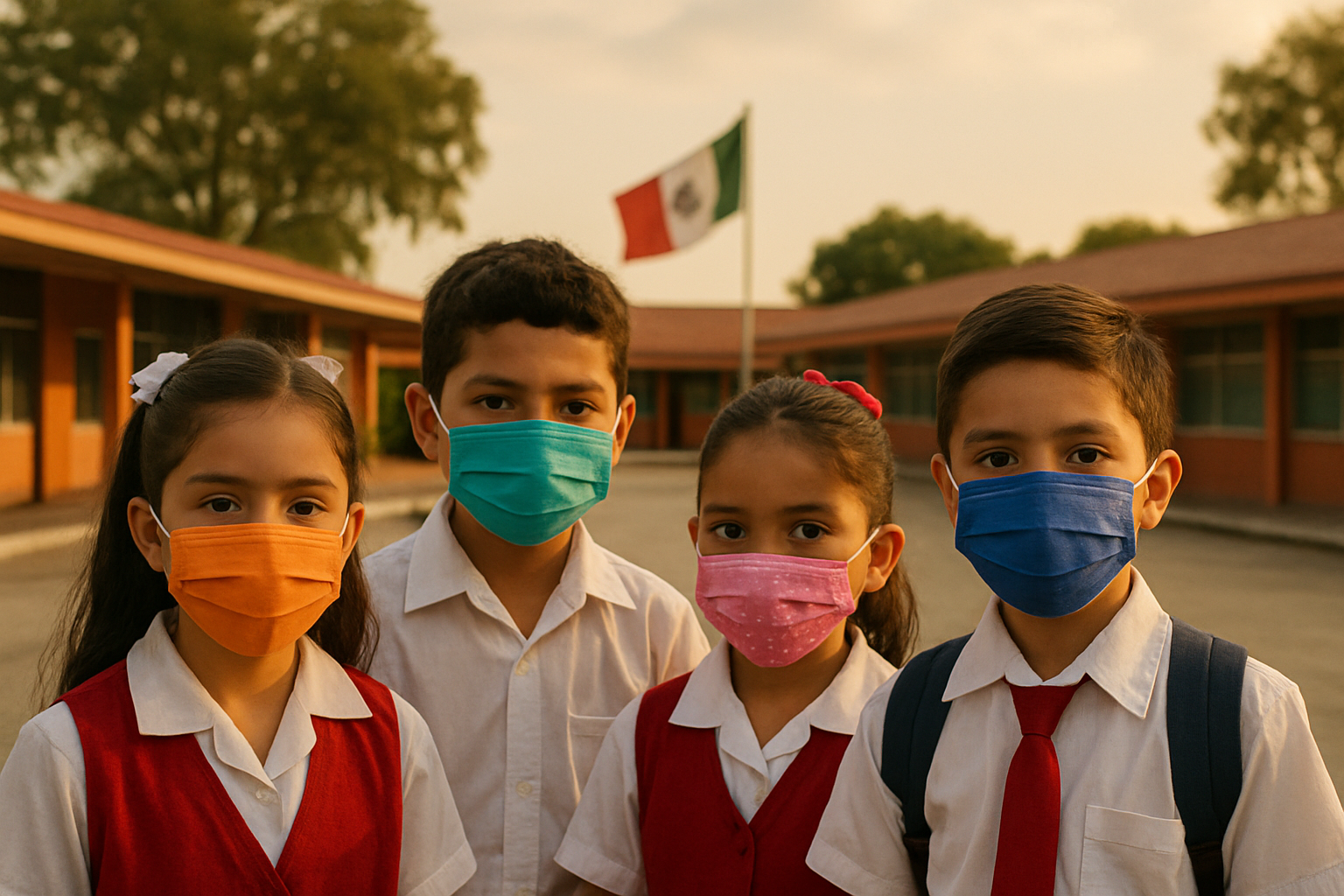
Mexico is grappling with a severe measles outbreak that has reached 8,459 confirmed cases as of February 5, 2026, according to the Secretary of Health, representing a dramatic surge that has prompted emergency health measures including mandatory school masks in Jalisco state just four months before the FIFA World Cup.
The crisis has forced Jalisco state authorities to issue a comprehensive health alert and implement mandatory face mask policies in all schools as the measles outbreak hits Guadalajara, the state capital and a key host city for the upcoming 2026 FIFA World Cup. The measures come amid growing international concern over what has become the most significant measles outbreak in the Americas this year.
Explosive Growth in Infection Rates
The scale of Mexico's measles crisis has intensified dramatically, with the country recording 8,459 confirmed cases by February 5, 2026 – a substantial increase from the 6,432 cases that closed out 2025. This represents more than a 31% surge in just over a month, indicating rapid community transmission across multiple states.
The Pan American Health Organization (PAHO) issued an epidemiological alert earlier this week highlighting Mexico as leading the entire Americas region with these infection numbers, accompanied by more than 5,200 suspected cases still under investigation. Mexico City alone has reported 158 confirmed cases as of February 4, demonstrating how the outbreak has reached the nation's capital and most populous urban center.
Health authorities have confirmed that the virus can remain airborne for extended periods, increasing transmission risks in enclosed spaces such as schools and public venues – a particular concern given Mexico's role as a FIFA World Cup host nation expecting millions of international visitors.
FIFA World Cup Complications
The timing of this outbreak poses unprecedented challenges for Mexico's World Cup preparations. Jalisco state, home to Guadalajara's Estadio Akron, is scheduled to host multiple matches during the tournament, raising concerns about public health safety for international teams, officials, and the hundreds of thousands of expected visitors.
The mandatory mask mandates in schools across Jalisco represent the most visible sign of authorities' concern about controlling transmission before the global sporting event. These measures echo pandemic-era protocols and signal the seriousness with which Mexican health officials are treating the outbreak.
"Jalisco state is issuing a health alert and mandating the use of face masks in schools amid a measles outbreak in the state capital ahead of serving as a host city for upcoming 2026 FIFA World Cup."
— Official health alert statement
National Vaccination Response
Mexican health authorities have announced a significant reinforcement of vaccination campaigns against measles across multiple points throughout the country. The response comes as health officials work to contain what represents a 40-fold increase in measles cases compared to the previous year, according to PAHO data.
The vaccination drive faces the challenge of reaching populations with historically lower immunization rates, as PAHO attributes 78% of measles cases across the Americas to inadequate vaccination coverage. Factors contributing to the outbreak include declining vaccination rates, vaccine hesitancy, pandemic-disrupted health services, and increased travel and mobility.
Mexico City health authorities have mobilized their vaccine stockpiles, though specific numbers of available doses have not been disclosed. The capital's 158 confirmed cases represent a microcosm of the broader national challenge, requiring targeted intervention in Mexico's most densely populated metropolitan area.
Regional and International Context
Mexico's measles crisis is part of a broader regional health emergency that threatens the Americas' measles elimination status achieved in 2016. Guatemala has emerged as Central America's epicenter with over 100 confirmed cases, while other nations across the hemisphere are implementing enhanced surveillance and border monitoring measures.
The outbreak occurs against the backdrop of a global health funding crisis, with the World Health Organization facing severe budget constraints that limit international support capacity. This has placed additional pressure on national health systems to manage the crisis independently while maintaining coordination with international health partners.
Australia has also reported community transmission in Adelaide, demonstrating that the measles resurgence extends beyond the Americas and represents a global public health challenge requiring sustained international cooperation.
Economic and Social Implications
The measles outbreak carries significant economic implications for Mexico, particularly given its reliance on tourism revenue and the upcoming World Cup economic benefits. Tourism-dependent regions now face the dual challenge of maintaining visitor confidence while implementing necessary public health measures.
Educational disruptions have become apparent with the school mask mandates, affecting learning environments and requiring schools to adapt their protocols. The measure represents a return to pandemic-era restrictions that many communities had hoped to leave behind permanently.
The healthcare system faces increased pressure as hospitals and clinics manage measles cases while maintaining other essential services. The highly contagious nature of measles – with each infected person potentially transmitting the disease to 12-18 others in unvaccinated populations – amplifies the strain on medical resources.
Public Health Response Strategy
Mexican health authorities have activated enhanced surveillance systems to track the outbreak's progression and identify new transmission clusters. The response strategy emphasizes rapid case identification, contact tracing, and targeted vaccination campaigns in affected areas.
The government's approach recognizes that measles poses severe complications, particularly for children under 5 years old, adults over 20, pregnant women, and immunocompromised individuals. This vulnerability profile requires specialized medical attention and resource allocation to prevent serious outcomes and deaths.
PAHO has emphasized that achieving 95% vaccination coverage is essential for herd immunity, setting a clear target for Mexico's immunization campaigns. This threshold represents a significant challenge given current coverage gaps and the need for sustained community engagement to overcome vaccine hesitancy.
Looking Ahead: World Cup Preparations
As Mexico approaches the FIFA World Cup in June 2026, health authorities face the complex task of containing the measles outbreak while preparing to safely host one of the world's largest sporting events. The success of current containment measures will be crucial for ensuring that international visitors and athletes can participate safely in tournament activities.
The school mask mandates in Jalisco represent an early test of Mexico's ability to balance public health requirements with normal social and economic activities. The effectiveness of these measures may influence whether additional restrictions become necessary as the World Cup approaches.
The outbreak serves as a critical reminder of the importance of maintaining high vaccination rates and robust public health infrastructure, particularly for nations hosting major international events. Mexico's response in the coming months will likely influence global health security protocols for future large-scale gatherings and sporting competitions.