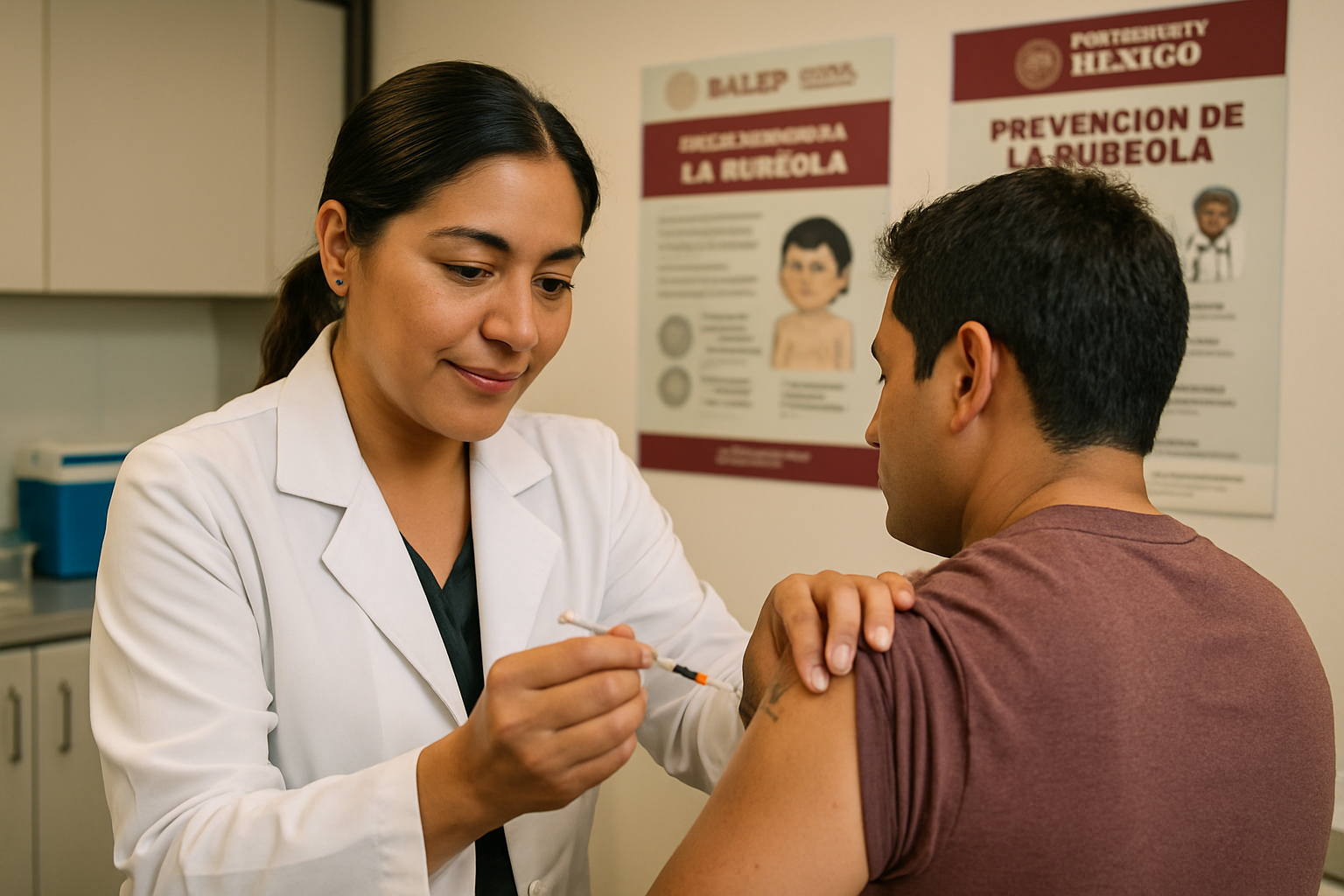
Mexico's health authorities are escalating their response to a measles outbreak that has reached alarming proportions, with Puebla state confirming 45 cases in just 24 hours as Mexico City launches comprehensive vaccination modules to protect its population.
The latest figures from the Secretaría de Salud de Puebla reveal a concerning acceleration in cases, with Saturday's count showing an increase from the 44 cases reported on Thursday. The outbreak has disproportionately affected adults aged 25-44, with women accounting for 27 of the 45 confirmed cases compared to 18 men.
As of Saturday, February 7, 2026, Puebla authorities are monitoring 174 probable cases, with 65 already ruled out following clinical and epidemiological analysis. The rapid spread has prompted health officials to trace transmission patterns linked to population mobility, constant use of public transportation, and work activities outside the home.
Mexico City Responds with Vaccination Infrastructure
In response to the growing crisis, the Mexico City Health Secretariat has issued urgent calls for the population to vaccinate against measles to prevent outbreaks and protect collective health. The capital has established multiple vaccination modules across strategic locations to ensure maximum accessibility for residents.
The vaccination campaign represents a critical component of Mexico's broader response to what has become one of the most significant measles outbreaks in recent memory. The initiative underscores the government's recognition that vaccination remains the most effective tool for preventing the spread of this highly contagious disease.
National Context of a Growing Crisis
The current outbreak builds on alarming statistics that have placed Mexico at the center of a regional health emergency. According to previous reports, Mexico has experienced a dramatic surge in measles cases, with numbers jumping from 6,432 at the end of 2025 to over 8,459 confirmed cases by early February 2026 - representing a 31% increase in just over a month.
"The behavior of the outbreak is associated with population mobility, constant use of public transportation, and work activities outside the home."
— Puebla State Health Secretariat
The Pan American Health Organization (PAHO) has confirmed that Mexico leads the Americas with the highest number of measles cases, with over 5,200 additional suspected cases under investigation. This represents a 40-fold increase from the previous year, with PAHO attributing 78% of cases to inadequate vaccination coverage.
Geographic Impact and High-Risk Areas
The outbreak has particularly affected urban centers and transportation hubs. Guadalajara, a key FIFA World Cup 2026 host city, has been significantly impacted, leading Jalisco state to issue health alerts and mandate face masks in all schools. Mexico City has reported 158 confirmed cases, highlighting the virus's capacity to spread rapidly in densely populated areas.
Health authorities have reinforced that measles remains airborne for extended periods, significantly increasing transmission risk in crowded spaces such as public transportation, schools, and workplace environments. This characteristic has made population mobility a critical factor in the outbreak's expansion.
Vaccination Campaign Strategy
The national vaccination reinforcement campaign represents a comprehensive approach to achieving the 95% vaccination coverage target necessary for herd immunity. Health officials emphasize that robust vaccination programs are essential not only for individual protection but for safeguarding community health, particularly protecting vulnerable populations who cannot be vaccinated due to medical conditions.

The Mexico City vaccination modules are strategically positioned to maximize access for residents across all socioeconomic levels. The initiative includes comprehensive public education campaigns to address vaccine hesitancy and misinformation that may contribute to low vaccination rates.
Challenges and Systemic Issues
The outbreak has exposed several systemic challenges within Mexico's healthcare infrastructure. Declining vaccination coverage, pandemic-disrupted health services, increased travel and mobility, and persistent vaccine hesitancy have created conditions conducive to disease spread.
Educational disruptions from school mask mandates, potential tourism economic implications, and healthcare system strain have added complexity to the public health response. The timing is particularly concerning given that Mexico will host multiple FIFA World Cup 2026 matches, raising concerns about international visitor safety and global health security.
International and Economic Implications
The outbreak occurs just four months before the FIFA World Cup 2026, raising significant concerns for international visitors, teams, and officials. The situation threatens not only public health but also Mexico's tourism industry and international reputation as a safe destination for major sporting events.
Healthcare authorities have activated enhanced surveillance protocols to monitor and contain the outbreak's spread. The challenge lies in balancing public health measures with normal economic and social activities, including World Cup preparations.
Public Health Response and Prevention Measures
Mexican health authorities have implemented a multi-layered response strategy focusing on vaccination, surveillance, and public education. The approach emphasizes rapid case identification, contact tracing, and isolation protocols to prevent further transmission.
The vaccination campaign targets not only children but also adults who may have missed vaccinations or whose immunity has waned over time. Health officials stress that measles affects all age groups and that adult vaccination is crucial for community protection.
"Vaccination against measles is essential to prevent outbreaks and protect collective health. We urge all residents to take advantage of the vaccination modules established throughout the city."
— Mexico City Health Secretariat
Regional and Global Context
Mexico's outbreak is part of a broader regional emergency that threatens the Americas' measles elimination status achieved in 2016. Guatemala has emerged as a Central American epicenter with over 100 cases, while other countries in the region are reporting sporadic cases.
The World Health Organization faces funding limitations that constrain international support capabilities, making national and regional responses even more critical. The outbreak demonstrates how quickly vaccine-preventable diseases can resurge when vaccination coverage drops below critical thresholds.
Looking Forward: Prevention and Preparedness
The current crisis underscores the importance of maintaining high vaccination coverage as a cornerstone of public health security. Mexican authorities are working to strengthen surveillance systems, improve vaccination access, and address the social and economic factors that contribute to disease spread.
Success in controlling this outbreak will depend on sustained political commitment, adequate resource allocation, community engagement, and international cooperation. The situation serves as a reminder that infectious disease control requires constant vigilance and investment in public health infrastructure.
As Mexico continues to battle this outbreak, the lessons learned will be crucial for preventing future health emergencies and maintaining the country's position as a leader in regional health security. The vaccination campaign in Mexico City and statewide efforts represent critical steps toward containing the spread and protecting public health ahead of major international events.