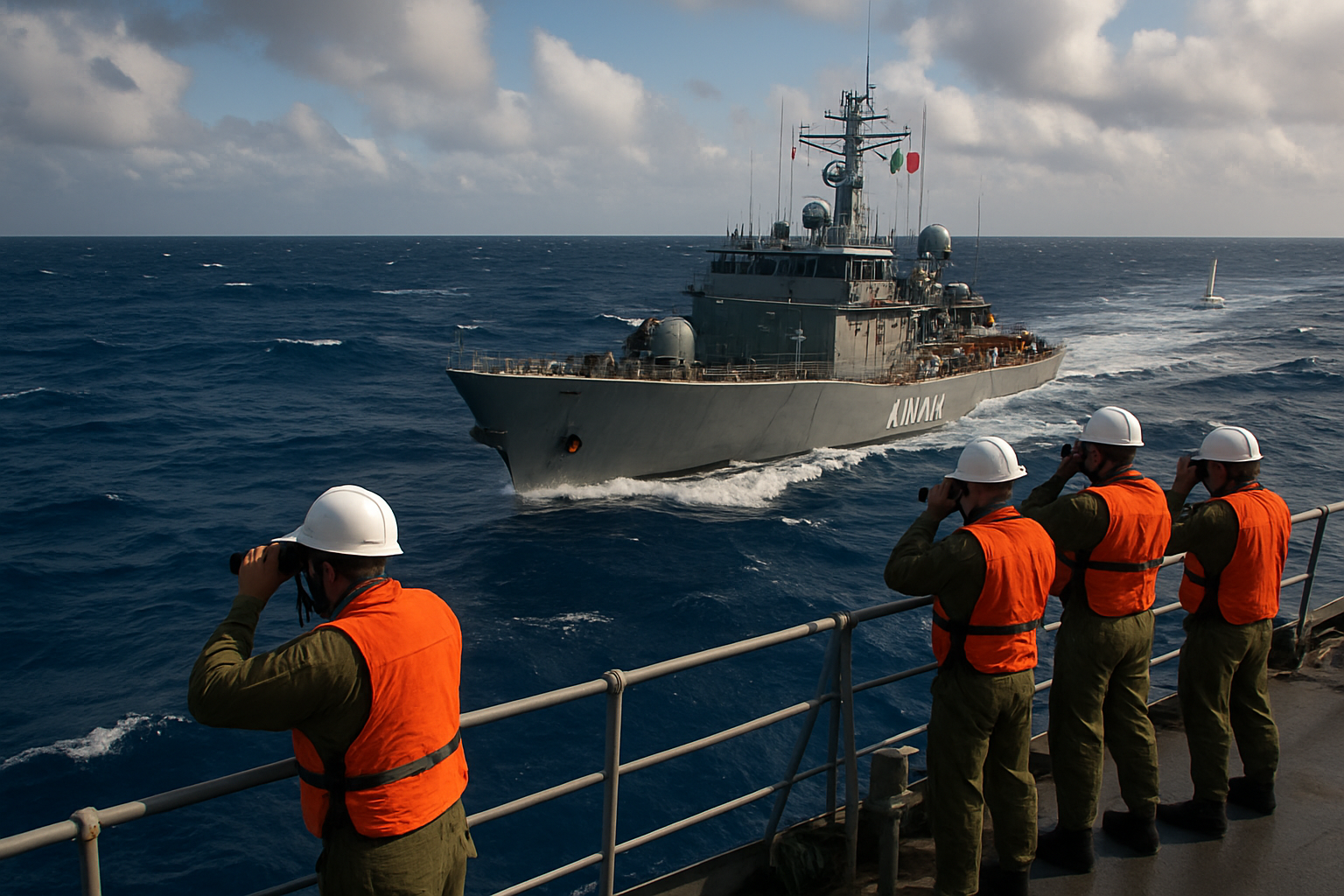
The Mexican Navy successfully located two missing sailboats carrying humanitarian aid to Cuba after the vessels disappeared with nine crew members of various nationalities aboard, highlighting the precarious conditions surrounding international relief efforts to the crisis-stricken Caribbean island.
According to reports from multiple international sources, the boats departed from Mexico's Quintana Roo state approximately one week ago, bound for Cuba's capital Havana. The vessels were part of broader international humanitarian efforts to deliver essential supplies to Cuba, which has been experiencing its worst economic crisis since the 1990s Special Period.
International Rescue Coordination
The search operation involved extensive coordination between Mexican naval forces and international maritime authorities. The missing vessels carried nine crew members representing various nationalities, underscoring the international character of humanitarian missions attempting to reach Cuba despite challenging circumstances.
Finnish and Japanese sources confirmed that the boats were eventually located and that the crew members were found safe, though specific details about their condition and the circumstances that led to their temporary disappearance remain limited. The successful rescue operation demonstrates both the capabilities and limitations of current maritime emergency response frameworks in the Caribbean region.
Context of Cuba's Humanitarian Crisis
The maritime incident occurs against the backdrop of Cuba's unprecedented economic emergency, which has exceeded the severity of the 1990s Special Period through what international observers characterize as systematic infrastructure collapse. The island nation has experienced multiple nationwide blackouts, with 51% of the population facing scheduled power cuts and critical oil reserves down to just 15-20 days supply.
Cuba's aviation sector has faced complete isolation periods, forcing the evacuation of over 25,000 foreign tourists, including 21,000 Canadians and 4,000 Russians. Major airlines including Air Canada, WestJet, and Russian carriers have suspended operations due to fuel shortages at Cuban airports.
The economic crisis has reached such severity that the Cuban peso has collapsed to historic lows of 500 units per US dollar, while the tourism industry has suffered devastating losses with major hotel chains including Meliá, Iberostar, and Blue Diamond closing facilities across the island.
International Aid Efforts Under Pressure
The missing boats were part of increasing international efforts to provide humanitarian assistance to Cuba, despite complex political and logistical challenges. Mexico has emerged as a key provider of humanitarian aid, delivering over 814 tons of supplies via naval vessels while carefully avoiding actions that might trigger broader economic retaliation.
"The international community faces an unprecedented test of how to respond to economic coercion affecting entire civilian populations," observed maritime security experts.
— Regional Analysis Report
Russia has pledged oil aid as humanitarian assistance, while China has demanded the cessation of international pressure on Cuba. Jeremy Corbyn has announced plans for an international flotilla to challenge what European media has characterized as a "deliberately engineered humanitarian emergency."
Maritime Security Challenges
The incident highlights growing maritime security challenges in the Caribbean region, where civilian shipping and humanitarian missions face increased risks from deteriorating conditions. The Caribbean has seen heightened militarization through various security operations, creating a complex environment for civilian maritime activities.
Recent maritime incidents in the region include confrontations between Cuban coast guard forces and civilian vessels, resulting in casualties and raising questions about proportional response protocols in territorial waters. These developments have contributed to anxiety among fishing communities and civilian maritime operators throughout the Caribbean basin.
Regional Implications
The successful rescue operation demonstrates the importance of international maritime cooperation during humanitarian crises. However, it also underscores the dangerous conditions facing aid missions to Cuba, where basic infrastructure has suffered systematic collapse.
Healthcare systems across Cuba have been compromised, with hospitals suspending non-emergency surgeries, medical evacuation capacity eliminated, and power outages threatening critical equipment and medicine storage. Eastern provinces have been particularly affected, with 3.4 million people impacted by electrical substation failures.
Broader Caribbean Context
The maritime rescue occurs within a broader pattern of regional instability affecting Caribbean nations. Recent diplomatic developments have seen some Latin American countries reassessing their relationships with Cuba, while others maintain humanitarian assistance despite international pressure.
The crisis has tested the limits of regional solidarity versus external economic influence, with Caribbean Community (CARICOM) members facing difficult choices between traditional partnerships and evolving geopolitical realities. The successful rescue operation provides a positive example of international cooperation amid these broader tensions.
Looking Forward
Maritime security experts emphasize the need for improved coordination protocols and standardized emergency response procedures across jurisdictions. The incident has accelerated discussions about adopting advanced safety technologies including enhanced satellite tracking, artificial intelligence monitoring systems, and real-time analytics for maritime emergencies.
The International Maritime Organization has called for better coordination frameworks to handle humanitarian missions in contested or crisis-affected waters. As humanitarian needs continue to grow in Cuba and other regional crisis zones, the international community faces ongoing challenges in balancing humanitarian imperatives with complex political considerations.
The successful resolution of this maritime emergency offers hope for effective international cooperation, even as broader regional challenges persist. The incident serves as a reminder that behind the geopolitical complexities lie human stories of courage, resilience, and international solidarity in the face of humanitarian crisis.