Mexico faces escalating security challenges as armed robberies against major retail chains surge across the country, while international complications threaten World Cup 2026 preparations just months before the tournament begins.
Sanborns Store Hit by Armed Assault
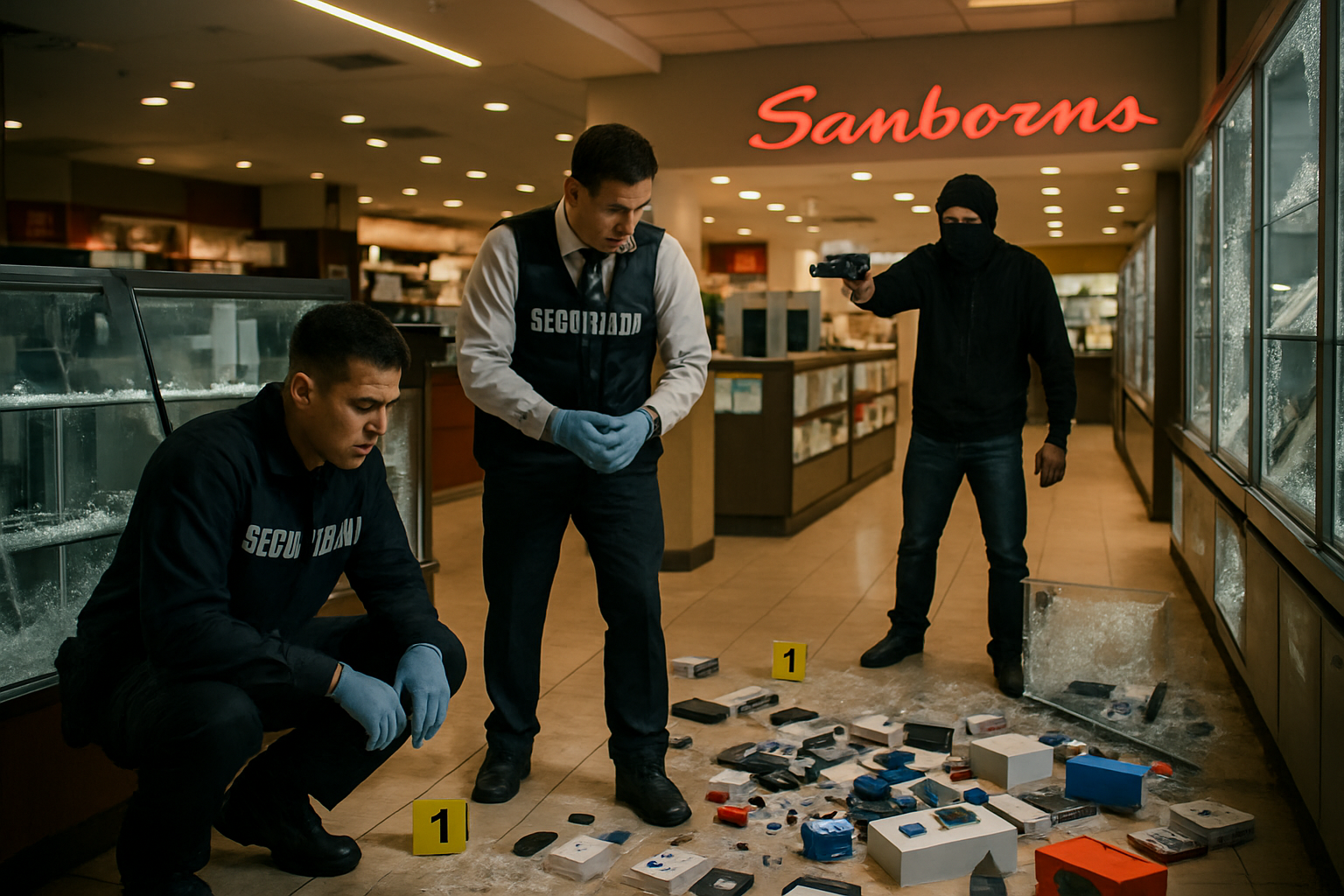
A Sanborns department store in Mexico City's Metrópoli Patriotismo became the latest target of organized criminal activity on Tuesday, March 12, when armed assailants wielding hammers smashed display cases to steal electronics and perfumes. The violent robbery occurred in broad daylight at the location between Patriotismo and Puente de la Morena avenues in the San Pedro de Los Pinos neighborhood.
According to the store manager's testimony to Mexico City's Public Security Secretariat (SSC), three armed suspects executed the robbery with precision before fleeing on two motorcycles. The brazen nature of the attack, conducted without masks and in full view of security cameras, demonstrates a concerning level of criminal confidence in operating without fear of immediate law enforcement response.
The incident represents part of a broader pattern of retail targeting that has affected Mexican businesses across multiple sectors, from luxury shopping centers to everyday commercial establishments. Criminal organizations have increasingly focused on high-value merchandise that can be quickly resold through established black market networks.
World Cup 2026 Complications Mount
These security incidents occur as Mexico prepares to co-host the FIFA World Cup 2026 alongside the United States and Canada, with significant international participation questions emerging. Iraq's national team faces uncertainty about their playoff match scheduled for Monterrey, as the Iraqi delegation struggles with travel authorization issues affecting their coaching staff.
The Iraqi team's participation in the World Cup repechage has been complicated by their coach's inability to secure proper travel documentation, creating potential forfeit scenarios that could affect the tournament's integrity. FIFA has yet to make an official announcement regarding Iran's complete withdrawal from the tournament, which would automatically advance Iraq to the main competition.
"The coach cannot leave the country due to current restrictions, which creates significant challenges for our World Cup preparations."
— Iraqi Football Federation Source
Personal Tragedy Strikes Mexican Football
Adding to the challenges facing Mexican football, the sport mourns the death of Don Raúl Jiménez Vega, father of Mexican national team striker and Fulham player Raúl Jiménez. The elder Jiménez had long dreamed of witnessing his son score at the 2026 World Cup, a goal that now carries additional emotional weight for the Mexican national team.
The Mexican Football Federation (FMF) and the national team organization expressed their condolences to the "Mexican Wolf" and his family through official channels. Jiménez Sr.'s passing represents not only a personal loss but also the broader human stories that intertwine with Mexico's World Cup preparations.
Historical Context of Mexican Security Challenges
The current wave of criminal activity occurs against the backdrop of Mexico's most significant security operations in recent years. Following the elimination of CJNG cartel leader "El Mencho" in February 2026, Mexican authorities deployed over 100,000 security personnel for World Cup preparations – the largest security operation in the country's history.
The post-El Mencho period has seen cartel organizations splinter into multiple competing factions, creating a more unpredictable security environment. While major cartel leadership has been disrupted, smaller criminal cells have adapted by targeting commercial establishments and civilian infrastructure with increased frequency.
International travel advisories issued by Canada, Australia, and other nations in early 2026 highlighted ongoing security concerns, particularly affecting tourism projections for the World Cup period. The Mexican government has maintained that these security challenges will not affect the tournament's successful execution.
Economic and Social Impact
The surge in retail crime affects Mexico's economic recovery projections, particularly in sectors dependent on consumer confidence and international investment. Major retail chains have been forced to implement enhanced security measures, increasing operational costs that are often passed on to consumers.
Tourism industry leaders have expressed concern about the potential impact of highly publicized criminal incidents on international visitor confidence. Mexico had counted on World Cup 2026 to provide a significant boost to post-pandemic economic recovery, making security perception management critical to these projections.
Local business owners in affected areas report increased insurance costs and reduced foot traffic following high-profile criminal incidents. The economic ripple effects extend beyond immediate theft losses to include broader community impacts on commercial activity and employment.
Government Response and Security Measures
Mexican federal and state authorities have responded to the increase in retail crime with enhanced patrol presence in commercial districts and improved coordination between local police and private security forces. The Mexico City government has announced additional investment in surveillance technology and rapid response capabilities for commercial areas.
The deployment of 100,000 security personnel for World Cup preparations includes specialized units trained in crowd control, VIP protection, and counter-terrorism operations. This massive security apparatus represents the most comprehensive approach to event security in Mexican history.
President Claudia Sheinbaum has maintained that security preparations remain on track for the tournament, despite acknowledging the ongoing challenges posed by criminal organizations adapting to law enforcement pressure.
International Implications
The security situation in Mexico has prompted increased cooperation with U.S. and Canadian law enforcement agencies as part of the tri-national World Cup hosting arrangement. Intelligence sharing and joint operations have intensified to ensure comprehensive security coverage across all three host countries.
FIFA has requested detailed security reports from all three host nations, with particular attention to Mexico's ability to guarantee visitor safety throughout the tournament period. The organization has maintained confidence in Mexico's hosting capabilities while acknowledging the complexity of the security challenges.
European and Asian football federations have begun conducting their own security assessments for team travel and accommodation arrangements, indicating that international confidence requires ongoing demonstration rather than simple assurance.
Looking Toward June 2026
With less than four months remaining before the World Cup begins, Mexico faces the dual challenge of maintaining public safety while projecting international confidence in its hosting capabilities. The success of security operations during this critical period will influence not only the tournament's immediate success but also Mexico's long-term reputation as a destination for major international events.
The Mexican government's ability to effectively manage both organized criminal threats and opportunistic crime will serve as a template for other nations facing similar challenges when hosting global sporting events. The World Cup represents both a significant opportunity and a crucial test of institutional capacity under pressure.
As preparation continues, the focus remains on ensuring that security measures enhance rather than detract from the celebratory atmosphere that defines successful World Cup hosting, balancing necessary precautions with the open, welcoming environment that international visitors expect.