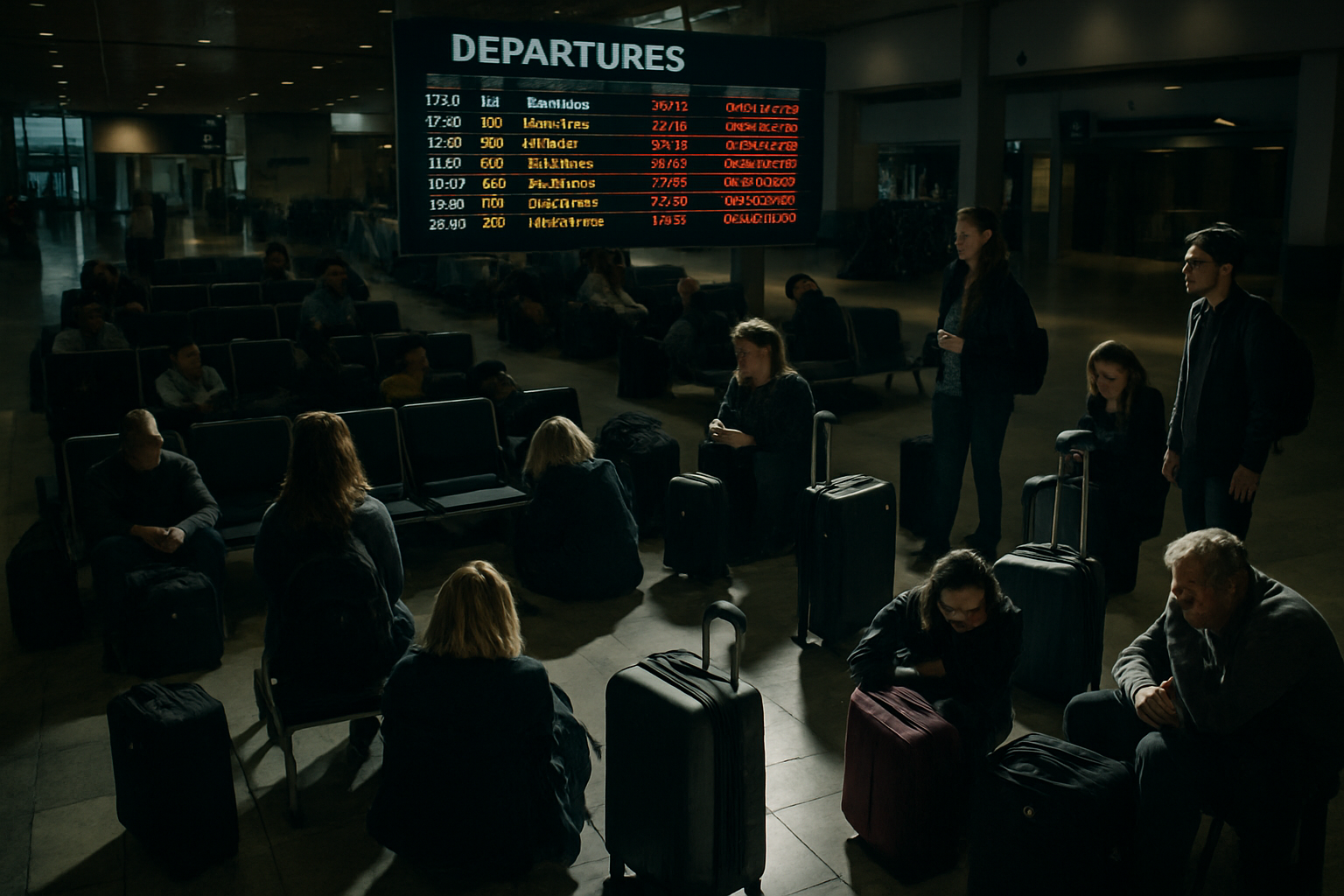
Travel chaos continues to grip the Middle East as the Iran crisis enters its fifth day, with thousands of passengers still stranded across the region and governments implementing emergency evacuation protocols for their citizens.
More than 200 Australians successfully returned to Sydney from Dubai after being stranded since the US-Israeli strikes on Iran began over the weekend, while other nations rush to arrange chartered flights and alternative routes home for their citizens.
Evacuation Operations Intensify
Foreign Affairs Minister Anita Anand confirmed that Canada is working to charter evacuation flights for Canadians to leave the United Arab Emirates within the next 72 hours. The Canadian government is coordinating with UAE authorities to use airspace for these emergency flights.
The situation has prompted several governments to issue urgent travel advisories. The Kingdom of Tonga issued a second notice urging all Tongan citizens in the Middle East to leave the region immediately, while Air Niugini has issued comprehensive travel advisories regarding Middle East regional developments.
South Korean authorities are drawing up plans to dispatch chartered aircraft to bring home South Korean nationals stranded in the region, with reports indicating that South Korean tourists in the Middle East are gradually returning home amid escalating tensions.
Aviation Industry Under Pressure
The ongoing crisis has created significant challenges for airlines operating in the region. Germany has begun its first evacuation flights, with one aircraft departing from Oman carrying German citizens. The Federal Government's repatriation operation marks the beginning of what could be an extended evacuation effort.
For travelers outside EU regulations, the situation is particularly difficult. Italian sources report that passengers flying with non-EU airlines are not entitled to the same assistance that European regulations provide for hotel accommodation and meals during flight cancellations. This has left many travelers facing significant out-of-pocket expenses.
Portuguese Citizens Voice Frustrations
A group of Portuguese citizens stranded in Qatar have expressed frustration with their government's response, complaining about the lack of "viable solutions" for leaving the region. The Portuguese nationals have criticized the government for not providing adequate evacuation options despite the deteriorating security situation.
This sentiment reflects broader concerns among stranded travelers about the adequacy of government responses to the crisis. Many passengers are reporting that they have received limited information and support from their home country consulates.
Global Impact Continues
The travel disruptions extend far beyond the Middle East region. Dubai's image as a safe haven and global transit hub has been severely damaged, with experts noting that the emirate's carefully cultivated reputation as a stable destination for business and leisure travel has suffered significant harm.
"It was scary to sleep," said one Australian passenger who was finally able to return home from Dubai.
— Stranded Australian Passenger
The crisis has exposed the vulnerability of global transportation networks to geopolitical conflicts. With Dubai International Airport - the world's busiest - remaining closed due to missile damage, airlines are being forced to implement complex alternative routing strategies that significantly increase travel times and costs.
Looking Ahead
As the situation continues to evolve, travel industry experts warn that the recovery timeline remains highly uncertain. Unlike weather-related disruptions that typically resolve within days, the current crisis depends entirely on political and military developments that could take weeks or months to stabilize.
Airlines are implementing enhanced contingency planning and route diversification strategies to reduce their dependence on Middle Eastern hubs. However, with Russian and Ukrainian airspace already closed due to ongoing conflicts, options for alternative routing remain limited and expensive.
The crisis has become a template-setting moment for how the aviation industry manages geopolitical disruptions in an increasingly volatile world. The lessons learned from this unprecedented situation will likely influence route planning, risk assessment procedures, and international cooperation frameworks for decades to come.
For the thousands of passengers still stranded across the region, the immediate priority remains finding safe passage home. As governments continue to negotiate evacuation flights and airlines work to restore normal operations, the true scale of this travel crisis continues to unfold on a global stage.