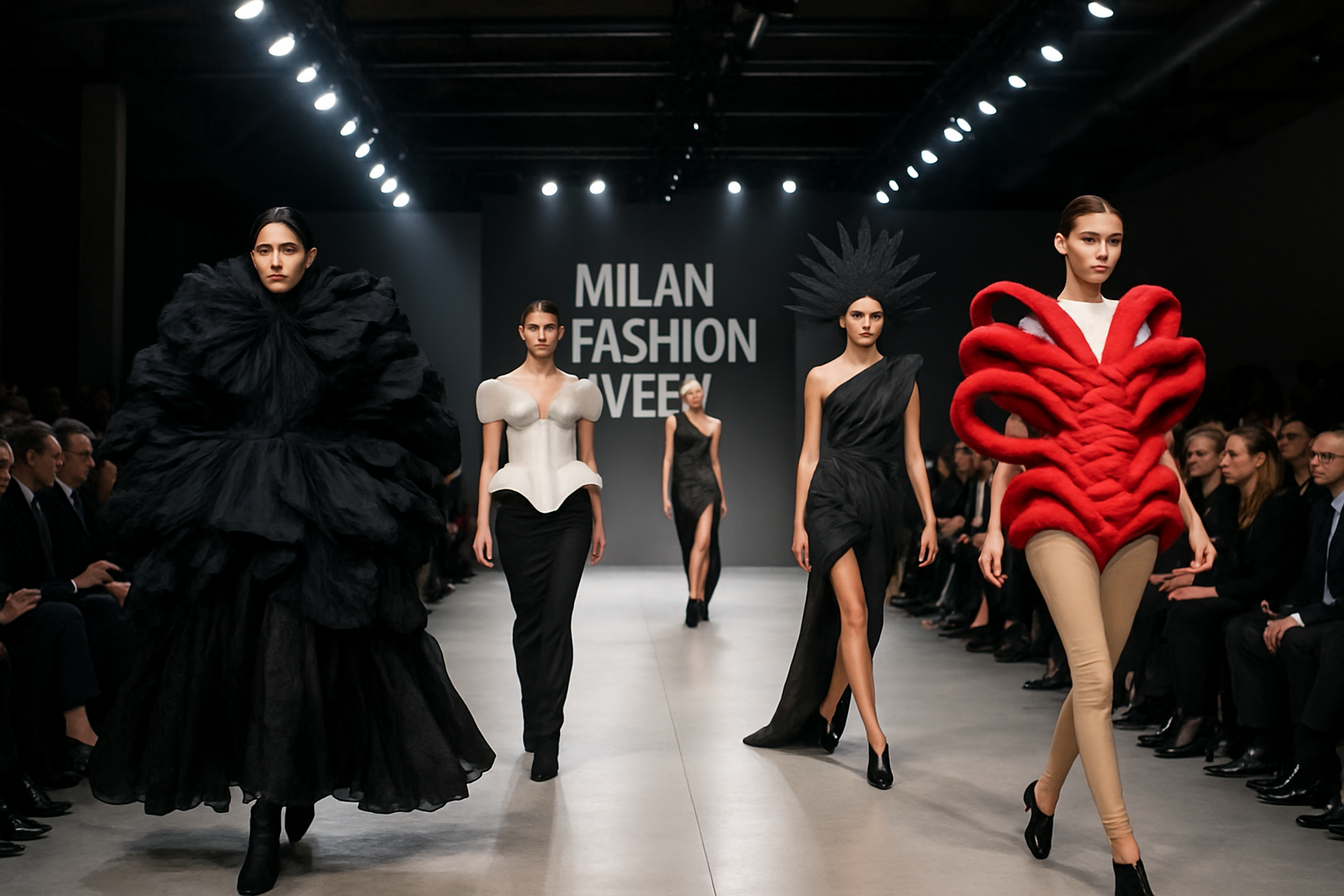
Milan Fashion Week delivered shocking moments and artistic breakthroughs as fashion houses pushed creative boundaries with controversial avant-garde presentations that divided critics and audiences alike.
The fashion capital witnessed one of its most talked-about seasons in recent memory, headlined by Maria Grazia Chiuri's highly anticipated debut as Fendi's new creative director. Rather than opting for theatrical spectacle, Chiuri chose a more philosophical approach, centering her Fall/Winter 2026 collection around a single powerful statement: "Less me, more us!"
This manifesto became both the creative foundation and methodology for Fendi's latest offering, marking a significant shift from individual-focused design toward collective consciousness in luxury fashion. The Italian fashion house's presentation represented a departure from traditional runway dramatics in favor of conceptual depth and social commentary.
Revolutionary Leadership at Fendi
Chiuri's appointment as creative director represents a pivotal moment for the Roman luxury house, bringing her distinctive vision to one of fashion's most prestigious brands. Known for her work in empowering women through fashion, her debut collection emphasized collaborative creation over singular artistic vision.
The "Less me, more us!" philosophy permeated every aspect of the presentation, from the collaborative design process to the community-focused runway staging. Models walked in formations that suggested collective movement rather than individual showcase, while the clothing itself featured elements designed through collaborative workshops with artisans from various cultural backgrounds.
Controversial Presentations Divide Industry
Beyond Fendi's philosophical approach, Milan Fashion Week generated significant controversy through several avant-garde presentations that pushed traditional boundaries. Industry reports described exhibitions featuring unconventional staging, provocative artistic elements, and presentations that challenged conventional fashion show formats.
One particularly controversial display reportedly featured models in unconventional circumstances that sparked heated debate across fashion media and social platforms. While specific details remain disputed, the presentations highlighted the ongoing tension between artistic expression and commercial viability in high fashion.
Fashion critics found themselves divided, with some praising the bold creative risks while others questioned whether the controversies overshadowed the actual clothing designs. The debate reflects broader discussions within the fashion industry about the role of shock value versus artistic integrity.
Global Fashion Landscape Context
The controversial presentations occurred within a broader context of fashion industry transformation. Recent developments have seen increased emphasis on sustainable practices, cultural sensitivity, and social responsibility - themes that contrasted sharply with some of the more provocative displays.
This season's Milan Fashion Week followed successful sustainable fashion initiatives, including mycelium leather alternatives and circular fashion models that have gained traction globally. The juxtaposition between progressive sustainability efforts and controversial artistic presentations highlighted the industry's complex evolution.
"Fashion has always been about pushing boundaries, but the question becomes whether we're pushing toward progress or merely seeking attention."
— Fashion Industry Analyst
Industry Reaction and Future Implications
The fashion establishment's response to the controversial displays varied significantly. Established fashion houses generally maintained diplomatic silence, while emerging designers and fashion schools engaged in spirited debates about artistic freedom versus commercial responsibility.
International media coverage amplified the discussions, with fashion capitals from Paris to New York weighing in on the appropriateness of the presentations. The controversy underscored Milan's position as a city willing to embrace fashion risks, even when they generate significant debate.
Fashion buyers and retailers reported mixed reactions from their clientele, with some expressing enthusiasm for bold artistic statements while others preferred more traditional luxury presentations. The varied responses suggest the industry remains divided on how far creative expression should extend in commercial fashion contexts.
Looking Forward
As Milan Fashion Week concluded, the industry continued processing the implications of both Chiuri's collaborative philosophy and the more controversial presentations. The season demonstrated fashion's ongoing struggle to balance artistic innovation with commercial viability and social responsibility.
The debates sparked by this season's presentations are likely to influence future fashion weeks across global fashion capitals. The discussions around artistic boundaries, cultural sensitivity, and commercial appropriateness will continue shaping how fashion houses approach their creative presentations.
Maria Grazia Chiuri's successful debut at Fendi may offer a template for combining creative innovation with thoughtful social messaging, while the controversial presentations serve as cautionary tales about the limits of provocation in luxury fashion.
The fashion industry's response to this season's events will likely influence creative decisions for upcoming seasons, as designers, houses, and fashion weeks navigate the complex relationship between artistic expression, commercial success, and social responsibility in an increasingly connected global marketplace.