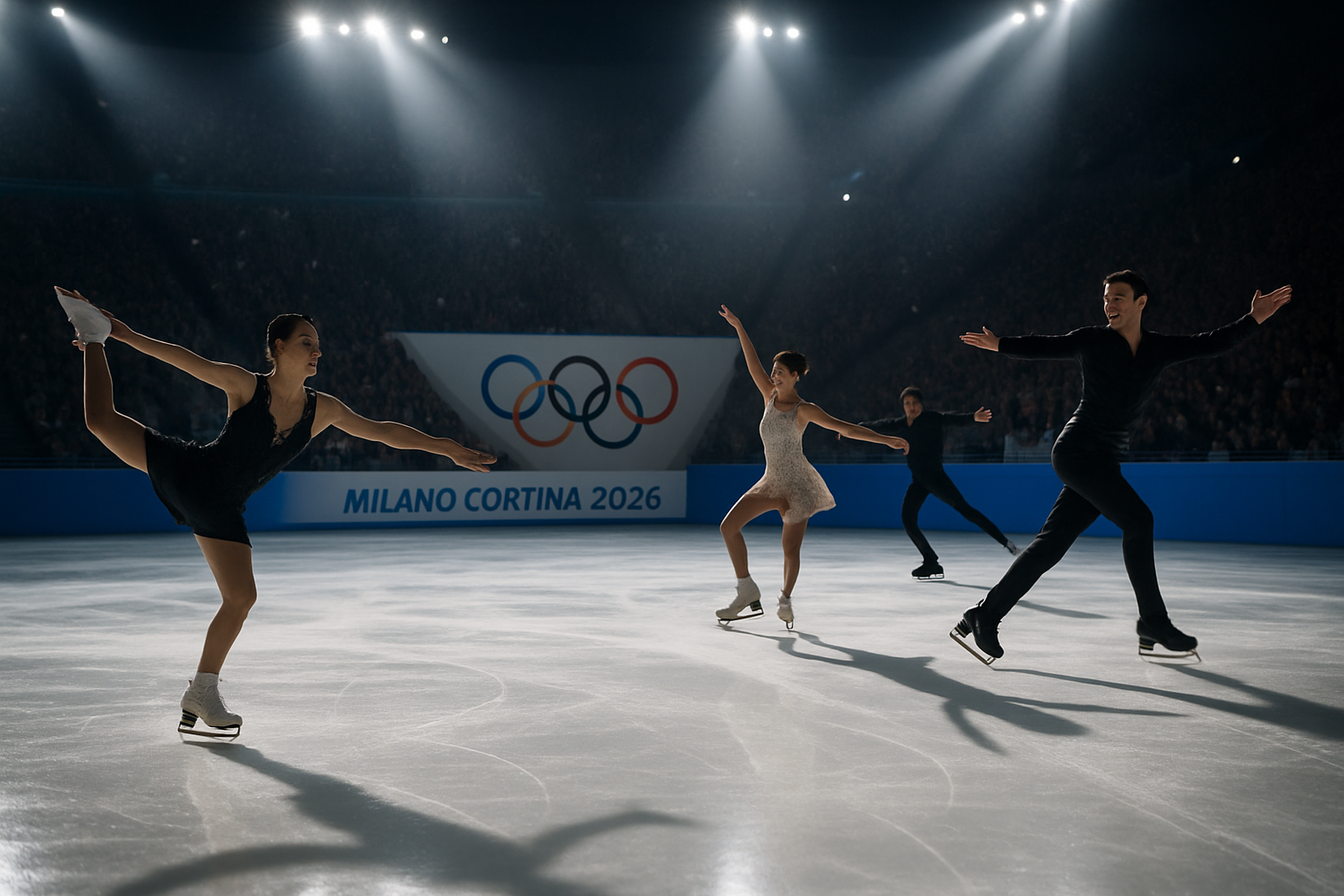
Figure skating has officially begun at the Milano Cortina 2026 Winter Olympics, marking the start of one of the Games' most anticipated competitions as athletes from around the world take to the ice in the team events and prepare for individual championships that promise to showcase the sport at its highest level.
The competition commenced with team events as skaters embraced the unique atmosphere of the Olympic villages after years of COVID-19 restrictions that limited athlete interactions at previous Games. South Korean figure skaters demonstrated their commitment to excellence by heading straight to practice sessions despite jet lag from their recent arrival in Milan, underscoring the intense preparation required for Olympic-level competition.
Italian Star Daniel Grassl Emerges as Home Hope
Among the most compelling storylines emerging from the early days of competition is the journey of Daniel Grassl, Italy's 23-year-old figure skating sensation who has captured attention both for his athletic prowess and his unique background. Having trained in Boston and Moscow before gaining popularity in Japan, Grassl now stands as Italy's primary hope for a podium finish on home ice.
The young skater's international training experience has shaped his distinctive style, which he plans to showcase through a tango performance that promises to embody both technical excellence and artistic flair. "He will enter the rink like a cardinal and emerge as Pope," Italian media has noted, highlighting the transformation Grassl hopes to achieve through his Olympic performance.
"This represents everything I've worked for - training across continents, developing my craft in different environments, all leading to this moment on home ice."
— Daniel Grassl, Italian Figure Skater
International Competition Heats Up
The figure skating events represent a significant component of the Milano Cortina 2026 Games, occurring within the broader context of what organizers acknowledge have been challenging preparations. The competition takes place across the most geographically dispersed Winter Olympics in history, spanning seven venues from Milan to Cortina d'Ampezzo.
South Korean athletes, known for their systematic approach to international competition, arrived ready to begin training immediately despite the long journey to Italy. Their dedication reflects the high stakes surrounding figure skating medals, which traditionally serve as marquee events for Winter Olympic television broadcasts and global audience engagement.
The team events, which serve as the opening phase of figure skating competition, allow countries to showcase their depth across all disciplines - men's and women's singles, pairs, and ice dance. This format has proven popular since its introduction, providing early medal opportunities while building momentum toward the individual events that typically capture the most attention.
Olympic Village Atmosphere Returns
A notable aspect of these Games has been the return to a more traditional Olympic village atmosphere, with figure skaters among those benefiting from increased social interaction compared to the restricted environment of recent Olympics. This renewed camaraderie has been particularly welcomed by athletes who have spent years training in relative isolation.
The village experience represents more than just accommodation - it embodies the Olympic spirit of international friendship and competition that makes the Games unique among sporting events. For figure skaters, whose sport demands both individual excellence and artistic expression, the environment provides crucial psychological preparation for performances that will be watched by millions worldwide.
Technical and Artistic Evolution
The Milano Cortina 2026 figure skating competition arrives at a fascinating moment in the sport's evolution. Recent years have seen dramatic changes in technical requirements, scoring systems, and artistic interpretation, making these Olympics a showcase for how the sport continues to develop.
The international field assembled in Italy represents perhaps the deepest talent pool in recent Olympic history, with multiple countries fielding legitimate medal contenders across all disciplines. This competitive depth ensures that every routine must meet the highest technical and artistic standards to reach the podium.
Training facilities at the venues have been prepared to NHL-quality standards by experienced ice makers, ensuring optimal conditions for the intricate jumps, spins, and footwork that define modern figure skating. The technical demands of current programs require perfect ice conditions, making facility preparation a crucial element often overlooked by casual observers.
Cultural Significance and Global Impact
Figure skating's unique position as both sport and art form makes it particularly significant for host countries seeking to showcase cultural values and aesthetic traditions. Italy's rich artistic heritage provides a compelling backdrop for competitions that blend athletic achievement with creative expression.
The sport's global reach ensures that Milano Cortina 2026 figure skating events will be broadcast to audiences across continents, making these competitions among the most-watched Olympic events. This visibility translates into significant cultural and economic impact for host regions, extending far beyond the immediate sporting results.
Television ratings for figure skating consistently rank among the highest for Winter Olympic sports, particularly in key markets across Asia, Europe, and North America. This global audience makes figure skating performances crucial elements in the overall success of any Winter Olympics.
Looking Ahead to Individual Events
While team events provide the opening excitement, the individual championships remain the ultimate prizes in Olympic figure skating. These competitions will determine not only medal winners but also likely influence the sport's development for the next Olympic cycle.
Athletes like Grassl represent a new generation that has emerged during a particularly challenging period for international sport, having navigated pandemic restrictions, geopolitical tensions, and evolving competitive standards. Their performances in Milano Cortina will serve as statements about both individual excellence and the resilience of Olympic sport itself.
The figure skating competition at Milano Cortina 2026 promises to deliver the combination of athletic achievement and artistic beauty that has made the sport an Olympic centerpiece for decades. As competition continues over the coming days, the ice will serve as a stage for performances that athletes have spent years perfecting, with Olympic gold as the ultimate reward for those who can combine technical mastery with the artistic expression that defines figure skating at its highest level.